
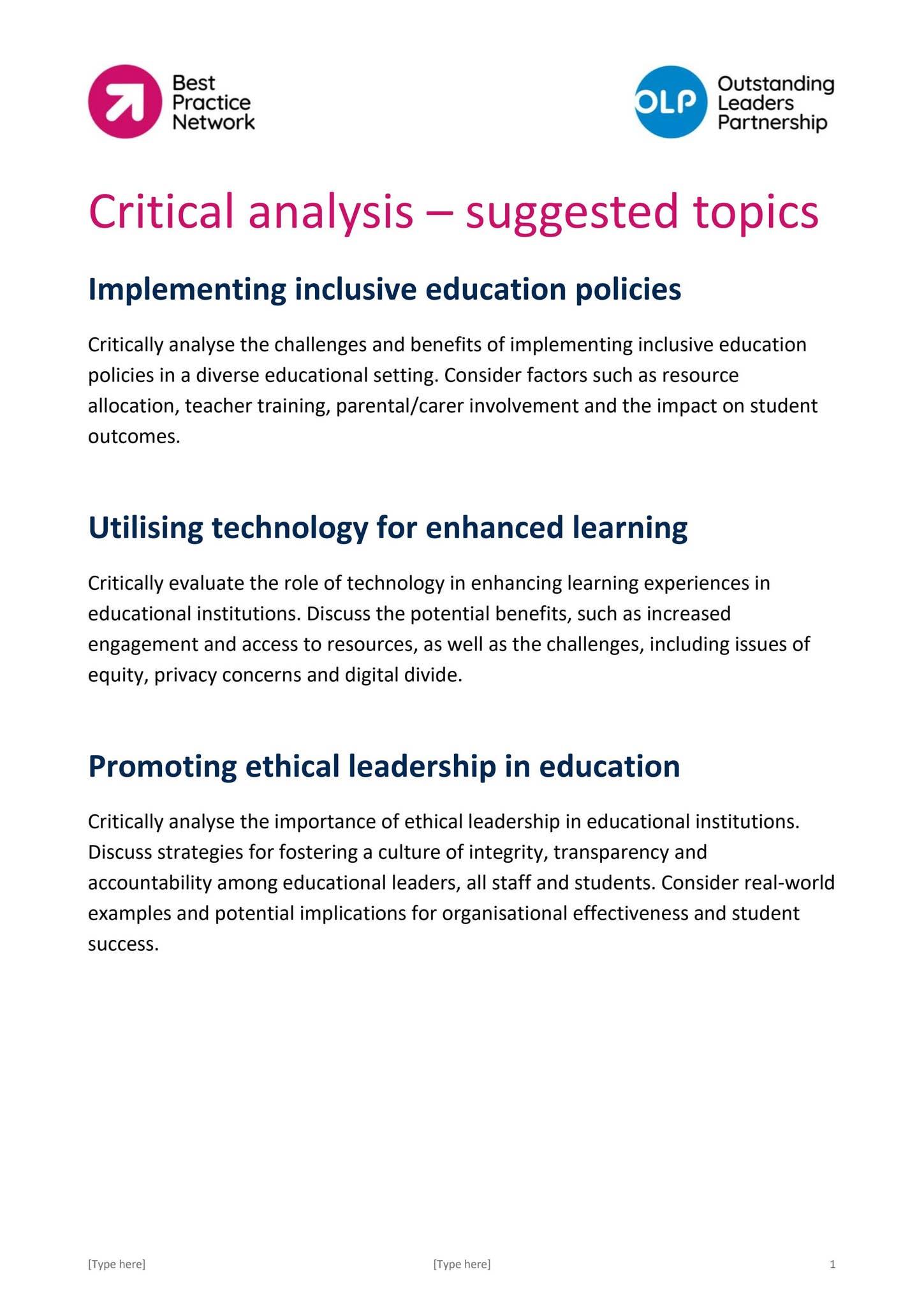
Essential Policy Frameworks Supporting Inclusive Education: Key Strategies for Equitable Learning
Inclusive education is more than a teaching approach—it’s a transformative movement aimed at fostering equitable learning opportunities for every student, regardless of their backgrounds, abilities, or circumstances. As schools and educational systems worldwide strive to bridge achievement gaps and embrace diversity, the importance of effective policy frameworks supporting inclusive education cannot be overstated. In this extensive guide, we’ll explore the basic policy structures, strategic approaches, and practical tips necessary to achieve inclusive and equitable learning environments.
Introduction: The Imperative for Inclusive Education
Education is a global right, yet barriers persist for many learners due to disability, culture, socioeconomic factors, or language. Inclusive education seeks to remove these barriers by ensuring all students learn together and thrive within mainstream schools. To realize this vision, well-crafted policy frameworks and legislative action are essential, guiding schools and educators to adopt inclusive practices and foster acceptance and support at all levels.
What is Inclusive Education?
Inclusive education is an educational approach where all learners, regardless of physical, intellectual, social, emotional, or linguistic differences, have access to a high-quality learning experience in mainstream classrooms. This philosophy values diversity, respects individual needs, and promotes full participation in school communities.
- Equity: Ensuring fair access to education for every child.
- diversity: Embracing students from all backgrounds and ability levels.
- Participation: Facilitating active engagement and belonging in learning and social activities.
The Role of Policy Frameworks in Inclusive Education
Effective policy frameworks serve as the backbone of inclusive education systems. These frameworks provide vision, direction, and accountability for implementing strategies that promote equitable access and participation. Governments, ministries, and education authorities around the world are increasingly formalizing inclusive education through policies, laws, and guidelines.
Key Elements of inclusive education Policy Frameworks
- Legal Commitment: Laws mandating the right to education for all students,including those with disabilities or special needs.
- Resource Allocation: Provision of funding, staff, and infrastructure to support inclusive practices.
- Teacher Training: Continuous professional development focusing on inclusive pedagogy and diverse learning needs.
- Curriculum Adaptation: Flexible curricula accommodating varying learning styles and abilities.
- Community and Stakeholder Involvement: Collaboration between educators, families, and support services.
- Monitoring and Evaluation: Mechanisms for assessing progress and ensuring accountability.
International Policy Benchmarks for Inclusive Education
Several international directives serve as benchmarks for national policy frameworks supporting inclusive education:
- UN Convention on the Rights of Persons with Disabilities (CRPD): Mandates equal participation in education for persons with disabilities, pushing governments towards inclusive schools.
- UNESCO Salamanca Statement (1994): endorses inclusive education as the most effective approach for addressing diversity in education.
- Lasting Development Goal 4 (SDG 4): Aims to “ensure inclusive and equitable quality education and promote lifelong learning opportunities for all.”
Key Strategies for equitable Learning in Inclusive Education
Let’s explore the principal strategies embedded within effective policy frameworks to ensure equitable learning:
1. Universal Design for Learning (UDL)
- UDL ensures curricula are created to be accessible to all from the outset, offering multiple means of depiction, expression, and engagement.
- Policies encourage schools to adapt UDL principles,benefiting all learners,not just those with special needs.
2. Personalized Support Services
- Provision of Individualized Education Programs (IEPs) and tailored interventions based on student assessments.
- Access to therapists,counselors,and specialized staff is mandated in many policy frameworks.
3.Anti-Discrimination and Accessibility Measures
- Legally prohibiting discrimination based on disability, gender, ethnicity, or socio-economic status.
- Ensuring school facilities, learning materials, and digital content are fully accessible.
4. Inclusive Leadership and Teacher Empowerment
- teachers receive ongoing training in differentiation, cultural responsiveness, and inclusive classroom management.
- Leadership teams foster a whole-school commitment to inclusion through policies and school culture.
5. Family and Community Engagement
- Case management approaches involving families in educational planning and decision-making.
- Community partnerships extend support networks for learners facing challenges.
Benefits of Policy-Driven Inclusive Education
Policies championing inclusive education deliver a range of benefits for individuals and society:
- Enhanced Academic Outcomes: Studies reveal that inclusive classrooms improve academic achievement for all students.
- Social Development: Inclusive environments build empathy, collaboration skills, and reduce stigma.
- Economic Advantages: Education systems that capitalize on the talents of every learner foster innovation and workforce inclusivity.
- Upholding Human Rights: Realizes international legal commitments and ethical imperatives for equality and dignity.
Practical Tips for Implementing Inclusive Education Strategies
Whether you are a policy maker, school leader, teacher, or family member, here are actionable steps for supporting inclusive education:
- Adopt Flexible Teaching methods: Use differentiated instruction and assessment to meet individual learning needs.
- Promote Peer Interaction: Foster buddy systems and collaborative projects to build inclusive peer relationships.
- Invest in Professional Development: Prioritize training on inclusive strategies, mental health, and cultural sensitivity.
- Leverage Assistive technology: Introduce digital tools to support learners with accessibility needs.
- Monitor Progress: Use data-driven insights to evaluate policy impact and adjust strategies when necessary.
Case Studies: triumphant Inclusive Policy Frameworks in action
Examining real-world submission highlights how effective frameworks transform learning ecosystems:
Finland: Inclusive Education Embedded in National Legislation
- All Finnish schools adapt to diverse needs via a three-tiered support system, backed by government policy and resources.
- Strong emphasis on teacher training and collaborative planning.
Canada: Province of New brunswick’s Inclusive Education Policy (2013)
- Pioneered “One System for All,” integrating students with diverse needs into mainstream classrooms.
- Notable investment in professional development and resource allocation.
South Africa: White Paper 6 on Special Needs Education
- Outlined strategic guidelines for phased implementation of inclusive education across all provinces.
- Focus on advocacy, public awareness, and school-community links.
First-Hand Experience: Voices from Inclusive classrooms
“Having seen the positive effects of inclusive policy first-hand,I can attest to the transformation that happens when schools adapt their environments and curricula. Our students not only learn academic content—they learn to value differences, solve problems creatively, and build genuine friendships.”
— Primary School Teacher, New Brunswick
“Policy made inclusion possible for my daughter with autism. Specialized staff, adaptations, and a supportive school community turned what could have been a struggle into a journey of growth and self-confidence.”
— Parent, Helsinki, Finland
Conclusion: The Path Forward for Inclusive Education
Advancing inclusive education to ensure true equitable learning requires more than intention—it demands robust, actionable policy frameworks at every level. By drawing on international benchmarks, embracing innovative teaching strategies, ensuring accountable leadership, and committing to continuous professional development, educational communities can build lasting systems that welcome and empower all learners.
Every member of the school community—policymakers, educators, families, and students—has a role in making inclusion a lived reality. When we prioritize inclusion at every decision point, we not only advance educational outcomes but also nurture a more just, creative, and adaptable society for the future.