
Essential Visual Designer Skills for E-Learning Success: Boost Your Online Course Engagement
The demand for visual designers in education technology has soared as universities,colleges,and schools increasingly move their courses online. If you’re aspiring to secure a rewarding job as a visual designer in the e-learning sector, developing the right skills is crucial. Success in this field means not just making things look good, but ensuring that your designs actively contribute to better learning outcomes and increased engagement.In this guide, we’ll walk you through the essential visual designer skills for e-learning, explain why thay matter, and offer practical tips to help you stand out in today’s competitive job market.
Why Visual Design Matters in E-Learning
Visual design in e-learning goes beyond aesthetics — it’s a vital component of how learners interact with digital content. Effective visual design enhances comprehension, retention, and motivation, making content more accessible and enjoyable. For institutions aiming to deliver exceptional online courses, skilled visual designers are indispensable. Job seekers who master these skills will find themselves prized by universities,colleges,and schools investing in the future of online education.
Core Visual Designer Skills for E-Learning Success
Whether you’re new to education technology or seeking to sharpen your expertise,these are the core visual designer skills that can help you excel in building engaging,accessible online courses:
- Graphic design Fundamentals: Mastery of typography,color theory,layout,and visual hierarchy is the bedrock of compelling online learning experiences.
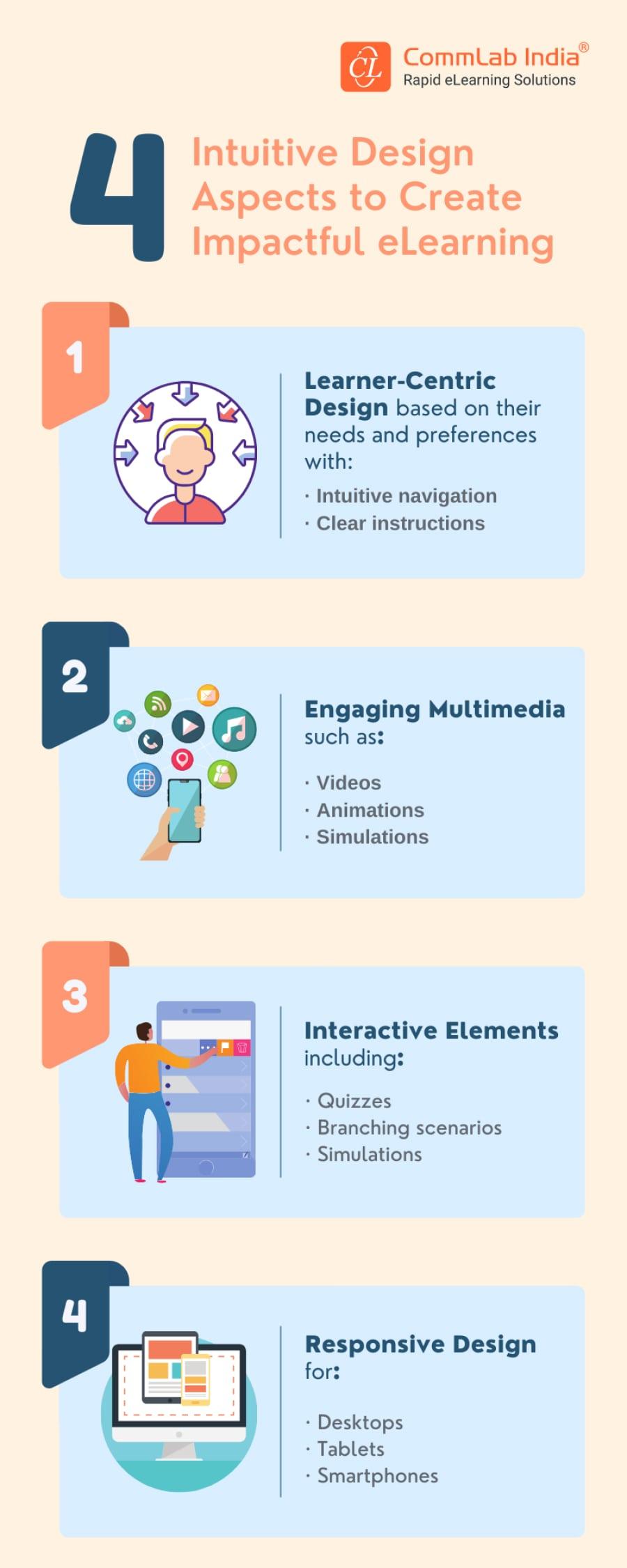
- User Interface (UI) Design: Designing intuitive interfaces ensures learners can navigate content with ease and confidence.
- User Experience (UX) design: Understanding how users interact with your designs helps you create learner-centered solutions that enhance comprehension and satisfaction.
- Instructional Design Collaboration: Partnering effectively with educators and instructional designers ensures visual consistency with educational goals.
- Accessibility and Inclusive Design: Adhering to accessibility standards (like WCAG) enables course participation by all learners, nonetheless of ability.
- Proficiency with Design Tools: Familiarity with tools such as Adobe Creative Suite, Figma, Sketch, or Canva enables efficient creation and iteration of visual content.
- Visual Storytelling: Using visuals to narrate concepts makes learning memorable and engaging for diverse audiences.
- Animation and Interactivity: Integrating animations, clickable elements, and rich media fosters active participation and deeper learning.
Key Benefits of Exceptional Visual Design in E-Learning
- Enhanced Engagement: Well-designed visuals capture and retain learners’ attention, reducing dropout rates and improving course completion.
- Improved Knowledge retention: Thoughtfully presented details helps learners better understand and remember complex topics.
- Accessibility for All: Inclusive design ensures that learning materials are usable by everyone, expanding the reach of educational programs.
- Consistent Branding: Cohesive design elements strengthen the institution’s identity and boost learner trust.
- Streamlined navigation: Clear, intuitive interfaces minimize confusion, maximizing focus on learning.
In-Demand Education Technology Visual Design Skills
E-learning environments set unique challenges for visual designers in universities, colleges, and schools. Here are some additional high-demand skills for those aiming to advance in education technology roles:
- Responsive Design: Ability to create content that adapts seamlessly across desktops, tablets, and smartphones.
- Data Visualization: Transforming complex data into easy-to-understand charts, infographics, and visual aids.
- Brand and Style Guideline Implementation: Ensuring consistency with institutional branding while remaining innovative and creative.
- Video and Multimedia Production: Creating engaging instructional videos or interactive content using tools like After Effects or Camtasia.
- Basic HTML and CSS Skills: Understanding the basics can facilitate smoother collaboration with e-learning developers and help troubleshoot issues.
Practical Tips: Boosting Your Online Course Engagement as a Visual Designer
Here are actionable tips to refine your visual design process and maximize online course engagement:
- Start with Learner Personas: understand your target audience’s needs, preferences, and challenges before crafting your design.
- Adopt a “Mobile-First” Approach: With many learners accessing content via mobile devices,designing for smaller screens first ensures accessibility for all.
- Use Consistent Visual language: Employ a unified set of colors, icons, fonts, and layouts to provide students with a familiar learning habitat.
- Leverage White Space: Avoid overcrowding by letting designs “breathe”—this improves focus and comprehension.
- Test for Usability: Gather feedback from real users and iterate on your designs, paying close attention to areas where learners struggle.
- Prioritize Readability: Opt for clear fonts,high-contrast text,and logical content flow for increased accessibility and comprehension.
- Engage with Micro-Interactions: Integrate subtle animations, hover states, and feedback cues to guide learners through the material interactively.
- Stay Informed: Regularly explore educational technology and design trends to keep your skills and portfolio up-to-date.
How to Demonstrate Visual Designer Skills in EdTech Job applications
To land your dream job in universities, colleges, or schools, it’s vital to effectively showcase your visual design skills:
- Create a Focused portfolio: Feature your best e-learning projects, especially those demonstrating interactivity, accessibility, and learner engagement.
- Highlight Collaboration: Illustrate how you’ve worked with educators or e-learning teams to achieve educational goals.
- Detail Problem-Solving: Explain challenges you encountered and how your design solutions improved outcomes.
- Quantify Impact: Where possible, share metrics on increased learner engagement or improved course completion rates related to your design work.
- Include Testimonials: Feature feedback from educators and learners to validate the effectiveness of your visual designs.
continuing Professional Advancement for Visual Designers in E-Learning
Education technology continually evolves as new tools and methodologies emerge. Visual designers should embrace lifelong learning by:
- attending e-learning design conferences and webinars.
- Participating in online courses on the latest design software and techniques.
- Engaging with education technology communities for networking and knowledge sharing.
- pursuing certifications in instructional design, accessibility, or multimedia production.
Conclusion: Equip Yourself for Success as a Visual Designer in E-Learning
For job seekers eager to make an impact in education technology, mastering these essential visual designer skills is the first step to a fulfilling career in universities, colleges, or schools. your ability to blend design expertise with a clear understanding of educational goals can transform online courses into powerful, engaging learning experiences.
By continually developing your visual design skillset—focusing on user experience,accessibility,and innovation—you can boost student engagement and unlock exciting roles across the rapidly growing e-learning landscape. Stand out by building a strong portfolio, collaborating proactively, and staying at the forefront of education technology trends.