
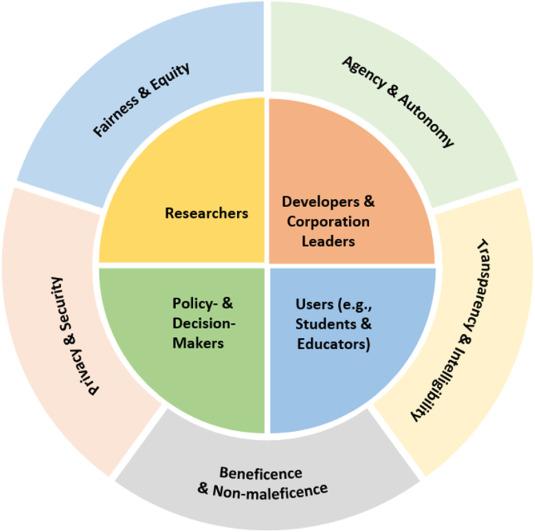
Ethical Considerations in AI-Driven Learning: addressing Risks and Ensuring Responsible Education
Introduction: The Rise of AI in Education
Artificial Intelligence (AI) is rapidly transforming the educational landscape. From adaptive learning platforms to intelligent tutoring systems and predictive analytics,AI-driven learning offers unprecedented opportunities to personalize education and enhance student outcomes. However, as these technologies permeate our classrooms and online learning environments, itS crucial to address the ethical considerations associated with AI in education. Ensuring responsible usage means tackling concerns such as privacy, bias, transparency, and equality, so that learners and educators can benefit safely and equitably.
The Benefits of AI-driven Learning
Before diving into ethical risks, it’s worth highlighting why AI-driven solutions are gaining popularity in the educational sector:
- personalized learning pathways: AI can analyze individual student performance, adapting content and pacing to their unique needs.
- Real-time feedback: Intelligent systems provide instant feedback to learners, fostering enhancement.
- Administrative efficiency: automation of grading and scheduling allows educators to focus more on teaching.
- Predictive analysis: AI can identify at-risk students and suggest interventions, boosting retention rates.
While these benefits are meaningful, it’s essential not to overlook the risks and ethical concerns inherent to AI integration in education.
Key Ethical Risks in AI-Driven Learning
The adoption of AI technologies in education introduces several potent ethical risks:
- Data Privacy & Security: AI systems rely on vast amounts of student data. Safeguarding this sensitive data against unauthorized access, breaches, and misuse is paramount.
- Bias & Discrimination: if AI algorithms are trained on biased datasets, they can perpetuate existing inequalities, unfairly affecting marginalized groups and distorting educational outcomes.
- Lack of Transparency: Many AI models, especially deep learning systems, are “black boxes”—their decision-making processes are opaque. This can erode trust and accountability among students, educators, and parents.
- Over-automation: Excessive reliance on AI may undermine the teacher-student relationship and critical human oversight in education.
- Equity & Accessibility: Not all students have equal access to technology. AI-driven solutions risk widening the digital divide if not implemented thoughtfully.
Ensuring Responsible AI in Education: Practical Tips & Strategies
Addressing these ethical challenges requires a multi-faceted approach. Here are practical tips for educators, administrators, and developers to ensure responsible AI-driven learning:
- adopt Clear Algorithms: Prioritize explainable AI systems that allow educators and stakeholders to understand how decisions are made.
- Implement Robust Data Protection: Use secure, encrypted systems, adhere to data privacy regulations (such as GDPR or FERPA), and regularly audit data flows.
- Monitor for Bias: Continuously evaluate AI models for potential biases. Use diverse, representative datasets and invite independent reviews.
- Prioritize Equity: Ensure that AI-driven learning platforms are accessible to all students, regardless of socioeconomic status or location. Provide alternatives for those with limited digital access.
- Foster Human Oversight: Keep educators in the loop. AI should augment, not replace, the expertise and empathy of teachers.
- Engage Stakeholders: Involve students, parents, and teachers in conversations about AI—a collaborative, inclusive approach enhances trust.
- Ongoing Training: Educate staff and students on the ethical use of AI technologies, data privacy, and digital citizenship.
case Studies: Ethics in Action
Case Study 1: Reducing Algorithmic bias in Admissions
A major university introduced an AI admissions system to streamline applications. However, an initial audit revealed the algorithm favored applicants from certain zip codes, unintentionally reflecting socioeconomic bias encoded in ancient data. The university responded by:
- Conducting thorough bias audits and transparency reviews
- Collaborating with independent ethics advisers
- Retraining the model using a more diverse dataset
- Publicly sharing steps taken to address the issue
Case Study 2: Promoting Data Privacy in Intelligent Tutoring platforms
A leading online learning provider leveraged AI for personalized instruction. Concerns arose about the volume and sensitivity of student data being collected. The company responded by:
- Minimizing data collection to only what’s strictly necessary
- Encrypting all stored data and adopting two-factor authentication
- Providing clear consent forms and privacy policies
- Regularly updating their security protocols based on industry standards
Expert Perspectives: First-Hand Experiences with Ethical AI
“Integrating AI into our curriculum has transformed how we teach and learn, but with this power comes responsibility. We maintain a cross-disciplinary committee to supervise AI implementation—ensuring transparency, diversity, and safeguarding student privacy at every step.”
— Dr. Helen Park, EdTech Director, Modern Learning Initiative
“Students are excited about AI-powered tools, but worry about their data. Engaging them in open discussions helps us build trust and create policies that reflect real concerns.”
— Jacob Li, High School Maths Teacher
Conclusion: Charting a Responsible Path for AI in Education
The future of AI-driven learning is promising, but the ethical implications are real and must be consistently addressed. By recognizing risks—such as bias, loss of privacy, lack of transparency, and inequality—and implementing robust safeguards, we can pave the way for responsible, inclusive, and effective AI in education. Collaboration between educators, developers, students, and policymakers is critical to shape technologies that truly serve society.
As AI continues to evolve, so too must our ethical standards and best practices. Making thoughtful, informed choices now will ensure that AI-powered education uplifts every learner, setting the foundation for lifelong success.