
ethical Considerations in AI-Driven Learning: ensuring Responsible and Fair Education
Artificial intelligence (AI) is revolutionizing the world of education, bringing a wave of advanced, tailored, and dynamic learning experiences to students everywhere. From adaptive learning platforms to intelligent tutoring systems, AI-driven learning tools are transforming how we acquire knowledge. However, as these technologies permeate classrooms and online education environments, it becomes crucial to address the ethical considerations in AI-driven learning. Understanding and navigating these concerns will ensure responsible and fair education for all learners.
Why Ethical Considerations Matter in AI-Powered Education
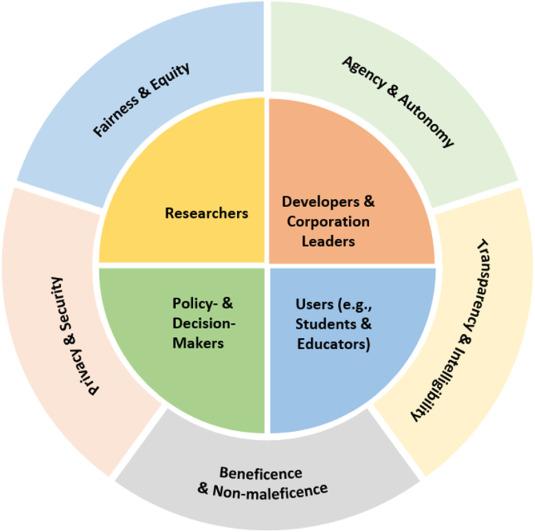
As AI teaching assistants,personalized learning algorithms,and automated grading gain popularity,their influence on educational outcomes grows. Though, this advancement comes with a responsibility to ensure ethical AI implementation. Unchecked, these technologies can introduce biases, compromise data privacy, and perpetuate inequities. here’s why ethical considerations in AI education are non-negotiable:
- Equity and Fairness: Ensuring technology doesn’t favor or hinder certain groups of students.
- Transparency: Building trust by making AI decisions understandable and explainable.
- Data Privacy: Protecting sensitive student details from misuse or breaches.
- Accountability: Holding developers and institutions responsible for AI outcomes.
key Ethical Issues in AI-Driven Learning
Before harnessing the full potential of AI in education,educators and policymakers must address these critical ethical challenges:
1. Data Privacy and Security
Student data is at the heart of AI-driven learning. Platforms collect vast amounts of personal information, from academic records and learning behaviors to demographic data.
- Risk: Data breaches can expose sensitive student information.
- Best Practice: Use end-to-end encryption and comply with regulations such as FERPA, GDPR, and COPPA.
2. Bias and Algorithmic Fairness
AI systems rely on data to learn and make decisions. If training data is biased, the AI will likely perpetuate those biases, possibly discriminating against certain students based on gender, ethnicity, or socioeconomic status.
- Risk: Biased recommendations or grading, leading to unfair outcomes.
- Best Practice: Regularly audit algorithms for bias and include diverse datasets during model training.
3. Transparency and Explainability
Complex AI models often act as “black boxes,” making decisions that may be hard to interpret.
- Risk: Teachers and students may not understand why a proposal or grade was given.
- Best Practice: Prioritize explainable AI (XAI) technologies and clearly communicate how decisions are made.
4.Informed Consent
Students (and their guardians) should know what data is being collected and how it will be used.
- Risk: Lack of consent can erode trust in technology and institutions.
- Best Practice: Make data usage policies clear and require explicit consent before data collection.
5. Human Oversight
AI should not replace the critical thinking and ethical judgment of educators. Human oversight ensures AI acts as a supplement, not a substitute, for meaningful teacher-student interactions.
- Risk: Over-reliance on AI may marginalize the human elements of empathy and context.
- Best Practice: Integrate human-in-the-loop systems for major educational decisions.
Benefits of Ethical AI-Driven Learning
Navigating the ethical landscape brings meaningful rewards for students,teachers,and educational institutions:
- Personalized Learning: Responsibly designed AI adapts to individual needs without compromising equity or privacy.
- Higher Engagement: Trustworthy AI systems foster increased student and teacher engagement.
- Improved Outcomes: Transparent and fair AI can highlight learning gaps and promote achievement for diverse learners.
- trust Building: Responsibly managed AI establishes confidence among stakeholders and boosts adoption rates.
practical Tips for Ensuring Responsible and Fair AI in Education
Educational leaders, teachers, and developers can take actionable steps to prioritize ethical considerations in AI-driven learning:
- Conduct Regular audits: Continuously monitor AI systems for performance, fairness, and unintended consequences.
- Foster Digital Literacy: Equip students and staff with knowledge about AI tools—and their limitations.
- Promote Diversity: Involve a diverse group in AI model development and testing to minimize bias.
- Be Transparent: Share information about how AI tools work and how data is handled.
- Develop Clear Policies: Set guidelines on responsible AI use and respond swiftly to incidents or complaints.
- Keep Humans in the Loop: Encourage educator oversight, especially in high-stakes decisions like grading or interventions.
Case Study: Tackling Bias in AI Grading Tools
A leading online learning platform introduced an AI grading assistant to save teachers time.After rollout, some students reported unfair and inconsistent grades. Upon inquiry, the company discovered the AI was trained primarily on data from privileged schools, unintentionally disadvantaging students from underrepresented backgrounds.
“through a combination of data diversification, ongoing bias audits, and human review checkpoints, the company improved grading equity by over 35% within a year.”
This example highlights the need for rigorous monitoring and active mitigation strategies to ensure fairness and equity in AI-driven assessment.
first-Hand Insights: Educators’ Perspective on AI Ethics
Manny teachers enthusiastically adopt AI-powered tools, but a consistent message prevails: human relationships remain irreplaceable. In a survey by the International Society for technology in Education (ISTE), over 75% of educators expressed a desire for more transparency and control over AI recommendations.
-
“AI helps personalize learning, but I always double-check automated suggestions to ensure they are suitable for my students.”
– High school teacher, California
-
“Understanding how AI makes decisions gives both teachers and students more confidence in adopting new technologies.”
– EdTech coordinator, UK
Guidelines and Frameworks for Ethical AI in Education
Global organizations and governments are developing frameworks to guide ethical AI adoption in education. Some notable initiatives include:
- UNESCO’s Ethics of Artificial Intelligence: Outlines recommendations for inclusive, transparent, and accountable AI use.
- IEEE’s Ethically Aligned Design: Principles focused on ensuring human wellbeing and transparency in intelligent systems.
- OECD AI Principles: Promote human rights,transparency,and fairness in all AI applications.
Educational institutions are encouraged to consult these resources and develop internal policies tailored to the unique needs of their learning communities.
Conclusion: The Future of Responsible and Fair AI-Driven education
Ethical considerations in AI-driven learning are not an afterthought—they are central to creating inclusive, effective, and trustworthy educational environments. By prioritizing privacy, fairness, transparency, and human dignity, the education sector can harness AI’s full potential while minimizing risks.As AI technologies continue to evolve, so too must our commitment to ethical best practices. The result is an education system where all learners have the chance to thrive.
Responsible AI in education is a collective journey, demanding ongoing dialog among technologists, educators, policymakers, and communities. By working together, we can ensure that the promise of AI-driven learning is realized equitably and ethically for every student.