
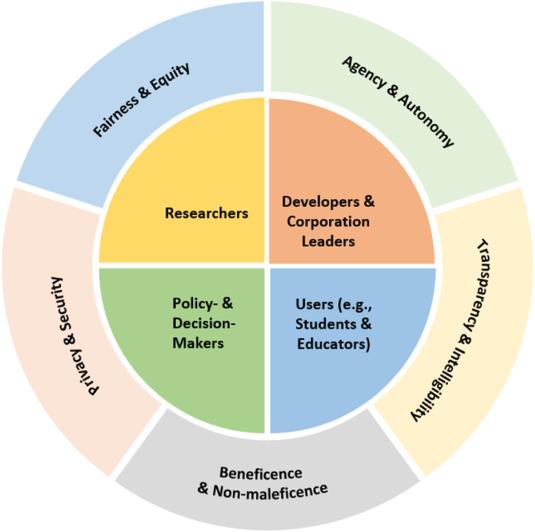
Ethical Considerations in AI-Driven Learning: Key Challenges and Best Practices Explained
As artificial intelligence (AI) continues to revolutionize the educational landscape, the integration of AI-driven learning systems has become a major topic of interest. While the benefits of AI in education are considerable—ranging from personalized learning paths to improved administrative efficiency—ther are also significant ethical considerations in AI-driven learning that educators, developers, and policymakers must address. This article delves deep into the key challenges, benefits, and practical solutions, ensuring that AI in education remains both effective and ethically responsible.
Table of Contents
- Introduction
- What are AI-Driven Learning systems?
- Key Ethical Challenges in AI-Driven Learning
- Benefits of Ethical AI in education
- Best Practices for Ethical AI Integration in Learning
- Real-world Case Studies
- Conclusion
Introduction
AI-powered learning platforms and tools have opened new horizons for both teachers and students.From automating assessments to offering tailored curricula, the potential advantages are vast. Though, these developments also bring forth crucial questions related to privacy, openness, algorithmic bias, and equitable access. Addressing these ethical considerations in AI-driven learning is paramount to fostering trust and promoting positive outcomes for all stakeholders.
What are AI-Driven Learning Systems?
AI-driven learning systems leverage advanced algorithms and data analytics to enhance educational processes. These systems include:
- Adaptive learning platforms that adjust content based on individual student performance.
- Automated grading tools that provide instant feedback to learners.
- AI tutoring systems that simulate one-on-one instruction.
- Intelligent learning management systems (LMS) that monitor student engagement and recommend resources.
while these innovations offer greater flexibility and scalability, they also introduce ethical challenges that must be carefully managed.
Key Ethical Challenges in AI-Driven Learning
The emergence of AI in education has sparked debates around several ethical issues. Some of the key challenges include:
1. Data Privacy and Security
- AI systems collect sensitive data such as student performance, behavioral patterns, and even biometric facts.
- Securing this data from unauthorized access and misuse is critical to protect students’ privacy rights.
- Compliance with data protection regulations like GDPR and FERPA is essential.
2. Algorithmic Bias and Fairness
- Bias can inadvertently creep into AI algorithms through training data or model design, leading to unfair outcomes.
- Discriminatory practices such as misidentifying students from underrepresented groups must be actively mitigated.
- ongoing monitoring and auditing are needed to ensure fairness in AI-driven assessments and recommendations.
3. Lack of Transparency and Explainability
- many AI models, especially those based on deep learning, are considered “black boxes”—their decisions are difficult to interpret.
- Educators and students may struggle to understand why a particular action or recommendation was made.
- Explainable AI (XAI) techniques are vital to address this issue.
4. Accountability and Duty
- Who is held accountable when an AI system makes an erroneous or unfair decision?
- Clear guidelines delineating the responsibilities of teachers, developers, and institutions are needed.
5. Informed Consent and Autonomy
- Students must be aware of how their data is being used and agree to participate in AI-driven programmes.
- Maintaining autonomy in learning—ensuring that technology augments, rather than dictates, educational choices—is crucial.
6. Digital Divide and Accessibility
- Unequal access to AI-powered learning tools can widen existing educational gaps for marginalized communities.
- Ensuring inclusivity and accessible design is a key component of ethical AI in education.
Benefits of Ethical AI in Education
Proactively addressing ethical considerations brings numerous benefits:
- Enhanced trust: Transparency and ethical safeguards build confidence among students, educators, and parents.
- Improved learning outcomes: Fair and inclusive AI systems offer personalized support, helping every learner reach their potential.
- Compliance and reputation: Adhering to legal and ethical standards protects institutions from legal issues and enhances public reputation.
- Wider adoption: Schools and universities are more likely to embrace AI innovations if ethical risks are mitigated.
Best Practices for Ethical AI Integration in Learning
To ensure that the deployment of AI in education is responsible and equitable, consider the following best practices:
1. Prioritize Data Minimization and Security
- Collect only the data necessary for specific educational purposes.
- Employ robust encryption and anonymization techniques to safeguard information.
- Regularly audit data storage and sharing practices.
2. Foster Diversity in AI Development
- Build diverse teams of developers, researchers, and educators to design AI tools.
- Incorporate broad perspectives to minimize bias and discrimination.
3. Implement Transparency Mechanisms
- Adopt Explainable AI (XAI) frameworks so users understand decision-making processes.
- Publish clear documentation and guidelines for students, parents, and staff.
4. Ensure Ongoing Testing and Auditing
- Conduct regular assessments to identify and rectify biases in AI systems.
- Invite autonomous third-party auditors to review algorithms and outcomes.
5. Promote Digital Literacy and Informed Consent
- Educate students and teachers on how AI works and how their data is used.
- Obtain explicit consent before collecting and processing personal information.
6. Design for Accessibility and Inclusivity
- Ensure that AI-powered tools are accessible to individuals with disabilities.
- Support multiple languages and accessibility features to serve all learners.
Real-world Case Studies
Learning from existing implementations of AI in education provides valuable insights. Here are two instructive examples:
Case study 1: Tackling Bias in AI Grading Systems
In 2020, an AI-powered grading system used by several UK schools yielded controversy after students from lower-income backgrounds were disproportionately affected by downgraded results. Following public backlash, developers re-evaluated the model, incorporating more diverse datasets and enhancing transparency, ultimately producing a fairer system.
Case Study 2: Protecting Student data with end-to-End Encryption
A leading US university implemented AI-based analytics to improve student performance but faced concerns about data privacy. The institution partnered with cybersecurity experts to employ end-to-end encryption and data anonymization, aligning its practices with FERPA guidelines and restoring trust among students and faculty.
Conclusion
The integration of AI in education holds immense promise but must be underpinned by strong ethical foundations. By understanding and proactively addressing key challenges such as data privacy, bias, transparency, and inclusivity, institutions can harness the benefits of AI-driven learning while protecting the rights and dignity of all participants. Embedding these best practices and learning from real-world examples will ensure that AI is a force for good—empowering learners, educators, and society at large.