
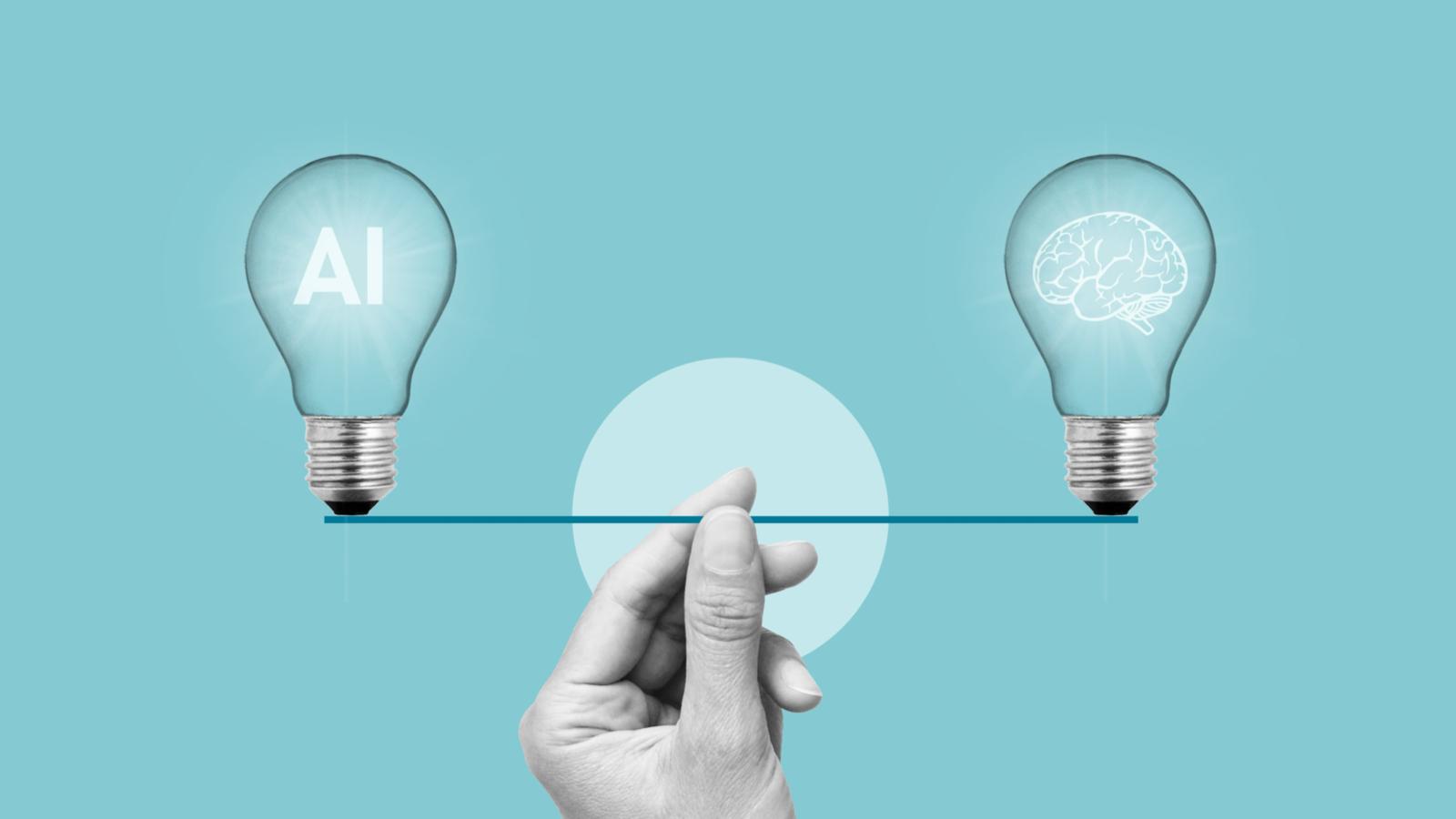
Ethical Considerations in AI-Driven Learning: Key Challenges and Solutions for Educators
Introduction: The Rise of AI-Driven Learning
Artificial Intelligence (AI) has revolutionized many sectors, and education is no exception. AI-driven learning platforms can personalize instruction, streamline administrative tasks, and offer data-driven insights—but with thes benefits come critically important ethical considerations. As educators embrace AI-powered tools—from adaptive learning software to AI teaching assistants—thay must navigate complex challenges related to privacy,fairness,transparency,and student autonomy. This article delves into the main ethical issues in AI-driven learning and provides educators with practical solutions and actionable guidance.
Key Benefits of AI-Driven Learning in Education
Before diving into ethical concerns, it’s essential to recognize the transformative benefits AI brings to the classroom. Understanding these positives helps frame the importance of addressing ethical considerations responsibly.
- Personalized learning pathways: AI adapts content and pace to meet individual student needs, increasing engagement and retention.
- Bright tutoring systems: These platforms provide instant feedback and tailored support, supplementing teacher instruction.
- Administrative automation: AI streamlines grading, scheduling, and reporting, freeing educators to focus on teaching.
- Predictive analytics: AI can identify at-risk students, enabling timely interventions for better outcomes.
Ethical Considerations in AI-Driven Learning
Despite the promise of AI in education, ethical challenges demand attention. Below, we explore the most pressing concerns and why they’re vital for educators to address.
Privacy and Data Protection
- Student data sensitivity: AI systems collect vast amounts of information, from learning patterns to biometric data.
- Consent and transparency: Students and parents must understand how data is being used and give informed consent.
Bias and Discrimination
- Algorithmic bias: AI systems can reflect or amplify human biases present in training data, leading to discrimination.
- Equity in outcomes: There’s a risk that AI-driven learning reinforces existing social or economic disparities.
Transparency and Explainability
- Black box decisions: AI models are often opaque, making it arduous to understand or challenge their recommendations.
- Accountability: Without clear explanations, it’s hard to hold stakeholders accountable for errors or decisions.
Student Autonomy and Oversight
- Over-reliance on AI: Automated systems may limit critical thinking if students rely solely on algorithmic feedback.
- Human oversight: Educators need to maintain control and intervene where necessary to preserve educational integrity.
Case studies: real-world Ethical Challenges in AI Education
- Facial Recognition in Smart Classrooms: In some schools, AI-powered cameras track student attention for participation grading. While intended to boost engagement, this raises privacy concerns about surveillance and consent.
- Automated Grading Bias: Attempts to use AI for essay grading have led to questions about fairness, as systems may misinterpret dialects or non-standard writing, highlighting biases in the underlying data.
- Predictive Analytics and Student Support: predictive models identify at-risk students but can inadvertently stigmatize individuals or lower expectations, especially if used without careful human review.
Key Challenges for Educators Integrating AI-Driven Learning
The adoption of AI in education confronts educators with unique hurdles. Recognizing these challenges is the first step toward effective, ethical implementation:
- Lack of AI literacy: Many educators are unfamiliar with how AI systems work, making ethical oversight difficult.
- Limited resources: Time and funding constraints may hinder meaningful evaluation or customization of AI tools.
- Rapidly evolving standards: Legal and ethical guidelines for AI in education are still developing, leading to uncertainty.
- Cultural sensitivity: AI solutions must be adapted to local values, languages, and educational contexts.
practical Solutions: Ensuring Ethical AI in Education
How can educators address these ethical challenges and create a safe, equitable AI-driven learning environment? Below are actionable strategies for responsible AI adoption in education.
1. Prioritize Data Privacy and Security
- Choose AI tools with robust data protection features and clear privacy policies.
- Ensure compliance with local and international privacy regulations (e.g.,GDPR,FERPA).
- Regularly audit data storage, access, and processing protocols.
- Educate students and parents about data collection practices and their rights.
2. promote Fairness and Mitigate Bias
- Select AI systems tested for fairness, with obvious documentation of training data and algorithms.
- Regularly review AI outcomes for signs of bias or discrimination.
- Involve diverse stakeholders—educators, students, parents, and technologists—in tool evaluation.
- Supplement AI insights with human judgment to ensure equitable outcomes.
3. Enhance transparency and Explainability
- Favor AI applications with explainable decision-making processes.
- Provide clear, accessible information about how algorithms reach conclusions.
- Empower students and educators to challenge or request reviews of automated decisions.
4. Safeguard Student Autonomy
- Position AI as a supportive tool,not a replacement for human teaching.
- Encourage critical engagement with AI-generated feedback and resources.
- Maintain regular opportunities for human interaction, mentorship, and guidance.
5. Build AI Literacy Among Educators
- Invest in professional advancement focused on AI concepts, risks, and responsible use.
- Foster a culture of ongoing learning and ethical reflection within educational teams.
- Develop clear institutional policies on AI deployment and ethical use in classrooms.
first-Hand Experience: Educators’ Voices on AI Ethics
“AI freed up time for project-based learning, but our biggest lesson was ensuring no student’s privacy was compromised. We worked with parents and conducted regular reviews of our AI tools to keep our community’s trust.”
— Sophia Ahmed, High School Principal
“As an educator, transparency in AI recommendations helps me intervene effectively. We always double-check AI-generated alerts with personal observations before acting.”
— James Corbin, Middle School Math Teacher
Conclusion: Fostering Ethical AI-Driven Learning Environments
AI-driven learning offers vast potential to transform education, but it must be grounded in strong ethical principles. By understanding the risks and proactively implementing solutions—ranging from robust data privacy to bias mitigation—educators can harness AI’s benefits while safeguarding students’ rights and wellbeing. Collaboration among teachers, students, parents, AI developers, and policymakers is crucial for setting clear standards and fostering trust.As technology advances, an ethical approach will ensure AI supports every learner’s success—safely, fairly, and transparently.
Ready to adopt AI-driven learning in your classroom? start by evaluating your current tools using the ethical standards discussed above, and engage your educational community in ongoing dialogue about responsible technology use. Together, we can shape a future where AI empowers teaching and learning—with ethics at the core.