
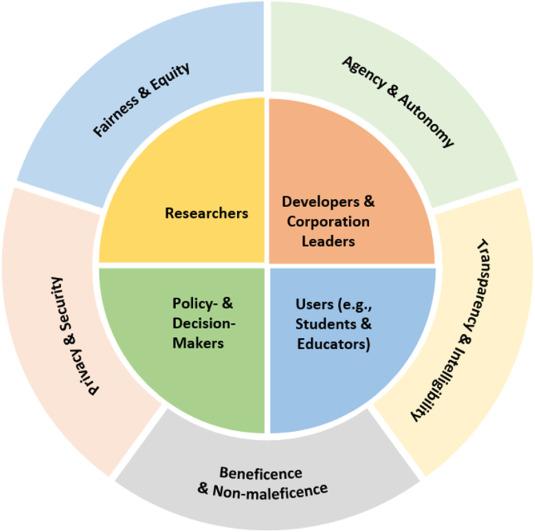
Ethical Considerations in AI-Driven Learning: Key Challenges and Solutions for Responsible Education
Introduction
Artificial Intelligence (AI) is revolutionizing the educational landscape,unlocking powerful tools for personalized learning,accessibility,and efficiency. Though, the rapid integration of AI-driven learning technologies comes with complex ethical challenges that demand careful attention. To ensure responsible education and protect the interests of learners and educators alike, it’s essential to address these ethical considerations head-on. In this comprehensive guide, we explore the key challenges of AI in education, share real-world examples, and present actionable solutions for ethical and effective implementation.
Benefits of AI-Driven Learning in Education
before diving into the ethical considerations, let’s briefly highlight what makes AI-powered learning tools so transformative for education:
- Personalization: tailoring instruction to individual students’ strengths, weaknesses, and learning styles.
- Accessibility: Supporting students with disabilities through adaptive technologies and voice recognition.
- Efficiency: Automating administrative tasks and streamlining assessment processes.
- Engagement: Offering interactive, game-based, and collaborative learning experiences.
These benefits make it clear why so many schools and institutions are adopting AI-driven learning tools. However, with grate power comes great responsibility.
Key Ethical Challenges in AI-Driven Learning
1. Data Privacy and Security
AI systems depend on large volumes of student data to deliver personalized experiences. This sensitive data, if mismanaged, can expose learners to risks such as identity theft or unauthorized surveillance.
- data Collection: Are students aware of the types of data being collected and why?
- Data Storage: How is personal data being stored, encrypted, and managed?
- Third-Party Sharing: Are there clear policies regarding how data is shared with external vendors or partners?
2. Algorithmic Bias and Fairness
AI algorithms may inadvertently reinforce existing biases in educational systems. For example, if historical data reflects inequalities, prediction models could perpetuate gaps in achievement or possibility.
- Biased Training Data: does the AI model rely on datasets that may underrepresent certain groups?
- Outcome Disparities: are AI recommendations or grading tools diminishing opportunities for marginalized students?
3. Transparency and Explainability
Many AI-driven tools make decisions that can significantly impact a learner’s education,yet these decisions often lack transparency. Educators and students deserve to understand how AI arrives at specific recommendations or scores.
- How easily can teachers or students challenge or appeal AI-driven decisions?
- Is the logic behind the system’s actions available and understandable to non-technical users?
4. Autonomy and Human Oversight
Over-reliance on automated systems may diminish the role of educators or impede students’ freedom to direct their own learning. Striking a balance between automation and human judgment is crucial.
5. Equity of Access
AI-powered educational tools frequently enough require internet access, up-to-date devices, and digital literacy skills. This digital divide can worsen educational inequality, disadvantaging students in under-resourced communities.
6. Informed Consent
Students, teachers, and parents must give informed consent before their data is collected or processed.clear communication about AI’s role is essential to maintain trust and respect autonomy.
Solutions for Responsible and Ethical AI in Education
Addressing these challenges requires a proactive, multi-faceted approach. Here are some proven strategies for ethical AI integration in learning environments:
1. Strengthen Data Protection Policies
- Implement end-to-end encryption and strict access controls for all personal data.
- Regularly audit and update data management practices to comply with regulations such as GDPR and FERPA.
- Establish obvious procedures for data deletion upon request.
2. Mitigate Algorithmic Bias
- audit training datasets for diversity and inclusivity before model deployment.
- Utilize fairness-aware machine learning techniques to minimize biases in outcomes.
- Enable regular, independent testing of AI models for bias by third-party experts.
3. Enhance Transparency and Explainability
- Adopt explainable AI frameworks to elucidate how decisions are made.
- Develop user-friendly interfaces and dashboards that illustrate AI processes for educators and students.
- Provide clear documentation and support channels for AI-influenced outcomes.
4. Prioritize Human Oversight
- Design AI systems that assist rather than replace educators, keeping humans in the decision-making loop.
- set up clear escalation procedures for students and teachers to challenge or override AI decisions.
5. Bridge the Digital Divide
- Invest in infrastructure to provide reliable devices and internet access for all students.
- Offer training, support, and accessible interfaces for users with varying technological skills.
- Promote partnerships for affordable or open-source AI educational tools.
6. Ensure Informed Consent
- Clearly communicate what data is collected, how it will be used, and obtain explicit consent before processing.
- Offer accessible privacy notices suitable for different age groups and languages.
Case Studies: Ethical AI in Action
Case Study 1: Combating Algorithmic Bias in Admissions
A leading university piloted an AI-driven admissions tool to streamline applications. midway, they discovered minoritized candidates were underrepresented among admits. Addressing this, they sourced more diverse training data and invited external experts to assess the system’s fairness. The result? A significantly more balanced and equitable admissions process.
Case Study 2: Data Privacy in K-12 Online Learning
During the COVID-19 pandemic, a school district rolled out AI-powered learning platforms for remote instruction. By instituting robust parental consent forms, minimizing data retention, and enforcing strict vendor requirements, they upheld students’ privacy while benefitting from digital innovation.
Practical Tips for Educators and Institutions
- Stay informed about evolving AI ethics guidelines in education from leading organizations such as UNESCO and IEEE.
- Conduct routine AI ethics audits of all digital learning platforms.
- Engage students, parents, and communities in discussions about AI’s role in learning.
- Prioritize transparency, openness, and accountability in all AI adoption decisions.
- Encourage ongoing professional development for educators on data literacy and ethical technology use.
Conclusion
AI-driven learning stands at the forefront of educational innovation, offering immense possibilities to transform teaching and learning. Yet, the power of artificial intelligence in the classroom must be harnessed responsibly. By proactively addressing ethical considerations—ranging from data privacy to fairness,transparency,and digital inclusion—educators and policymakers can create learning environments that are both innovative and equitable.
as we embrace the promise of AI in education, let us commit to continuous ethical vigilance, lifelong digital literacy, and human-centered approaches that put students’ rights and wellbeing first. Only then can we unlock the full benefits of AI for everyone—safely, fairly, and responsibly.