
Ethical Considerations in AI-Driven Learning: Key Issues and Best Practices Explained
Artificial intelligence is rapidly transforming the landscape of education. From personalized learning experiences to automating administrative tasks, AI-driven learning is making education more efficient and accessible. However, as with any powerful technology, integrating AI into classrooms and online platforms introduces complex ethical considerations that educators, policymakers, and technology developers must address.
In this comprehensive guide, we’ll explore the key ethical issues in AI education, highlight the potential benefits, and offer actionable best practices to ensure that artificial intelligence supports fair, inclusive, and responsible learning opportunities for all.
Table of Contents
- Understanding Ethical Considerations in AI-Driven Learning
- Key Ethical Issues in AI-Driven Learning
- Benefits of Ethical AI in Education
- Best Practices for Ethical AI Implementation in Learning Environments
- Case Studies: AI Ethics in Real-World Educational Settings
- Conclusion
Understanding Ethical Considerations in AI-driven Learning
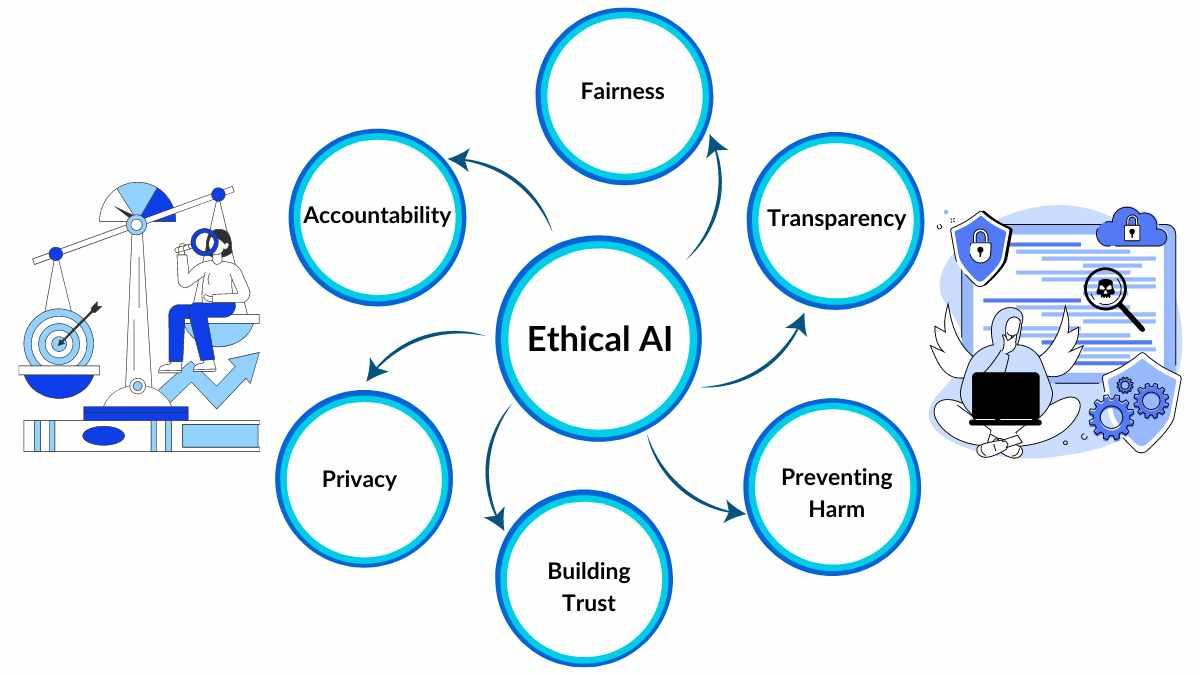
AI-driven learning systems utilize data and machine learning algorithms to tailor educational content, assess student performance, and automate recommendations. While these innovations promise greater personalization and efficiency, they also bring forth ethical questions surrounding privacy, bias, accountability, and transparency.Addressing these concerns is crucial for maintaining trust and promoting equity in educational spaces.
Key Ethical issues in AI-Driven Learning
Successfully integrating AI into learning settings means understanding and actively mitigating a range of ethical risks. here are the most pressing challenges:
1. Data Privacy and Security
- Personal Facts: AI-driven platforms collect vast amounts of personal data on students, including learning habits, assessment results, and even behavioral cues.
- Regulatory Compliance: Ensuring adherence to laws such as GDPR and FERPA is essential to protect student privacy.
- Security Risks: Data breaches or unauthorized data access can have critically important repercussions for students and institutions.
2. Algorithmic Bias and Fairness
- Bias in Training Data: If AI models are trained on biased or non-representative data, they may reinforce existing inequalities.
- disparities in Outcomes: AI-driven recommendations might disadvantage certain groups, perpetuating educational achievement gaps.
- Equal Access: Ensuring that AI technologies cater to diverse learning styles and backgrounds is a pressing ethical concern.
3. Transparency and explainability
- Black Box Systems: Many AI algorithms operate as “black boxes” where decision processes are unclear, making it arduous for educators or learners to understand how conclusions are reached.
- Trust and Accountability: Stakeholders need assurance that AI recommendations are made ethically, with an opportunity to question or appeal automated decisions.
4. Autonomy and Human Oversight
- Loss of Agency: Heavy reliance on AI can erode the autonomy of both teachers and students.
- Role of Educators: AI should support—not replace—human judgment and pedagogical expertise.
- Ethical Use Policies: Clear guidelines regarding the limits and scope of AI usage are necessary.
5. Informed Consent
- Awareness and Choice: Students and parents should know what data is collected, how it is used, and have the option to opt out of certain processes.
- Accessible Consent Mechanisms: Ensure consent forms and privacy policies are understandable and accessible to all users.
Benefits of Ethical AI in Education
Despite the challenges, ethical implementation of AI-driven learning offers immense benefits to educators and learners:
- Personalized Learning: Tailoring educational materials to individual needs and learning speeds boosts engagement and achievement.
- Resource Optimization: Automating routine tasks allows teachers to focus on creative, interpersonal, and higher-order teaching activities.
- Identifying At-Risk Students: Early detection systems powered by AI can flag struggling students, enabling timely interventions.
- Scalability: AI-driven platforms can support large numbers of learners with consistent quality.
- Inclusive Education: Properly designed AI systems can accommodate learners with disabilities or diverse linguistic backgrounds.
Best Practices for Ethical AI Implementation in Learning Environments
To ensure AI in education serves the greater good, educational institutions, edtech developers, and educators should adopt a robust ethical framework. Here are actionable best practices:
-
Design for Transparency:
- Clearly explain how AI systems make decisions.
- Provide accessible documentation and visualizations for students and instructors.
-
Implement Bias Auditing:
- Regularly audit data sets and algorithms for signs of bias.
- Involve diverse stakeholders in system design and review.
-
Prioritize Privacy:
- Collect only necessary data and anonymize it where possible.
- Encrypt sensitive information and establish strict data access protocols.
-
Maintain Human Oversight:
- Keep educators in the loop for all critical educational decisions.
- AI should augment—not substitute—professional judgment.
-
Promote Digital Literacy:
- Train teachers and students on how AI works and its potential pitfalls.
- Foster critical thinking skills to evaluate AI outputs.
-
Establish Ethical Use policies:
- Create clear guidelines and codes of conduct for AI use in academic settings.
- Regularly update policies in response to new developments and feedback.
-
Gather Feedback and Encourage Participation:
- Solicit continuous community input from parents, students, and educators.
- Implement feedback loops to inform ongoing improvements.
Case Studies: AI Ethics in Real-World Educational Settings
Let’s look at real-world examples that highlight both challenges and successes in ethical AI education:
Case Study 1: Reducing Bias in Automated Student Grading
A major online university implemented an AI system to grade short-answer questions. Initial results showed unfair scoring patterns for non-native English speakers. Through regular algorithm audits, inclusion of diverse linguistic data in model retraining, and faculty oversight to review edge cases, the university successfully reduced bias and enhanced grading fairness.
Case Study 2: Privacy by Design in School Management Systems
An edtech company developing a student management platform adopted a privacy-first approach. by anonymizing sensitive data, incorporating parental consent workflows, and providing clear user dashboards detailing data use, they garnered strong trust from both parents and schools, setting a new standard for privacy in AI-driven education.
Case Study 3: Obvious AI-Driven Recommendations
A K-12 district leveraged an AI tool that recommends personalized reading materials. To ensure transparency, the platform displayed how it ranked each book for individual students and allowed librarians to adjust settings. This helped build stakeholder confidence and fostered a collaborative, ethically sound adoption process.
Conclusion
The integration of AI-driven learning has tremendous potential to revolutionize education through personalization, inclusivity, and efficiency. Though, with great power comes great duty. By addressing ethical considerations in AI education—from privacy, bias, and transparency to human oversight and informed consent—we can ensure technology is used fairly and equitably.
Embracing best practices for ethical AI implementation not only builds trust but also enhances the educational experiences and outcomes for all learners.As AI continues to shape the future of learning, a steadfast commitment to ethics will be the foundation for innovation that truly benefits everyone.