
Ethical Considerations in AI-Driven Learning: Key issues and Best Practices for Educators
Artificial Intelligence (AI) is rapidly reshaping the educational landscape, promising more personalized, efficient, and engaging learning experiences. Whether automating assessments, analyzing student data, or providing adaptive learning environments, AI-driven learning is transforming classrooms and virtual learning spaces worldwide. However, with great power comes great duty. Ethical considerations in AI-driven learning have become a pressing topic for educators, administrators, and policymakers alike.
Introduction: The Rise of AI in Education
The integration of artificial intelligence in education is moving from futuristic concept to everyday reality. AI-powered platforms now support teachers by identifying individual student needs, predicting learning outcomes, and automating administrative tasks. Yet, as these systems become more embedded in our schools, it is crucial to assess their ethical implications to ensure technology serves as a force for good.
This thorough guide explores the ethical considerations of AI-driven learning, identifying key issues and sharing actionable best practices for educators persistent to foster trustworthy, clear, and equitable educational environments.
Why Ethical Considerations in AI-Driven Learning Matter
Before diving into specific challenges, it is indeed critically important to understand why ethics in AI for education is so vital:
- student Well-Being: AI systems can influence learning pathways, assessments, and even a learner’s emotional state. Unethical use may harm student confidence or opportunities.
- Equity and Fairness: Without vigilant oversight,AI can reinforce existing biases or disadvantage marginalized groups,deepening the very inequities education seeks to erase.
- Privacy & Trust: Collecting and processing vast amounts of student data risks breaches of privacy if not managed ethically.
- Clarity: Stakeholders—including students, parents, and educators—deserve to understand how AI-driven decisions are made.
Key Ethical Issues in AI-Driven Learning
1. Algorithmic bias and Fairness
AI systems reflect the data used to train them. If past education data carries biases—such as those relating to socioeconomic status, gender, or ethnicity—AI-driven learning platforms risk replicating or amplifying these biases:
- Example: An AI advice engine may suggest advanced learning materials more frequently to students from backgrounds historically overrepresented in STEM, minimizing opportunities for others.
- Challenge: Ensuring fairness requires deliberate interventions, continuous evaluation, and diverse data sets.
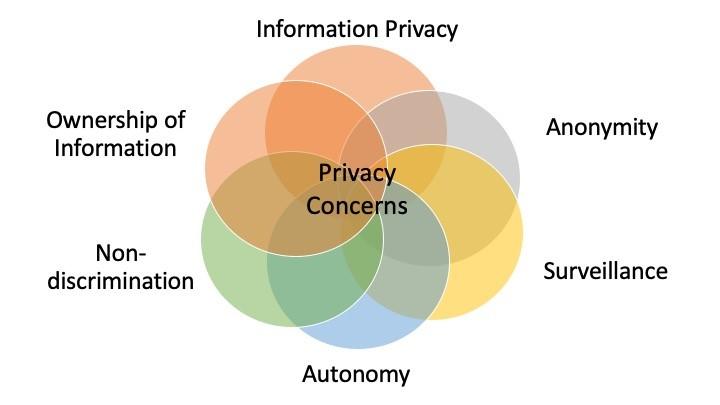
2. Student Privacy and Data Protection
AI learning platforms gather massive amounts of sensitive data, including behavioral analytics, learning progress, and even emotional states. Without robust safeguards, this facts can be misused or exposed.
- Data ownership: Who controls student data? How long is it stored? For what purposes?
- Consent: Are students and guardians meaningfully informed and able to opt out?
- Regulatory compliance: Does your platform comply with GDPR, FERPA, and other relevant privacy regulations?
3. Transparency and Explainability
AI-driven decisions—such as adaptive assessments or personalized content recommendations—should be explainable to students, teachers, and guardians. Black-box algorithms can erode trust and make it arduous to identify and correct errors or biases.
- Can educators easily explain why the AI made a certain recommendation?
- Is the decision-making process open to review and audit?
4. autonomy and Over-Reliance on AI
While AI offers powerful tools, there is a risk of diminishing human agency in learning.Teachers must ensure that AI augments—not replaces—the critical thinking and professional judgment at the core of effective education.
- Risk: Automated feedback could encourage “teaching to the algorithm” rather than supporting holistic growth.
- Balance: AI should enhance, not dictate, the learning experience.
5. Accessibility and Inclusion
Not all students have equal access to AI-driven educational tools, perhaps widening the digital divide. Further, AI must be designed to support learners with disabilities through adaptive technologies.
- Are AI platforms compatible with assistive technologies?
- Does your school provide equitable access to the necessary hardware and internet connections?
Benefits of Ethical AI-Driven Learning
When implemented thoughtfully, ethical AI in education brings notable benefits:
- Personalized Learning: Adaptive content meets students where they are, promoting engagement and academic success.
- Early Intervention: AI can definitely help educators identify learning challenges and intervene before small gaps become major setbacks.
- Efficiency: Automating administrative tasks allows educators to spend more time on what matters: teaching and mentoring.
- Scalability: AI tools can reach larger numbers of students without compromising quality.
Best Practices for Educators: Ensuring Ethical AI Implementation
How can educators and administrators navigate these complex ethical waters? Here are actionable, research-backed strategies to promote ethical AI use in the classroom:
1. Involve Stakeholders at Every Stage
- Engage students, families, and community members in decision-making about AI deployments.
- Create forums for feedback to catch ethical concerns early.
2. Choose Transparent, Explainable AI Tools
- Select vendors and platforms that share information about how their algorithms work.
- Prioritize solutions offering clear explanations for recommendations or decisions.
3. Prioritize Data Privacy and Security
- Adopt rigorous data protection protocols.
- Ensure compliance with data privacy regulations and regularly review data-handling practices.
- Limit data collection to what is necessary for educational purposes.
4. Foster Continuous Professional Development
- Offer training so educators can understand the strengths and limitations of AI tools.
- Promote ethical literacy in teaching staff—empowering them to recognize and address biases or misuse.
5. Audit and Monitor Outcomes Regularly
- Implement routine audits of AI outputs to identify biases or systematic errors.
- Adjust policies and tools as new ethical concerns arise.
6. Promote Equity and Inclusion
- Review AI-powered content and processes for unintended bias or exclusion.
- Make sure platforms are accessible to all learners, including those with disabilities or limited access to technology.
Real-World Case Studies: Ethical AI in Education
Understanding ethical AI in education is more than just theory.Here are two examples highlighting both the promise and challenges:
Case Study 1: Addressing Bias in Automated Essay Grading
A major educational testing company launched an AI-powered essay scoring system. Initial audits showed the tool favored essays using more complex vocabulary and syntax,inadvertently disadvantaging non-native speakers and students from under-resourced backgrounds.
The company responded by diversifying its training data, involving self-reliant reviewers to periodically assess fairness, and publicly releasing bias audit results—enhancing transparency and trust.
Case Study 2: Privacy First in a Learning Analytics Platform
A leading digital learning company adopted an “opt-in” rather than “opt-out” model for student data analytics. They implemented robust encryption, minimized personally identifiable information, and kept families informed about what data was being collected and why.
This approach not only built stronger relationships with stakeholders but also demonstrated that privacy and innovation can go hand-in-hand.
Practical Tips for Educators Implementing AI ethically
- Ask the Right Questions: Does this AI tool align with our school’s values? How does it impact vulnerable populations?
- Empower Students: Teach students about AI literacy, including its opportunities and limitations.
- Establish Clear Policies: Set guidelines for ethical AI use, data storage, and response when things go wrong.
- Stay Engaged: Follow updates in AI regulation, ethics, and best practices to keep school policies current.
Conclusion: Navigating the Future of AI in Education—With Integrity
As AI-driven learning continues to evolve, its potential is matched only by the importance of ethical guidance. By identifying key ethical considerations—ranging from bias and privacy to transparency and equity—educators can create safe, inclusive, and supportive learning environments. Every decision, from choosing a platform to explaining its results, offers an opportunity to put students’ well-being and fairness at the center.
By following best practices and embracing transparent, inclusive dialog, educators can ensure that the benefits of artificial intelligence in education are realized without compromising on ethics or trust.As stewards of the next generation’s learning journey, it is indeed our collective responsibility to guide the future of AI in education—responsibly, ethically, and with purpose.