
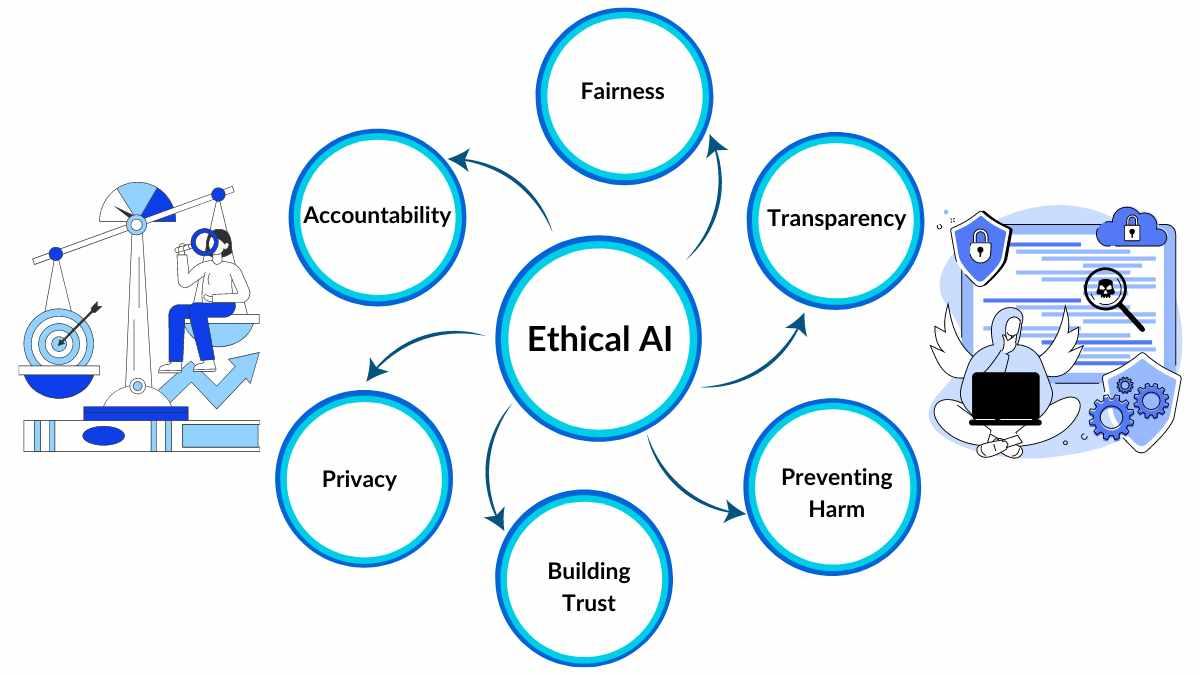
Ethical Considerations in AI-Driven Learning: Key Issues & Best Practices for Educators
Artificial intelligence is rapidly transforming education, offering innovative solutions to personalize learning, engage students, and support educators.However, as AI-driven learning tools become more prevalent, teachers, administrators, and policymakers face significant ethical considerations. ensuring that AI in education prioritizes student wellbeing, data privacy, and equity is crucial for responsible integration in schools and universities. In this article, we’ll delve into the ethical challenges of AI-driven learning, highlight key issues educators should be aware of, and share best practices to foster trustworthy and fair AI-powered learning environments.
What is AI-Driven Learning?
AI-driven learning leverages artificial intelligence to facilitate various aspects of the educational experience. From personalized learning paths and adaptive assessments to intelligent tutoring systems, AI has the power to revolutionize how students learn and how educators teach.Common AI tools in education include:
- Adaptive learning platforms
- Automated grading systems
- Chatbots for student support
- Predictive analytics for at-risk students
- AI-powered content proposal engines
While these applications can enhance efficiency and learner engagement, they also introduce complex ethical dilemmas that must be considered by all stakeholders.
Key Ethical Issues in AI-Driven Learning
As AI algorithms become embedded in everyday classroom activities, recognizing the potential risks—and acting to mitigate them—is essential. Here are the most pressing ethical considerations in AI-driven education:
1. Student Data Privacy & Security
AI systems require access to large datasets to function effectively. This data often includes sensitive student data such as academic records, attendance, behavioral data, and sometimes biometric data. Key concerns include:
- Unauthorized data access: Who controls and has access to student data?
- Data breaches: How secure are the storage and transmission of this information?
- Parental and student consent: Are families aware of how their data is collected and used?
2. Bias and Fairness
AI algorithms can inadvertently amplify existing biases present in training data. Such as, if a predictive model is trained using historical data that reflects social inequalities, its recommendations may perpetuate or deepen disparities. Crucial questions to ask include:
- Do AI tools treat students equitably regardless of race, gender, socioeconomic status, or ability?
- Are certain groups systematically disadvantaged by algorithmic decisions?
- Is there clarity in how AI-driven decisions are made?
3. Lack of Transparency (the “Black Box” Problem)
Many AI systems operate as “black boxes”—their internal processes are not easily understood by end users. This lack of transparency can make it difficult for educators to explain or justify AI-driven outcomes to students and parents, or to intervene when errors occur.
4. Consent & Autonomy
It’s crucial that students and parents maintain agency over educational choices and data sharing. The integration of AI should be a clear process, with clear opt-in/opt-out mechanisms.
5. Impact on Student Wellbeing
Over-reliance on AI-powered systems could diminish human interaction and critical thinking, or exacerbate stress and anxiety among students who feel constantly monitored or judged by technology.
Benefits and Opportunities of AI in Education
Despite ethical concerns, AI has great potential to enhance education when implemented responsibly. Some key benefits include:
- personalized Learning: AI can tailor lessons and activities to each student’s strengths, needs, and preferences, increasing engagement and achievement.
- Efficient Administrative Tasks: Automating grading, scheduling, and data management saves educators valuable time.
- Early Identification of Struggling Students: Predictive analytics alert teachers when students are at risk of falling behind, enabling timely intervention.
- 24/7 Student Support: AI chatbots and virtual assistants answer questions and provide guidance outside classroom hours.
With thoughtful ethical guidelines and informed oversight, schools can harness these advantages while safeguarding students’ rights.
best Practices: How Educators Can Navigate Ethical AI-Driven Learning
ensuring ethical use of AI in education calls for a proactive approach. Here are practical tips and best practices for educators, school leaders, and IT teams:
1. Promote Transparency
- Choose AI solutions that clearly communicate how algorithms operate and how decisions are made.
- Explain AI-driven processes to students and parents in accessible language.
- Document and regularly review AI decision-making, especially for high-stakes uses.
2. Prioritize Data Privacy and Security
- Implement robust data encryption and access controls.
- Obtain informed consent for data collection and sharing.
- Regularly train staff on privacy laws (e.g., GDPR, FERPA) and internal policies.
- Partner only with AI vendors who comply with rigorous privacy standards.
3. Monitor and Address Algorithmic Bias
- Routinely audit AI outputs for signs of bias or unfair outcomes.
- Involve diverse stakeholders in evaluating educational AI tools.
- Advocate for developers to create inclusive datasets and transparent models.
4. Empower Student Autonomy
- Allow students and families to opt out of non-essential AI-driven activities.
- Educate students about how AI works and its role in their learning journey.
- Encourage critical thinking and digital literacy alongside technological adoption.
5. Balance AI Integration with Human Relationships
- Use AI as a supplement to—not a replacement for—human interaction and mentorship.
- Maintain opportunities for face-to-face learning and social development.
- Proactively monitor and address student stress, anxiety, or alienation linked to technology use.
6. Stay Informed & Collaborate
- Engage in ongoing professional development about AI in education.
- Clarify roles and responsibilities with district IT, legal, and leadership teams.
- Join professional networks to share experiences and stay updated on emerging best practices.
Case Study: Implementing Ethical AI in the Classroom
Greenfield High School recently adopted an AI-powered platform to personalize assignments and monitor student engagement. To address ethical concerns, the school followed several best practices:
- Community Involvement: Engaged parents and students early, explaining tool functionality and gathering input on data privacy.
- Privacy Protections: Chose a platform that complied with FERPA and offered strict access controls.
- Regular Audits: Set up a committee to review AI outputs for fairness every semester and make adjustments as needed.
- Ongoing Training: Invested in digital literacy classes to help students understand AI’s role and how to interpret its feedback.
As an inevitable result, Greenfield experienced increased student engagement while maintaining high levels of trust and transparency throughout implementation.
First-Hand Insights: Teachers’ Perspectives on AI Ethics
“Introducing AI-driven assessment made grading easier, but we quickly realized we needed to double-check results for fairness. We worked as a team to identify instances where the software missed context—like language nuances or creative approaches. Continuous reflection and open feedback with students kept everyone informed and engaged.”
– Ms. Jensen, English Teacher
Such stories highlight the importance of pairing technological advancements with professional judgment and ethical oversight in AI-driven learning environments.
Conclusion: Building Responsible AI-Driven Learning Environments
The future of education is undeniably intertwined with artificial intelligence. While AI-driven learning offers exciting opportunities for personalization and efficiency, it also brings a host of ethical considerations that cannot be ignored. By understanding key risks, adhering to best practices, and fostering a culture of transparency and collaboration, educators can harness the power of AI while protecting student privacy, equity, and wellbeing.
Ultimately, ethical use of AI in education demands vigilance, empathy, and a commitment to student-centered values. By putting people first and technology second, schools can ensure that their AI-driven learning initiatives are both innovative and responsible.