
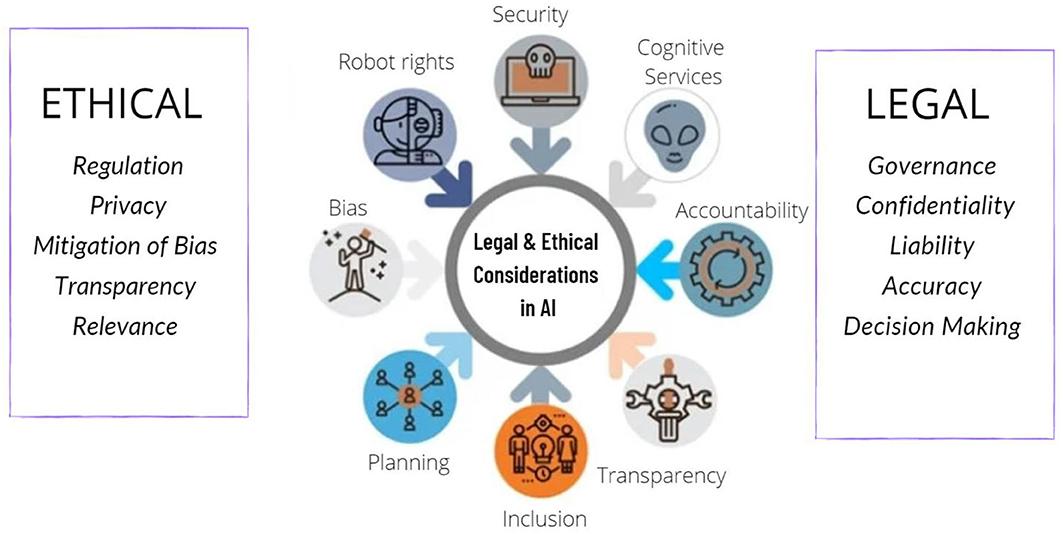
Ethical Considerations in AI-Driven Learning: navigating Challenges and Responsible Solutions
artificial intelligence (AI) is rapidly transforming the landscape of education and training. From personalized learning platforms to automated assessment tools, AI-driven learning solutions are reshaping the way knowledge is imparted and acquired. However, the integration of AI in education comes with a host of ethical considerations that educators, developers, policymakers, and learners must address.In this comprehensive guide, we explore the key challenges and responsible solutions associated with AI-driven learning, ensuring the journey remains both innovative and ethically sound.
Why Ethics Matter in AI-Driven Learning
The promise of AI in education is enormous. Adaptive learning algorithms offer customized pathways, data analytics unveil student strengths and weaknesses, and virtual tutors make learning accessible and engaging. Yet, as with any powerful technology, there are risks:
- Bias and Fairness: AI systems can inadvertently reinforce social and cultural biases present in their training data, potentially disadvantaging certain groups.
- Privacy and Data Security: AI solutions often rely on sensitive student data, raising questions about consent, storage, and misuse.
- Openness and Accountability: black-box algorithms can make it tough to understand how educational decisions are made, challenging trust and transparency.
- Autonomy and Human Oversight: Excessive automation may undermine educators’ and learners’ agency in the learning process.
Recognizing these ethical considerations in AI-powered education is the first step towards responsible and effective deployment.
Core Ethical Challenges in AI-Driven Learning
1. Data Privacy and Security
AI-driven learning systems process vast amounts of personal data, including demographics, assessment results, behavioral patterns, and even biometric information. The primary concerns here include:
- Informed Consent: Learners must understand what data is being collected and how it is used.
- Secure Storage: Robust cybersecurity protocols must be in place to prevent breaches.
- Compliance: Adhering to regulations like GDPR and FERPA is essential, especially in cross-border learning environments.
2. Algorithmic Bias and Fairness
AI models are only as unbiased as the data and logic they are built upon. Bias in AI-driven learning can manifest in:
- Personalized Recommendations: Ancient inequities in datasets can lead to unfair resource allocation.
- Assessment Tools: automated grading systems may not account for context, language diversity, or cultural nuances.
- Differential Access: Students from marginalized backgrounds may be underserved or misunderstood by AI algorithms.
3. Transparency and Explainability
an essential facet of responsible AI in education is making AI decisions understandable:
- Black-Box Models: Deep learning and complex algorithms frequently enough lack interpretability.
- Stakeholder Interaction: Teachers, students, and parents should know how and why certain AI-driven decisions are made.
- Appeal Mechanisms: Systems should enable users to challenge or review AI-generated outcomes.
4. Human Autonomy and Oversight
AI should augment—not replace—human judgement in learning environments:
- Educator Empowerment: Teachers should remain central decision-makers, using AI as a tool rather than a substitute.
- Learner Agency: Students must have input and control over their personalized learning journeys.
- Overcoming Over-Reliance: Ensuring AI recommendations are critical supports, not unquestioned mandates.
5. Accessibility and Digital Divide
Equitable access remains a concern, as not all learners have the same resources or technological literacy:
- infrastructure: Reliable internet and up-to-date devices are prerequisites for harnessing AI-driven learning.
- Inclusive design: AI tools need to be accessible for learners with disabilities or those from non-dominant language backgrounds.
- Bridging the Gap: Proactive policies are needed to ensure no student is left behind.
Benefits of Responsible AI in Learning
Despite the challenges, embracing ethical AI practices in education yields substantial benefits:
- Personalized Learning: Students receive support tailored to their unique needs and pace.
- Real-Time Feedback: Immediate insights can drive student motivation and betterment.
- Data-Driven Decision Making: Educators gain actionable insights for refining curriculum and instruction.
- Enhanced accessibility: AI-powered tools can make learning more accessible to those with disabilities.
Practical Solutions for ethical AI-Driven Learning
Deploying AI in education responsibly requires a deliberate approach. Here are practical tips and solutions for stakeholders:
1. Implement Strong Data Governance
- Obtain explicit, informed consent for data collection.
- Use encryption, anonymization, and secure storage practices.
- Regularly audit and update data protection policies.
2. Audit Algorithms for Fairness and Bias
- Conduct regular bias assessments during advancement and deployment.
- Diversify training datasets to minimize historical or cultural bias.
- Engage multidisciplinary teams—including educators, ethicists, and students—in development processes.
3.Ensure Transparency and Stakeholder Communication
- Utilize explainable AI (XAI) techniques wherever possible.
- Develop clear channels of communication for students, parents, and teachers to understand AI-driven decisions.
- Offer mechanisms for feedback, review, and contesting results.
4. prioritize Human Oversight and Agency
- integrate AI as an assistant, not an authority, in educational processes.
- Encourage teacher professional development focused on AI literacy and ethics.
- Develop AI systems that are adaptive to user input and override.
5. Foster Inclusive and Accessible AI Design
- Make accessibility a core feature, not an afterthought, in AI tools.
- incorporate feedback from a diverse group of users,including those with disabilities.
- Support policies and funding to reduce the digital divide in educational technology.
Case Studies: Ethical AI in Action
Case Study 1: EdTech Company’s Commitment to Privacy
A leading AI-powered language learning app built transparency directly into their sign-up process, with clear explanations of data use and opt-out choices. Their zero-knowledge encryption approach has become a best practice reference, helping boost user trust and engagement.
Case Study 2: Mitigating Bias in Automated Essay Scoring
A university partnered with ethicists to analyze the fairness of their automated grading system. Regular audits and iterative improvements—like incorporating more diverse writing samples—resulted in a measurable reduction in grading disparities for non-native English speakers.
Case Study 3: Enhancing Teacher Agency with AI Tools
A European school district integrated AI-assisted lesson planning tools but mandated that final decisions remain with teachers. This model fostered innovation while preserving professional expertise and human adaptability.
First-Hand Experiences: Voices from the Frontlines
“As a teacher using AI-powered analytics, I appreciate the insights but often find myself questioning their accuracy, especially for my students from underrepresented backgrounds. Collaborative dialog with developers has been key to ensuring fairness in our classrooms.”
– Maria S., Secondary School Teacher
“When we adopted an AI-driven adaptive learning platform, transparency about what data was being collected—and why—made all the difference in student buy-in. Parents were reassured, and the learning outcomes improved as students felt more in control.”
– Mark L., EdTech Administrator
Conclusion: The Path Forward for Ethical AI in Education
AI-driven learning is revolutionizing education, offering unprecedented personalization and opportunities for all. However, as stewards of this conversion, we must place ethical considerations at the heart of every decision. By fostering transparency, safeguarding privacy, countering bias, ensuring human agency, and prioritizing equitable access, we can create a future in which technology empowers every learner and educator alike.
Navigating the ethical challenges of AI-driven learning is not a one-time task but an ongoing duty. Stay informed, engage openly with all stakeholders, and lead with empathy—because the future of education deserves nothing less.