
Ethical Considerations in AI-Driven Learning: Navigating Responsibility and Fairness in Education
Artificial intelligence (AI) is transforming the educational landscape, offering innovative ways to personalize learning, streamline administrative tasks, and enhance classroom efficiency. Though, with the rise of AI-driven learning platforms comes a host of critically important ethical considerations—from questions about algorithmic bias and data privacy to the equitable responsible AI use in education. As educators, administrators, and developers steer toward a more digital future, it is crucial to ensure that these technological advancements are harnessed responsibly and fairly for all learners.
Understanding AI-Driven Learning
AI-driven learning refers to the integration of artificial intelligence technologies like machine learning,natural language processing,and predictive analytics into various educational processes. These systems analyze student data,tailor content,automate grading,and sometimes even decide what resources or interventions are needed to maximize student success.
- Adaptive learning platforms: Deliver customized content based on individual performance and gaps.
- Clever tutoring systems: Offer real-time, AI-generated feedback for students.
- Automated assessment tools: Grade quizzes and essays using advanced algorithms.
- Learning analytics: Monitor engagement and predict future outcomes.
The Benefits of AI in Education
The submission of AI in classrooms is not without merit. When implemented responsibly, AI-driven learning can:
- Improve accessibility by offering personalized support and accommodations.
- Reduce manual workload for teachers, enabling more time for direct student engagement.
- Enhance student outcomes via tailored learning paths and immediate feedback.
- Detect learning gaps early, supporting targeted interventions.
“With great power comes great responsibility. As AI becomes more embedded in education, the need for clearly defined ethical frameworks grows exponentially.”
— EdTech Insights
Key Ethical Considerations in AI-Driven Learning
The evolution of AI in education brings forth challenging questions around responsibility,data protection,and fairness. Below, we discuss the central ethical issues that should guide the deployment of AI-driven systems in schools and universities.
1. fairness and Bias in AI Algorithms
One of the most pressing concerns is the risk of perpetuating or even amplifying existing social inequalities. Bias can be unintentionally embedded in AI models through skewed data or flawed design, leading to discriminatory outcomes:
- Underrepresentation of certain demographics in training data can skew AI recommendations.
- Automated assessment systems may favor students from particular cultural backgrounds.
- Lack of transparency in algorithms (“black box”) can make it arduous to detect and correct bias.
2. Student Privacy and Data Security
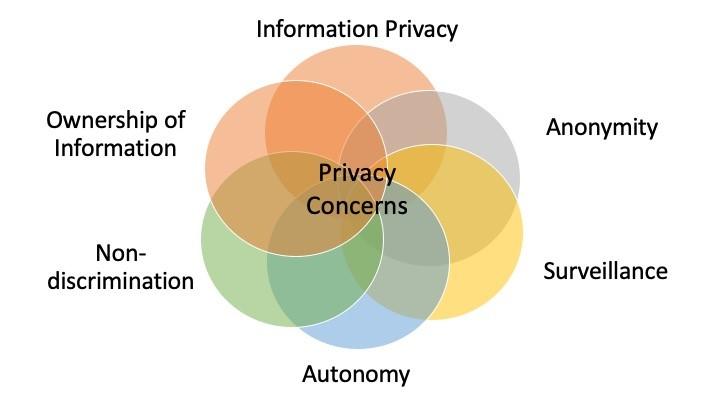
AI-powered learning platforms frequently enough collect and process massive amounts of personal student data. Ensuring data privacy is non-negotiable:
- Informed consent must be prioritized when collecting and utilizing student data.
- Education providers need to comply with regulations like FERPA, GDPR, and COPPA.
- Robust cybersecurity measures are essential to prevent data breaches and misuse of sensitive information.
3. Accountability and Transparency
as AI takes on a more significant decision-making role, defining accountability becomes paramount:
- Who is responsible when an AI system makes an unfair or incorrect decision—developers, educators, or administrators?
- Algorithms should be auditable and interpretable by stakeholders (teachers, students, parents).
- Clear guidelines and ethical review boards can definitely help uphold accountability standards in EdTech projects.
4. Equity and Accessibility
Ensuring AI-driven learning is accessible to all, nonetheless of socio-economic or physical barriers, is a critical ethical priority:
- Equal access to technology and reliable internet is essential to avoid deepening the digital divide.
- AI tools must be designed with inclusivity in mind for students with disabilities or special needs.
Real-World Case Studies: Lessons Learned
Case Study: Algorithmic Grading in the UK
In 2020, the UK government relied on an AI-backed algorithm to award grades in lieu of canceled exams due to the pandemic. Unfortunately,the model disproportionately downgraded students from disadvantaged backgrounds,sparking widespread protests and ultimately forcing a reversal.
- Lesson: Transparent, auditable AI systems and inclusive data are essential in high-stakes assessments.
Case Study: Adaptive Learning for Students with Disabilities
A US-based school district piloted an adaptive learning system that customized reading material difficulty. Early reports showed betterment in outcomes for students with learning disabilities, but highlighted the need for continuous human oversight to avoid reinforcing learning gaps.
- Lesson: Human educators should always remain part of the loop, ensuring AI recommendations align with each student’s unique needs.
Strategies for Navigating Responsibility and Fairness
To foster ethical AI integration in education, consider the following best practices:
- Ethical AI framework adoption: Develop and follow institution-wide guidelines for AI deployment.
- Bias audits: Regularly review datasets to identify and rectify potential sources of bias.
- Student and teacher input: Include diverse voices in the design and implementation process.
- Open interaction: Clearly explain to all stakeholders how AI decisions are made and how their data is used.
- Continuous professional development: Train educators on identifying and addressing AI shortcomings.
Practical tips for Schools and Educators
- Partner with AI vendors committed to transparency and responsible innovation.
- Establish an AI Ethics committee to guide major decisions and respond to community concerns.
- Regularly revisit and update privacy policies as technology and regulations evolve.
- Encourage students to voice concerns or anomalies noticed in how AI-driven tools work.
- Pilot new AI-driven systems in controlled, measurable ways before broader rollout.
conclusion: The Path forward
AI-driven learning carries tremendous promise, but its success depends on a sharp focus on ethics in AI education. By prioritizing fairness, responsibility, transparency, and student privacy, we can build educational systems that uplift every learner—rather than exacerbating inequalities. As the field continues to grow, the voices of educators, students, policymakers, and technologists must come together to ensure that artificial intelligence serves the best interests of all.
By staying vigilant on ethical considerations, adopting practical strategies, and learning from real-world experiences, education leaders can confidently navigate the evolving landscape of AI-driven learning and shape an equitable future for generations to come.