
Ethical Considerations in AI-Driven Learning: Navigating Responsibility and Student Privacy
Artificial Intelligence (AI) is rapidly transforming the educational landscape, making learning more personalized, efficient, and interactive. But as AI-driven learning solutions become increasingly popular, it is crucial to consider the ethical implications, especially regarding responsibility and student privacy. In this extensive article, we will delve into the key ethical considerations in AI-driven education, outline best practices, examine real-world case studies, and share actionable tips for educators and administrators.
Introduction: The Rise of AI-Driven learning in Education
AI-driven learning platforms—powered by refined algorithms—are revolutionizing the way educators teach and students learn.From automated grading systems to intelligent tutoring and adaptive assessments,these technologies promise a more engaging and efficient educational experience. However, their widespread use has brought ethical questions to the forefront, especially concerning responsible AI usage, student privacy, and data protection in education.
- AI in education: Customizes learning paths based on student performance.
- Ethical dilemmas: Concerns about fairness, transparency, and consent.
- Privacy concerns: Protection of sensitive student data from misuse.
Ethical Considerations in AI-Driven Learning
1. Responsibility and Accountability
Who is accountable for AI’s decisions? If a machine learning algorithm misjudges a student’s abilities or provides biased recommendations,the responsibility lies not only with the technology but also with educators,administrators,and technology providers. Key ethical considerations include:
- Algorithmic Transparency: AI systems should be transparent, explainable, and understandable to both teachers and students.
- Bias Minimization: Systems must be regularly evaluated to eliminate bias based on race,gender,socioeconomic status,or other personal characteristics.
- human Oversight: Educators should retain the final decision-making authority, ensuring that AI acts as a supportive tool, not a replacement.
2. Student Privacy and Data Protection
How is student data handled? AI-powered platforms collect vast amounts of personal information to personalize learning experiences. It is indeed critical to address privacy and security concerns:
- Consent and Control: Schools must obtain explicit consent from students and guardians before collecting or processing any personal data.
- Data Security: Implementation of robust security protocols to prevent unauthorized access, breaches, or data leaks.
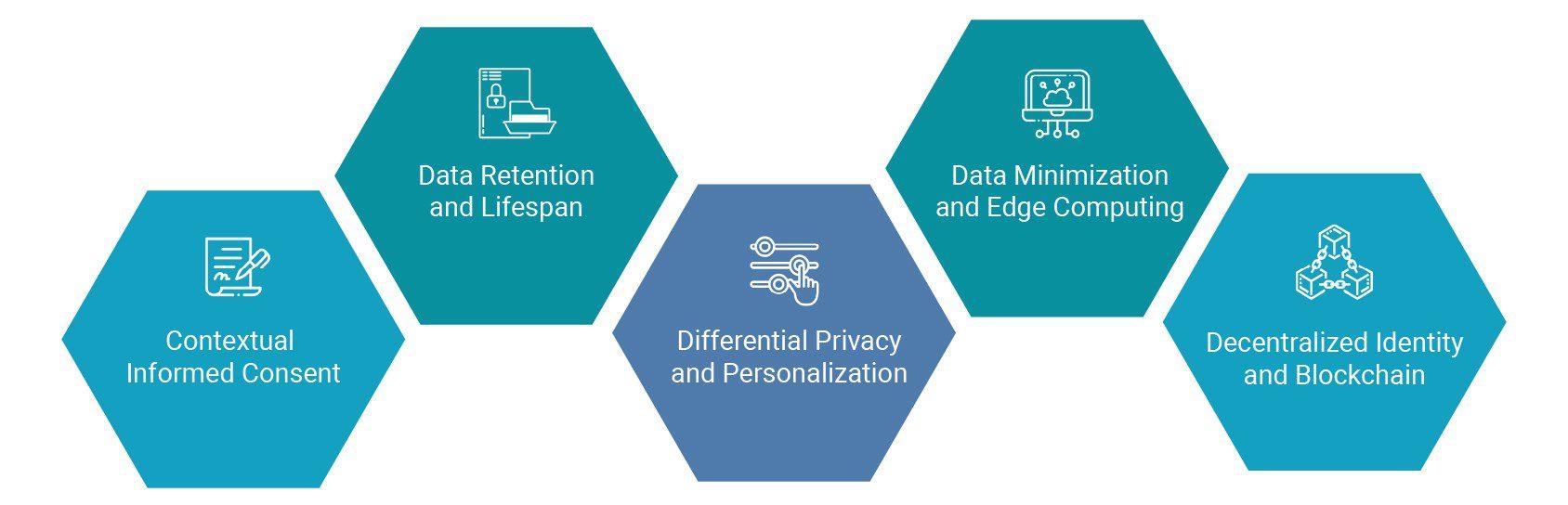
- Data Minimization: Collect only the data that is strictly necessary for the intended educational purpose.
- Compliance with Regulations: Adherence to relevant regulations such as GDPR (General Data Protection Regulation) for European institutions, FERPA (Family Educational Rights and Privacy Act) for U.S. schools, and others.
Benefits of Ethical AI in Education
Implementing ethical best practices in AI-driven learning not only safeguards student privacy but also enhances trust and promotes equitable education. Key benefits include:
- Personalized Learning: Tailored educational resources and pacing support individual student needs.
- early Intervention: AI analytics can flag students who need additional support,improving outcomes.
- Efficient administration: Automation reduces administrative burden,allowing educators to focus more on teaching.
- Improved Engagement: Interactive, adaptive learning keeps students motivated and invested in their education.
practical Tips for Navigating Ethical Concerns in AI-Driven Learning
- Conduct Regular Audits: Review AI systems for bias, security vulnerabilities, and compliance with privacy standards.
- Educate Stakeholders: Train teachers, students, and parents on responsible AI usage, data privacy, and security basics.
- Choose Trusted vendors: Select AI learning platforms with clear data privacy policies, transparency, and compliance certifications.
- Encourage Student Agency: Allow learners to review and correct their data, and opt out when appropriate.
- Establish Incident Response plans: Be prepared to respond swiftly to breaches or errors affecting student privacy or wellbeing.
Case Studies: Real-world Examples of Ethical Challenges and Solutions
Case Study 1: Bias in Automated Grading
At a large university,an AI-powered grading system was found to consistently grade essays written by non-native English speakers lower than those by fluent speakers. After investigation, it became clear that the algorithm was trained primarily on native-level writing, creating unintended bias. The university responded by incorporating a more diverse training set and adding human review for flagged grades, balancing efficiency with fairness.
Case Study 2: Data Breach in an E-Learning Platform
A popular e-learning platform experienced a data breach that exposed sensitive student profiles, prompting serious concerns about student privacy in AI-powered education. The incident lead to:
- Immediate notification to affected students and guardians
- Implementation of stronger encryption and multi-factor authentication
- Regular security audits and improved platform transparency
This case underscores the importance of robust data security protocols and a proactive approach to privacy protection.
Firsthand Experience: Educators on the Frontline
Many teachers and administrators have mixed experiences with AI-driven learning platforms. While the convenience and customization are highly valued, educators frequently enough express concerns about transparency, bias, and the lack of sufficient control over how student data is used. Here’s what a few have shared:
- Sarah, Middle School Teacher: “AI helps me identify struggling students faster, but I’m always worried about the accuracy of the algorithms and whether student data is safe.”
- James, School Administrator: “We work closely with technology vendors to ensure their systems comply with FERPA and prioritize student privacy. it’s an ongoing conversation, and there’s always room for advancement.”
Conclusion: Building a Responsible Future in AI-Driven Learning
As AI continues to shape the future of education, prioritizing ethical considerations—especially responsibility and student privacy—is critical to building trust and delivering equitable outcomes. By embracing transparency, reinforcing data security, and maintaining human oversight, educators and policymakers can confidently harness the potential of AI-driven learning while safeguarding their students’ welfare.
Ready to implement AI ethically? Ensure yoru school or institution has clear data privacy policies, continual training, and open interaction to create an inclusive, transparent, and secure educational environment. The responsible integration of AI in learning is not just a technological challenge but a moral imperative for the success of future generations.
Further Reading & Resources
- AI in Education: Ethical Considerations – edX
- AI Ethics in Education – EDUCAUSE
- Student Privacy and AI – Privacy.org
By integrating AI responsibly and ethically, we can ensure that technology in education enhances—not diminishes—the learning experience, while protecting what matters most: our students.