
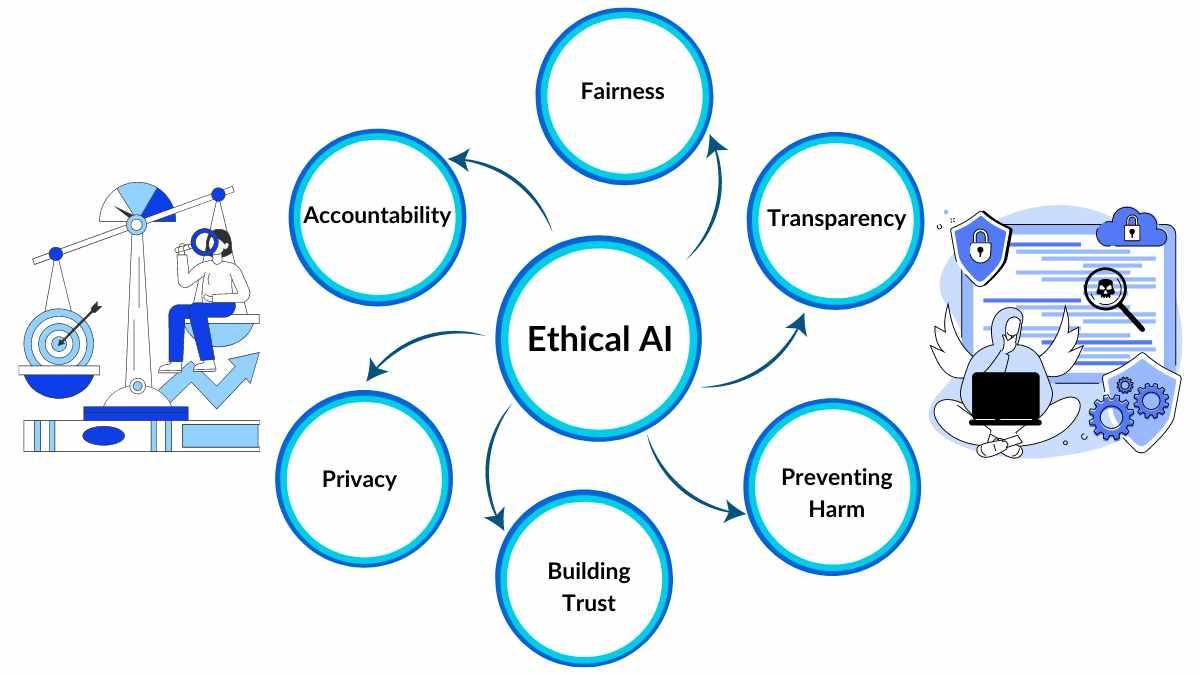
Ethical Considerations in AI-Driven Learning: Navigating Responsibility, Privacy, and Fairness
Artificial Intelligence (AI) is rapidly reshaping the landscape of education, transforming everything from personalized learning plans to administrative efficiency. However, as we integrate AI-driven learning platforms and smart tutoring systems into classrooms and remote learning environments, it becomes essential to navigate critical ethical considerations. In this article, we’ll delve into the key aspects of responsibility, privacy, and fairness in AI-powered education, and offer practical guidance for schools, educators, and EdTech developers seeking ethically sound solutions.
Why Ethics Matter in AI-driven Learning
the adoption of AI in education offers significant benefits:
- Customization: Tailored lesson plans and learning paths for every student.
- Scalability: Efficient resource management for classrooms and large institutions.
- assessment: enhanced testing and grading via machine learning algorithms.
- Accessibility: Supporting learners with disabilities through adaptive technology.
Yet with these advantages come challenges related to responsibility, privacy, and fairness—crucial pillars for the ethical deployment of AI in education. Addressing these issues ensures that technology enhances, rather than inhibits, human learning and social justice.
Navigating Responsibility in AI-Driven Education
The Principle of Human Oversight
AI-powered educational platforms autonomously recommend curricula,administer assessments,and monitor student engagement.Yet, who is ultimately responsible for decisions that affect learners? The principle of human oversight demands that:
- AI systems should augment—never replace—human judgement in crucial educational decisions.
- Educators must maintain accountability for student outcomes, even when using automated tools.
- Clear guidelines must be set so AI interventions are transparent and auditable.
In practise, teachers, administrators, and IT departments should routinely monitor AI recommendations and intervene as needed.Decision logs and audit trails can bolster clarity and answerability in cases where AI systems err or behave unpredictably.
safeguarding Student Data and Privacy
AI-driven learning platforms rely on extensive data collection, analyzing student behaviors, test scores, and even biometric facts to optimize learning experiences. This raises vital questions:
- How is student data collected, stored, and shared?
- What measures protect against unauthorized access or breaches?
- Are learners and parents aware of what data is being used and for what purpose?
Key Privacy Practices for AI in Education
- Informed Consent: clearly communicate to students and guardians how and why data is collected.
- Data Minimization: Collect only the data necessary for educational enhancement.
- Security Measures: Employ encrypted storage, strict access controls, and regular security audits.
- Compliance: Adhere to laws such as GDPR, FERPA, and other regional regulations.
Educational institutions should provide transparency dashboards, enable users to review and delete personal data, and ensure third-party EdTech vendors meet rigorous privacy standards.
Achieving Fairness and Equity in AI-powered Education
One of the most debated ethical considerations in AI-driven learning is fairness. Machine learning models can unintentionally amplify societal biases due to skewed training data or algorithmic limitations. Examples include:
- Predictive models favoring students from certain backgrounds.
- Bias in automated grading systems, impacting minorities or non-native speakers.
- algorithmic exclusion of students with disabilities from tailored recommendations.
How to Promote Fairness in AI-Driven Learning
- Implement regular bias audits and fairness testing for all AI algorithms.
- Engage diverse educators, students, and community members during AI system design.
- Provide explainable AI features that clarify decision logic for impacted users.
- Ensure that interventions are inclusive, supporting learners of all backgrounds and abilities.
Striving for equity and inclusivity must be at the heart of AI-focused education reform.
Case Studies: Ethical AI in Education
1. Adaptive Learning Platforms
Several universities have deployed AI-driven adaptive learning environments to improve retention rates. In one study, the platform’s advice system created gender and racial disparities. A subsequent review led to retraining the model with more balanced datasets and ongoing human oversight, resulting in demonstrably fairer outcomes.
2. Automated Grading Tools
High school teachers using AI grading software discovered that students with unconventional writing styles were unfairly penalized. Teachers collaborated with developers to introduce explainability modules and periodic human-in-the-loop reviews, reducing bias and ensuring equitable feedback for students.
3. AI-Enabled Language Learning
Language learning apps powered by AI can tailor instruction to varied proficiency levels. However, when privacy policies lacked transparency, parents raised concerns.App providers responded by revamping consent flows, restricting unnecessary data gathering, and improving user control over information.
Practical Tips to Navigate Ethical AI in Learning
- Review Regularly: Audit AI tools and algorithms for bias, privacy compliance, and accuracy.
- educate Stakeholders: Train teachers, students, and parents on the capabilities and limitations of AI in education.
- Foster Transparency: disclose how decisions are made, what data is collected, and whom it affects.
- Institute Feedback Loops: Enable users to flag concerns, suggest improvements, and request human intervention.
- Collaborate with Experts: Work with ethicists, engineers, and community representatives throughout AI adoption.
Conclusion: Building Trustworthy AI in Education
The rise of AI in learning environments offers tremendous potential—but only if it is aligned with ethical guidelines. By prioritizing responsibility, student privacy, and fairness, educational institutions and technology providers can ensure that AI-driven learning remains an empowering force for all.
Embracing transparent governance, equity-driven innovation, and participatory design creates a culture of trustworthy AI in education. Ultimately, putting ethical considerations at the forefront of AI-driven learning integrates cutting-edge technology with core human values—paving the way for a smarter, fairer, and more inclusive future.