
Ethical Considerations in AI-Driven Learning: navigating Risks and Responsibilities in Education
AI-driven learning is rapidly transforming the educational landscape, offering vast opportunities for personalized learning, data-driven insights, and improved outcomes. However, with this innovation comes a host of ethical considerations that educators, administrators, and technologists must navigate carefully. Understanding the ethical risks and responsibilities associated with deploying artificial intelligence in education is critical for fostering environments that are not only technologically advanced but also equitable,safe,and respectful of individual rights.
table of Contents
- Introduction to AI in Education
- Key Ethical Considerations in AI-Driven Learning
- Balancing the Benefits and Risks
- Case Studies: Real-World Lessons
- Practical Tips for Promoting Ethical AI in Education
- Conclusion: Building Trustworthy AI-Driven Learning Environments
Introduction to AI in Education
The integration of artificial intelligence (AI) in education is redefining customary teaching and learning methodologies. From adaptive learning platforms and smart tutoring systems to automated grading and predictive analytics, AI enhances efficiency, enables personalized learning paths, and supports teachers with real-time data.
Despite these advancements, the intersection of AI technology and education also brings forth complex questions regarding data privacy, bias, accountability, and the role of human educators. As AI becomes more entrenched in the classroom, it is imperative to prioritize ethical AI adoption to create inclusive, responsible, and trustworthy educational ecosystems.
Key Ethical Considerations in AI-Driven Learning
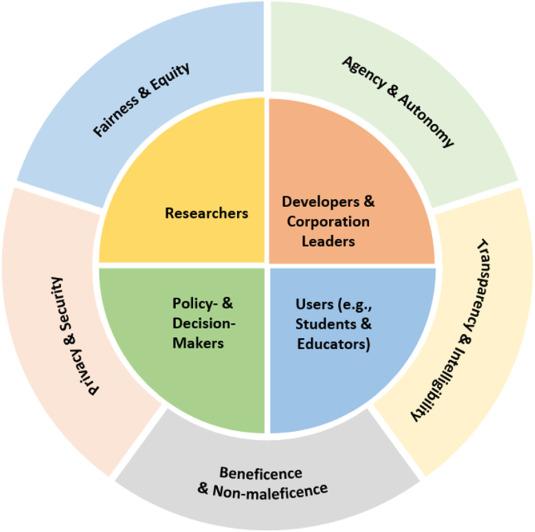
AI-driven learning tools introduce several ethical challenges that must be thoughtfully managed. Here are some of the most critical considerations:
1. Data Privacy and Security
- Student Data collection: AI-driven systems rely on vast amounts of student data (e.g., academic performance, behavior analytics) to operate effectively. Protecting this sensitive data from unauthorized access and breaches is paramount.
- Consent and Clarity: It’s essential to obtain informed consent from students and guardians before data collection, clearly outlining what data will be gathered, how it will be used, and the measures in place for protection.
2. Algorithmic Bias and fairness
- Inherent Biases: AI algorithms may unintentionally perpetuate biases present in training data, leading to unfair outcomes, especially for historically marginalized student groups.
- Inclusive Design: Developers must apply equitable design principles and regularly audit AI systems for potential bias, ensuring fairness in educational opportunities.
3. Transparency and Explainability
- Understanding Decisions: AI-driven assessments and recommendations should be explainable to educators, students, and parents to build trust and facilitate meaningful feedback.
- Black Box Systems: Highly complex AI models can sometimes make decisions that are tough to interpret. Prioritizing transparency helps ensure accountability and informed decision-making.
4. Accountability and Obligation
- Shared Liability: Educational institutions, technology providers, and policymakers all share responsibility for the ethical use of AI in education.
- Policy Frameworks: Robust governance policies should be implemented to address misuse, errors, or harm caused by AI-driven learning tools.
5.The Role of Teachers and Human Judgment
- Complementary, Not Replacement: While AI can assist and enhance teaching, it should not replace the essential role of human educators in fostering creativity, critical thinking, and emotional intelligence.
- professional Development: Ongoing training empowers teachers to understand, leverage, and critically evaluate AI-driven systems in their classrooms.
Balancing the Benefits and Risks of AI-Driven Learning
When implemented responsibly, AI-driven learning offers numerous benefits:
- Personalized Learning Experiences: Adaptive algorithms tailor content and pace to individual student needs.
- Time Savings for Educators: Automated grading and intelligent content generation free up time for more meaningful interactions.
- Early Intervention: Predictive analytics identify students at risk, enabling timely support.
- Expanded Accessibility: AI-powered tools can break down language, sensory, or learning barriers for diverse student populations.
However, these benefits must be balanced against the potential risks outlined above. Prioritizing ethical design, implementation, and ongoing evaluation is essential for maximizing positive outcomes and minimizing harm.
Case Studies: Real-World Lessons
Case Study 1: Algorithmic Bias in Student Admissions
Several high-profile cases have highlighted how AI systems used in university admissions can amplify existing inequalities. One notable example is the use of AI grading systems in the UK, where an algorithm inadvertently downgraded students from less-privileged backgrounds in 2020. The fallout showcased the need for diverse training data and human oversight in high-stakes educational decisions.
Case Study 2: Protecting Student Privacy in the US
In the United States,the Family Educational Rights and Privacy act (FERPA) sets strict guidelines for student data privacy. US schools deploying AI must navigate FERPA compliance, ensuring data is securely stored, accessed only by authorized personnel, and used for purposes clearly communicated to families.
Case Study 3: Explainable AI in K-12 Classrooms
Some school districts in Scandinavia have pioneered the use of “explainable AI,” requiring vendors to provide transparency on how AI reaches its recommendations. These policies have fostered greater trust among parents and teachers and improved the overall quality of AI-driven learning interventions.
Practical Tips for promoting Ethical AI in education
Adopting responsible AI practices in education is a collaborative effort. here are actionable strategies for schools, developers, and policymakers:
- Engage stakeholders: Involve teachers, parents, students, and the local community in the selection and deployment of AI systems.
- Prioritize Data Minimization: Collect only the data necessary for the educational task, and establish clear data retention/deletion policies.
- Regular Audits: Conduct periodic, independent evaluations of AI tools for bias, effectiveness, and security vulnerabilities.
- Transparent Communication: use clear, accessible language when discussing AI’s capabilities and limitations with users.
- Ongoing Professional Development: Invest in teacher training to ensure educators are equipped to use and critique AI systems effectively.
- Adopt International Standards: Leverage guidelines from organizations such as UNESCO and the European Commission for trustworthy AI in education.
Conclusion: Building Trustworthy AI-driven Learning Environments
AI’s transformative potential in education is undeniable, but it must be guided by a robust ethical framework to ensure safe, fair, and effective learning experiences for all students. By proactively addressing issues such as privacy, bias, transparency, and accountability, educators and developers can foster environments where technology enhances—not hinders—prospect and growth.
As AI-driven learning continues to evolve, ongoing vigilance, open dialog, and a commitment to ethical principles will be essential in navigating risks and fulfilling our shared responsibilities in education. Together, we can harness AI’s power to create brighter, more equitable futures for learners everywhere.