
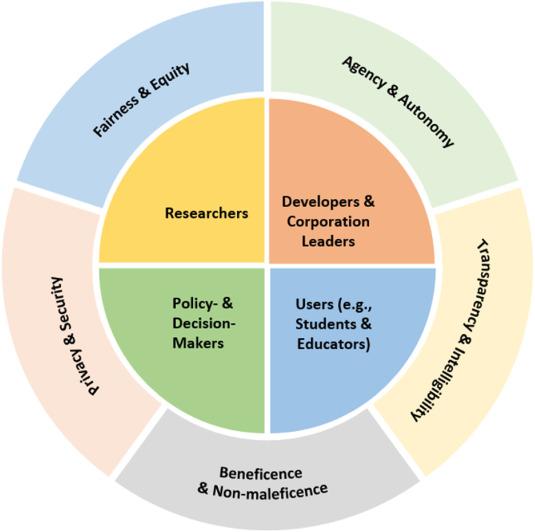
Ethical Considerations in AI-Driven Learning: Navigating Risks and Responsibilities in Modern Education
Artificial intelligence (AI) is transforming the landscape of education, making learning experiences more personalized, engaging, and efficient. As AI-driven learning platforms rapidly integrate into classrooms and online environments, educators, students, and policymakers are faced with crucial ethical considerations. How can we harness the power of AI in education while ensuring fairness, privacy, and inclusivity? In this comprehensive guide, we delve into the ethical challenges, risks, and responsibilities associated with AI-driven learning and explore strategies for responsible implementation.
Table of Contents
- Why Ethics Matter in AI-Driven Learning
- Key Ethical Challenges in AI-Powered Education
- Benefits of AI-Driven Learning
- Best Practices for Navigating Risks & Ensuring Duty
- Real-World Case Studies: Lessons Learned
- Conclusion
Why Ethics Matter in AI-Driven Learning
AI technologies have the potential too positively disrupt education, from adaptive learning software to AI-powered tutoring systems. However, when left unchecked, these systems can inadvertently reinforce bias, breach privacy, or limit access to quality education. Ethical considerations ensure that AI in education empowers all students while protecting their rights and fostering a fair learning surroundings.
Key Ethical Challenges in AI-Powered Education
While AI’s capabilities are advancing at unprecedented rates, so too are concerns regarding its use in schools and universities. Below are some of the central ethical risks facing AI-driven learning today:
-
Data Privacy & Security:
- AI systems collect and analyze vast amounts of student data, from learning patterns to personal identifiers.
- Improper handling can lead to data breaches,identity theft,or unauthorized surveillance.
- Compliance with regulations like GDPR, FERPA, and the Children’s Online Privacy Protection Act (COPPA) is mandatory but complex.
-
Algorithmic Bias & Fairness:
- AI models may inherit or amplify biases present in their training data, leading to unfair academic recommendations or assessments.
- Socioeconomic and cultural disparities can be perpetuated rather than mitigated if algorithms are not carefully monitored.
-
Transparency & Explainability:
- Many AI systems, particularly deep learning models, act as “black boxes,” making it hard to understand how decisions are made.
- Lack of transparency undermines trust among students, parents, and educators.
-
Equitable Access to AI Technologies:
- There is a pronounced digital divide—students in under-resourced regions or schools may have limited access to AI-powered learning tools.
- This can further entrench educational inequality unless addressed proactively.
-
Autonomy and Human Oversight:
- Overreliance on automated educational systems might diminish the role of human teachers.
- There are concerns about students’ right to challenge or appeal AI-powered decisions.
Benefits of AI-Driven Learning
despite ethical challenges, AI in education offers immense benefits when implemented responsibly:
- Personalized Learning: AI-powered platforms adjust coursework and recommendations to match individual student learning styles and paces, promoting deeper understanding and academic achievement.
- Efficient Administrative Tasks: Automating grading, attendance, and scheduling allows educators to focus more on teaching and mentorship.
- Enhanced Accessibility: AI-driven tools can support learners with disabilities through speech recognition, real-time translation, and adaptive interfaces.
- Real-Time Feedback: Instant, tailored feedback helps students correct misunderstandings and reinforces mastery of concepts.
- Data-Driven Insights: Educators and administrators can leverage analytics to identify gaps, predict student outcomes, and intervene proactively.
Best Practices for Navigating Risks & ensuring Responsibility
to foster ethical AI-driven learning, educational organizations should adhere to these actionable best practices:
1. Establish Robust Data Governance Policies
- Audit all AI tools for compliance with local and international data privacy laws before adoption.
- Implement strict access controls and train staff on secure data handling procedures.
- Offer clear, accessible privacy notices to students and guardians, outlining what data is collected and how it’s used.
2. Implement Bias Mitigation Protocols
- Regularly review algorithms for potential bias using diverse, representative datasets.
- Include feedback mechanisms for students and teachers to report perceived unfairness or inaccuracy in AI-driven results.
3. promote Algorithmic Transparency
- Choose vendors that provide explainable AI solutions, allowing stakeholders to understand decision-making logic where possible.
- Document and disclose the objectives, limitations, and training data sources for each AI system used in the classroom.
4. Ensure Equitable Access
- Allocate resources to bridge the digital divide, such as providing hardware and internet access for underprivileged students.
- Favor open-source or low-cost AI educational platforms to ensure cost is not a barrier.
5. Center Human Oversight & Agency
- Empower teachers to override AI-generated recommendations or assessments.
- Maintain clear processes for appeals and human review of AI decisions affecting students’ academic trajectories.
Real-World Case Studies: Lessons Learned
Case Study 1: AI-Driven Grading at a US University
In 2022, a large university piloted AI-powered essay grading to streamline assessment. While the algorithm sped up grading and reduced human bias in some instances, it also misjudged essays from non-native English speakers, underscoring the risk of algorithmic bias. The university responded by introducing manual review for outlier results and retraining algorithms on more diverse datasets.
Case Study 2: Adaptive Learning Software in Rural Classrooms
A public school district adopted adaptive AI learning platforms to personalize instruction. Though, unreliable internet access and lack of devices for low-income students led to widening achievement gaps. In response, the district partnered with local organizations to provide free Wi-Fi hotspots and loaner laptops, ensuring all students could benefit from AI-driven learning equally.
First-Hand Perspective: Teacher’s View on AI in the Classroom
“AI systems have helped me identify students who need extra support sooner than before,” says Ms.Johnson, a high school math teacher. “But I always read flagged reports personally before reaching out to students. I believe human judgment and empathy are critical for turning AI’s insights into meaningful action.”
conclusion
As AI continues to revolutionize classrooms worldwide, it brings both extraordinary promise and pressing ethical challenges. Navigating the ethical considerations in AI-driven learning requires a balance of innovation, vigilance, and collective responsibility. By prioritizing data privacy, fairness, transparency, access, and human oversight, educators and policymakers can ensure that artificial intelligence serves as a powerful ally—upholding the values of inclusivity and integrity at the heart of modern education.
Embracing a proactive, ethical approach to AI in education not only safeguards students’ rights but also paves the way for more effective, engaging, and equitable learning experiences for all.