
Ethical Considerations in AI-Driven Learning: Navigating Risks, Bias, and Responsible Innovation
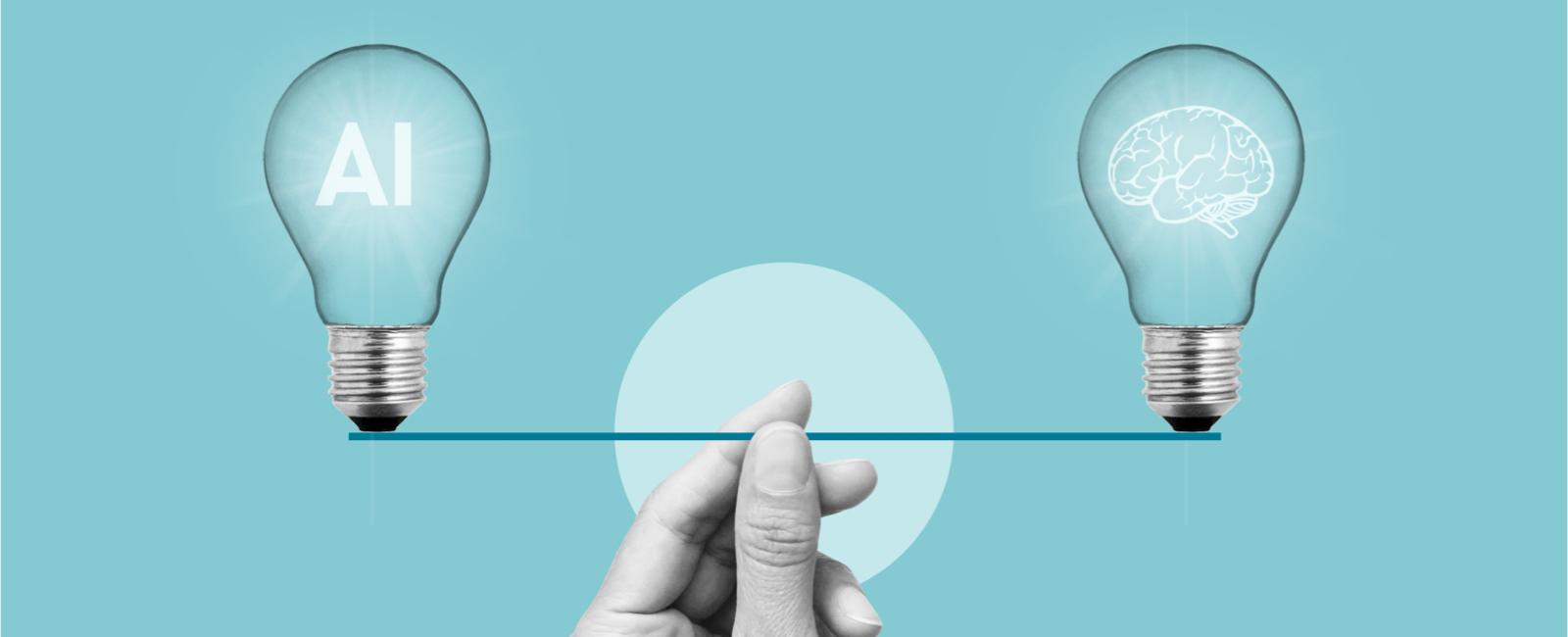
Artificial Intelligence (AI) is transforming education, creating unprecedented opportunities for personalized learning, efficiency, and innovation. Tho, the integration of AI in educational environments introduces complex ethical considerations that must not be overlooked. Addressing issues such as data privacy, algorithmic bias, and responsible AI use is crucial to fostering trust and ensuring that AI-driven learning remains fair and beneficial for all learners. Let’s dive deep into the ethical implications of AI in education, and outline strategies for navigating risks, mitigating bias, and fostering responsible innovation.
Understanding AI-Driven Learning
AI-driven learning refers to the use of artificial intelligence technologies—such as machine learning,deep learning,and natural language processing—to enhance educational experiences. These systems power adaptive learning platforms, intelligent tutoring systems, and automated assessment tools, personalizing instruction and analyzing student performance in real time.
Key benefits of AI-Driven Learning
- Personalization: Tailored educational content increases student engagement and improves outcomes.
- Efficiency: Automates administrative and grading tasks, allowing educators to focus more on teaching.
- Real-Time feedback: immediate analysis helps students address gaps and progress at their own pace.
- Accessibility: Assistive technologies powered by AI can help students with disabilities and non-native speakers.
Ethical Challenges in AI-Driven Education
While the potential of AI in learning is immense, it comes with significant ethical considerations that must be systematically addressed:
1. Data Privacy and Security
- Student Data Collection: AI systems require vast amounts of personal and learning data,raising concerns about how this sensitive data is collected,stored,and used.
- Consent and Openness: Institutions must ensure students and parents are informed about data collection practices and have control over their personal information.
- data Security: Preventing unauthorized access and misuse of data is paramount in maintaining trust.
2.Algorithmic Bias and Fairness
- Biased Training Data: AI models trained on unrepresentative datasets can perpetuate existing biases related to race,gender,socioeconomic background,and more.
- Unfair Outcomes: Unintentional bias can result in unequal opportunities, inaccurate assessments, and exclusion of marginalized students.
- Transparency in Decision-Making: Lack of explainability makes it harder to identify and correct bias in AI-generated outcomes.
3. accountability and Duty
- Human Oversight: Ensuring educators and administrators remain in control of critical decisions, rather than deferring to algorithms entirely.
- Clear Governance Policies: Institutions need robust frameworks to manage, monitor, and audit AI applications in education.
4. Impact on Pedagogy and Student Autonomy
- Over-reliance on AI: Excessive automation may erode teachers’ roles and undermine students’ agency in their own learning process.
- Digital Divide: disparities in access to technology may further entrench educational inequalities.
Strategies for Ethical and Responsible AI Innovation
To navigate these challenges, educators, policymakers, and developers must adopt a multi-faceted, ethical approach to AI-driven learning:
Develop Transparent AI Models:
- Use explainable AI (XAI) techniques to ensure decisions are understandable by educators, students, and parents.
Audit AI Systems for Bias:
- Regularly review datasets and algorithms to identify and mitigate sources of bias.
Prioritize Inclusive Design:
- Engage a diverse group of stakeholders during the advancement process to ensure AI tools meet the needs of all learners.
Enhance Data Privacy Mechanisms:
- Follow best practices for encryption, data anonymization, and secure data management.
Promote AI Literacy:
- Train educators and students to understand AI systems, their benefits, and their limitations.
Implement Strong Governance Policies:
- Set up clear policies regarding AI use, including protocols for accountability, redress, and stakeholder engagement.
Case Studies: Ethical AI in Education
Examining real-world examples helps illustrate both the pitfalls and best practices associated with ethical AI in learning:
Case Study 1: Bias in Automated Admissions
In 2020, an algorithm was developed to automate university admissions in the UK, relying heavily on past data. Sadly, it was later discovered that the system had reinforced inequalities by downgrading students from less privileged backgrounds. The public backlash led to the withdrawal of the AI system and increased calls for transparency and fairness in educational AI applications.
Case Study 2: Personalized Learning Platforms
Several EdTech companies have created AI-powered adaptive learning platforms that tailor educational content to individual student needs.Through continuous auditing, inclusive data collection, and robust privacy measures, these platforms have demonstrated how responsible innovation can unlock AI’s potential while minimizing ethical risks.
Practical Tips for Stakeholders
- For Educators: Promote awareness about the ethical use of AI and stay informed about the systems implemented in your institution.
- For Students and Parents: Ask questions about data collection and usage, and request easy-to-understand explanations for AI-driven decisions.
- For Developers: Prioritize fairness, transparency, and privacy in every stage of AI development, and proactively seek feedback from diverse users.
- For Policymakers: Collaborate with experts to regulate AI in education, ensuring all tools are audited for ethical compliance.
Conclusion: Redefining Learning Through Ethical AI Innovation
AI-driven learning is revolutionizing education, offering immense benefits but also introducing significant ethical considerations around data privacy, algorithmic bias, and accountability. To harness the full potential of AI in education, it is critical for all stakeholders—educators, developers, students, parents, and policymakers—to work collaboratively. Responsible innovation,rigorous policies,and ongoing vigilance are essential to create equitable,trustworthy,and effective AI-driven learning environments. By prioritizing ethics, we can navigate the risks, neutralize bias, and ensure AI transforms education for the better—benefiting all learners, today and into the future.