
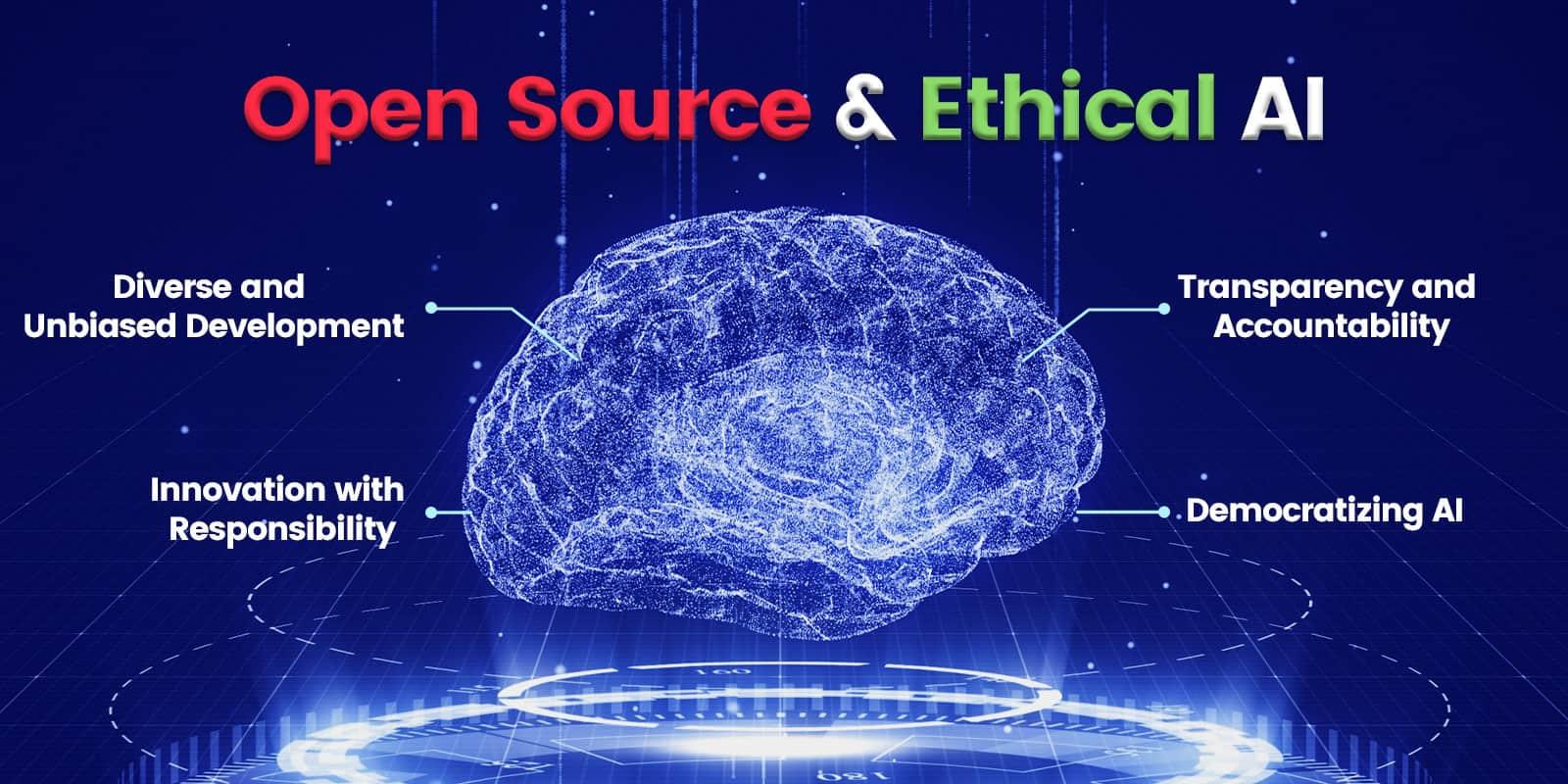
Ethical considerations in AI-Driven Learning: Protecting Privacy, Fairness, and Accountability
As artificial intelligence (AI) becomes increasingly embedded in educational technology, the promise of AI-driven learning to personalize education and improve student outcomes goes hand in hand with complex ethical challenges. Key among these concerns are the protection of privacy, assurance of fairness, and maintenance of accountability in educational AI systems. In this article, we dive deep into the essential ethical considerations in AI-driven learning, offering insights for educators, developers, policymakers, and learners who want to embrace innovation responsibly.
Table of Contents
- Introduction to AI in Education
- Privacy in AI-Driven Learning
- Fairness and Bias Mitigation
- Accountability and Transparency
- Benefits of Ethical AI in Education
- Case Studies: Real-World Examples
- Practical Tips for Ethical AI Implementation
- Conclusion
Introduction to AI in Education
Artificial intelligence is transforming how students learn and teachers instruct. From personalized learning platforms that adapt content in real-time to clever tutoring systems, AI-powered educational tools can analyse vast datasets to tailor curriculum, assess performance, and offer recommendations. However, the depth and granularity of data collected raise urgent questions on student privacy, potential biases in algorithms, and the accountability of AI decisions. Engaging with these ethical considerations is critical as education increasingly relies on intelligent technologies.
Privacy in AI-Driven Learning
Student data is at the heart of most AI in education applications. Ethical AI implementation demands robust measures to safeguard student privacy.
Why privacy Matters
- Sensitive Nature of Educational Data: AI systems often access grades, behavioral records, learning patterns, and even biometric data.
- Potential for Misuse: Inadequate controls can lead to data breaches, identity theft, or unauthorized profiling.
- Legal Requirements: Regulations like COPPA, FERPA, and GDPR set clear requirements for data protection in educational contexts.
Best Practices for Data privacy in AI Learning Environments
- Utilize data minimization: Collect only data essential for learning outcomes.
- Apply anonymization and encryption techniques for stored and transmitted data.
- Ensure transparent data policies that clearly explain what data is collected and how it is used.
- Obtain informed consent from students and guardians before data collection and AI interactions.
- Conduct regular security audits and update protocols in line with evolving threats.
fairness and Bias Mitigation
One of the major ethical risks in AI-powered learning systems is the possibility of perpetuating or even exacerbating biases present in data or algorithm design.
How Bias Occurs in Educational AI
- Data Bias: Training AI on incomplete or unrepresentative datasets can disadvantage certain groups.
- Algorithmic Bias: Algorithms may learn to favor certain answers,behaviors,or demographics over others.
- Feedback Loops: Personalized recommendations may reinforce existing gaps, denying diverse perspectives.
Mitigating Bias in AI-Driven Learning
- Use diverse and representative datasets for training (demographics, learning styles, etc.).
- Regularly monitor and evaluate outcomes for different learner cohorts.
- establish clear guidelines for non-discriminatory algorithm design.
- Include human oversight and the option for appeals against automated decisions.
accountability and Transparency
Who is responsible when an AI-powered system makes a mistake, such as misgrading a student or recommending inappropriate learning content? Accountability in AI-driven education ensures that mistakes can be traced, explained, and corrected.
Strategies for Enhancing AI Accountability
- Transparent Decision-Making: Use interpretable AI models or provide post-hoc explanations for vital decisions.
- Documentation & Audit trails: Maintain records of how AI models are built, trained, and updated.
- clear Governance Structures: Define roles for AI ethics teams, school administrators, and technology partners.
- User Feedback Channels: Allow students, parents, and teachers to challenge or report issues with AI outcomes.
Benefits of Ethical AI in Education
Embracing privacy, fairness, and accountability offers a host of benefits to educational institutions deploying AI:
- Trust and Adoption: Ethical conduct fosters trust among students, parents, and educators, leading to higher acceptance of AI solutions.
- Better Learning Outcomes: Fair and unbiased systems ensure all learners benefit equally from AI-driven personalization.
- Reduced Legal and Reputational Risk: Adhering to privacy and data protection laws protects institutions from costly penalties and damage.
- Continuous Improvement: Transparency and accountability support ongoing refinement of AI technologies in response to feedback.
Case Studies: Real-World Examples
Case Study 1: Biometric Data in Exam Proctoring
in 2020, several universities deployed AI-driven proctoring tools to monitor exams during remote learning. These tools collected facial recognition and eye movement data to detect cheating.Unfortunately, students raised concerns about privacy violations and algorithmic biases—some students with darker skin tones reported inaccuracies that flagged them unfairly. This led to public outcry, revisions in policy, and in some cases, withdrawal of the tools.
Case Study 2: Adaptive Learning and Socioeconomic Bias
An adaptive learning platform in primary schools personalized reading material based on AI analysis. However, students from underrepresented socioeconomic groups were consistently assigned less challenging materials due to implicit bias in the training data, leading to slower academic progress. The developers addressed this unfairness by retraining the algorithms and involving diverse educators in the redesign process.
Case study 3: Transparent Feedback in Automated Grading
A school district introduced AI-driven essay grading software.To ensure accountability, all automated scores were reviewed by teachers and flagged essays were manually checked. The combined approach allowed efficient grading while upholding fairness and transparency, reducing errors and bias accusations.
Practical Tips for Ethical AI Implementation
Integrating ethical considerations in AI-driven learning environments shoudl be a core priority for any institution or developer. Here’s how you can ensure responsible usage:
- Form a cross-disciplinary ethics committee to oversee AI projects in education.
- Conduct regular bias and privacy audits of your AI systems,involving external reviewers for increased trust.
- Provide ongoing training for staff and students on digital literacy, data privacy, and AI ethics.
- Enable opt-out or appeal mechanisms for students who are uncomfortable with AI-driven decision-making.
- Engage stakeholders—including parents, students, and educators— in the design and testing of AI-based educational technologies.
- Stay updated with regulations and ethical AI frameworks (e.g., OECD AI Principles, UNESCO Guidelines on Ethics of AI).
Conclusion
AI-driven learning offers transformational potential for personalized education, but institutions and developers have a duty to address the ethical challenges of privacy, fairness, and accountability. By following best practices, engaging stakeholders, and prioritizing transparency, the education sector can leverage AI to benefit all students while minimizing risks. As innovation accelerates, only a robust ethical foundation will ensure that AI in education is a tool for empowerment rather than division.