
Ethical Considerations in AI-Driven Learning: Safeguarding Education’s Future
Artificial Intelligence (AI) is rapidly transforming the educational landscape. With adaptive learning platforms,personalized assessments,and bright tutoring systems,AI-driven learning is making education more accessible and tailored then ever before. But as we embrace these technological advancements, it’s crucial to examine the ethical considerations in AI-driven learning. In this article, we explore the key issues, benefits, real-world examples, and practical tips to ensure that we are safeguarding education’s future.
Understanding AI-Driven Learning
AI-driven learning harnesses algorithms and data analysis to deliver personalized educational experiences. These intelligent systems can identify learning gaps,suggest resources,and even grade assignments. The benefits are compelling: greater efficiency, scalability, and inclusion for diverse learners. Though, the integration of AI into classrooms and educational software also raises vital ethical questions, especially regarding data privacy, algorithmic bias, transparency, and accountability.
Why Ethical Considerations in AI-Driven Learning Matter
As more educators, institutions, and EdTech companies adopt AI, the decisions made today shape how future generations learn.Ethically developed AI protects students’ rights, fosters trust, and ensures educational equity. Failing to address ethical concerns could lead to unintended consequences like discriminatory outcomes, loss of privacy, or manipulation of learners.
key Ethical Considerations
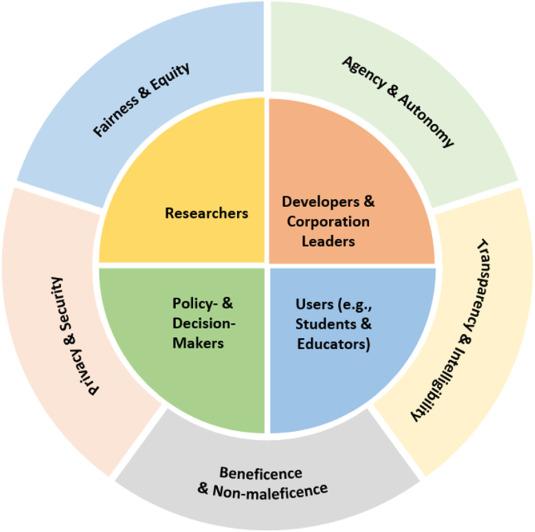
- Data Privacy and Security: AI systems require vast amounts of details to function effectively. Ensuring student data is protected from misuse or unauthorized access is paramount.
- Algorithmic Bias and Fairness: If AI models are trained on biased data, they can perpetuate or amplify existing inequalities in education.
- Transparency and Explainability: Educators and students must understand how AI decisions are made. Black-box systems can erode trust and hinder accountability.
- Accountability and Responsibility: Who is held responsible if an AI-driven system makes a harmful or unfair decision?
- Autonomy and Agency: Overreliance on AI should not diminish students’ or teachers’ autonomy in the learning process.
Privacy and Security in AI-Driven learning
With increased data collection comes increased risk. Student profiles, learning patterns, and even behavioral data are often collected and analyzed by AI-powered tools. Without strict safeguards, students’ personal information might potentially be exposed or exploited.
Best Practices for Safeguarding data
- Implement secure data storage and transfer protocols (e.g., encryption, secure cloud environments).
- Limit data collection to onyl what is necessary for educational purposes.
- Obtain explicit consent from students and guardians before collecting data.
- Provide easy opt-out options for students or parents.
- Comply with data protection laws (such as GDPR, COPPA, and FERPA).
Tackling Algorithmic Bias and Ensuring Fairness
AI systems are only as unbiased as the data they are trained on. If historical data contains biases—such as gender, racial, or socioeconomic disparities—AI-powered learning tools may reinforce these biases, leading to unfair grading, resource allocation, or even exclusion.
Strategies for Reducing Bias in AI-Driven Education
- Continuously audit and test AI systems for disparate impacts.
- use diverse and representative training datasets.
- Engage stakeholders (students, educators, ethicists) in AI development and deployment.
- Establish clear guidelines for fairness and inclusivity.
Promoting Transparency and Explainability
Students and teachers should not be left in the dark about how their AI tools function. Transparency builds trust and allows users to question or challenge AI-made decisions.
How to Increase AI Transparency in Education
- Use AI models with explainable outputs.
- Provide clear documentation and user guides for both teachers and students.
- Facilitate open communication about what data is collected and how it is indeed used.
- Involve third-party auditing to verify claims about the AI’s functionality and decisions.
Accountability and Human Oversight
AI should empower educators, not replace them. Human oversight remains essential. When AI-driven learning systems make errors or controversial decisions—such as misgrading a test or recommending inappropriate content—there must be mechanisms in place to review, appeal, and correct these outcomes.
Recommendations for Accountability in AI in Education
- Establish clear lines of accountability (developers, educators, administrators).
- Set up user-friendly channels for reporting issues or contesting AI-driven decisions.
- Incorporate regular audits and updates to AI algorithms.
Benefits of Ethical AI in Education
When designed and implemented responsibly, AI-driven learning can be a powerful force for good. Here are some key benefits of ethical AI in education:
- Enables personalized learning that adapts to individual student needs.
- Provides scalable solutions for diverse and underserved populations.
- Increases efficiency for teachers by automating administrative tasks.
- Enhances accessibility for students with different abilities or learning styles.
- Improves data-driven decision making for institutions.
Case Studies: Ethical AI in Action
1. IBM Watson Education
IBM’s AI education platform is designed with privacy and security in mind. The company uses robust encryption and complies with strict data protection regulations. Regular bias audits help ensure fairness in its recommendations.
2. Squirrel AI Learning (China)
As one of the world’s largest AI-powered adaptive learning platforms, Squirrel AI incorporates educator feedback and transparency features, allowing teachers and students insight into how recommendations are generated.
3. OpenStax Tutor
This adaptive learning system provides teachers with full control over AI-suggested content and interventions.OpenStax also promotes open-source transparency for its users.
Practical Tips for Educators and Institutions
- Engage in Continuous professional Development: Stay informed about the latest AI tools and their ethical implications.
- Foster Digital Literacy: Teach students to question and critically analyze AI-driven decisions.
- Advocate for Transparent AI Policies: Demand clear explanations and opt-out mechanisms from EdTech vendors.
- Participate in the AI Design Process: Involve users—students and teachers—in the development and feedback loops of AI systems.
- Prioritize Inclusivity: Ensure all learners have equal access and prevent AI from marginalizing or disadvantaging minority groups.
The Road Ahead: safeguarding Education’s Future
The ethical considerations in AI-driven learning will continue to evolve as technology advances.It’s up to all stakeholders—developers, educators, policymakers, and students—to proactively address these challenges. By implementing best practices and holding ourselves accountable, we can ensure AI strengthens, rather than undermines, the values at the core of education.
Conclusion
AI-driven learning offers a world of potential for educators and learners alike, but these possibilities come with significant ethical responsibilities. By prioritizing data privacy, reducing bias, ensuring transparency, and maintaining human oversight, we can create a more equitable, inclusive, and trustworthy learning environment. As we unlock the full promise of artificial intelligence in education, safeguarding the rights and interests of all learners must remain our highest priority.