
Ethical Considerations in AI-Driven Learning: Safeguarding Fairness, Privacy, and Transparency
In recent years, AI-driven learning has swiftly transformed the educational landscape.From personalized study experiences to predictive analytics, artificial intelligence in education promises unparalleled benefits. However, as technology advances, it brings forth critical ethical considerations that educational institutions, teachers, and developers must address—specifically around fairness, privacy, and transparency. This complete guide explores these vital issues and provides actionable strategies to ensure ethical AI deployment in education.
Table of Contents
- What is AI-Driven Learning?
- The Benefits of AI-Driven Learning
- Why Ethics Matter in AI-Powered Education
- Safeguarding Fairness in AI-Driven Learning
- Protecting Student Privacy
- Ensuring Transparency in AI Systems
- Practical Tips for Ethical AI in Education
- Case Study: AI Ethics in Action
- Conclusion: Building an Ethical AI Learning Future
What is AI-Driven Learning?
AI-driven learning leverages artificial intelligence technologies—including machine learning, natural language processing, and data analytics—to personalize educational experiences.From adaptive learning platforms to bright tutoring and automated grading, AI is transforming how we teach and learn.
- Personalization: Tailors content and pace to individual student needs.
- Automation: Streamlines administrative and assessment processes.
- Data-Driven Insights: Provides real-time analytics for improved educational outcomes.
The Benefits of AI-driven Learning
Integrating AI in education yields numerous advantages when implemented responsibly:
- Improved Engagement: Interactive,adaptive tools keep students motivated.
- Personalized Feedback: Instant, targeted feedback fosters deeper understanding.
- Resource Optimization: Automates mundane tasks, freeing educators’ time for teaching.
- Accessibility: Supports students with disabilities via tailored resources and assistive technologies.
Why Ethics Matter in AI-Powered Education
While AI offers transformative potential, notable ethical concerns must be addressed to avoid unintended harm. Algorithmic decisions can reinforce pre-existing biases, compromise student privacy, or lack transparency—undermining trust and educational outcomes. Proactive ethical considerations in AI-driven learning are essential to align technology with core educational values.
Safeguarding Fairness in AI-Driven Learning
Fairness is the cornerstone of ethical AI in education. Unintended bias in data or algorithms can unfairly disadvantage certain groups of students. Here’s how to promote fairness:
Understanding Algorithmic Bias
- Training data Bias: AI systems learn from historical data.If datasets reflect societal or institutional biases, these can be perpetuated or amplified.
- Outcome Disparity: Biased algorithms may unfairly assess, track, or recommend students based on demographic factors.
Best Practices for Fairness
- Diverse Data Collection: Ensure datasets represent all student groups, including minorities and those with disabilities.
- Regular Algorithm Audits: Continuously review AI models for signs of unfair or biased outputs.
- Stakeholder Involvement: Involve students, parents, and educators in the design and evaluation of AI tools.
Adhering to these practices can help achieve equitable outcomes in AI-powered learning environments.
Protecting Student Privacy
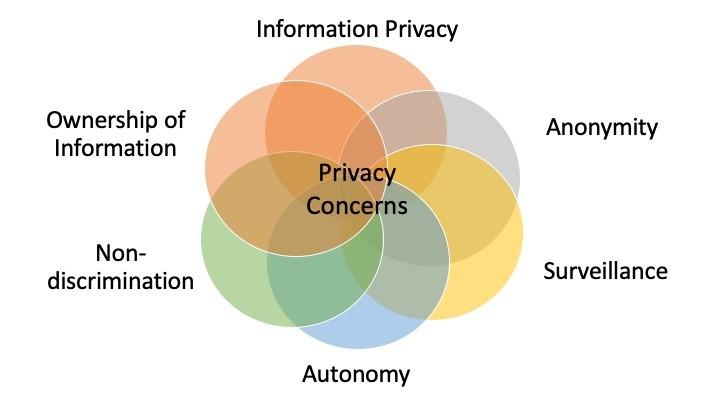
AI applications in education rely on extensive student data—from learning behaviors to biometric facts. Safeguarding privacy must be a top priority to prevent unauthorized access and misuse.
Key Privacy Risks
- Data Over-Collection: collecting and storing more student information than necessary can increase vulnerability.
- inadequate Consent: Students and families may not be fully informed about what data is collected or how it’s used.
- Third-party Sharing: Data shared with external vendors or partners poses further privacy challenges.
Privacy Protection Strategies
- Data Minimization: Collect only essential information. regularly review and purge obsolete data.
- Informed Consent: explain data collection practices in clear, understandable terms.
- Robust Security Measures: Use encryption, access controls, and thorough security audits.
- Compliance: Adhere to laws like COPPA and GDPR, plus local data privacy regulations.
Ensuring Transparency in AI Systems
Transparency is vital to building trust in AI-driven educational tools. Teachers, students, and parents should understand how AI makes decisions in learning environments.
Transparency Best Practices
- Explainable AI: Implement models whose decisions can be easily interpreted by non-experts.
- Clear Communication: Provide accessible explanations of how and why AI systems make choices related to grading, recommendations, or assistance.
- User Control: Allow students and educators to override or appeal AI-generated outcomes.
Obvious approaches empower users, foster trust, and reduce the risk of misunderstanding or misuse.
Practical Tips for Ethical AI in Education
Practitioners, developers, and policymakers can advance ethical AI in schools and higher education by following these tips:
- Ethical Guidelines: Adopt and continually update formal guidelines and policies for the responsible use of AI in education.
- Ongoing Training: Train educators and IT staff in AI ethics, privacy, and fairness considerations.
- Inclusion: Engage diverse student voices and community representatives early in the AI system design process.
- Continuous Evaluation: Set up regular assessments for bias, effectiveness, and privacy protection in deployed systems.
- Feedback Loops: Provide channels for users to report concerns or errors in AI functionalities.
Case Study: AI Ethics in Action
Consider the deployment of an AI-powered learning platform at a large urban high school district.The system aimed to personalize instruction and flag at-risk students for additional support.
- After early adoption, administrators noted disparities in recommendations, with minority students being flagged more often for remediation.
- A subsequent audit revealed that the training data skewed towards past underperformance of minority groups, introducing systemic bias.
- The district responded by diversifying data sources, engaging community stakeholders, and refining algorithms with transparency and fairness audits built-in.
The outcome? Restored trust, improved student outcomes, and a powerful reminder that ethical vigilance is vital for success with AI in education.
Conclusion: Building an Ethical AI Learning Future
AI-driven learning holds tremendous promise for personalized, effective, and scalable education. But realizing this promise requires prioritizing ethical considerations—especially fairness, privacy, and transparency. By committing to responsible AI advancement and deployment, educational institutions can protect students, foster trust, and create inclusive, equitable opportunities for every learner.
Whether you are a school leader, developer, or educator, staying informed and proactive is the key to making AI a transformative—and ethical—force in the classroom. The future of education will be shaped by the choices we make today.