
Ethical Considerations in AI-Driven Learning: Safeguarding Integrity in Digital Education
Artificial Intelligence (AI) is revolutionizing the world of education, unlocking new pathways for personalized learning, automated assessments, and data-driven insights. However, as AI-driven learning becomes increasingly prevalent, it’s critical to address the ethical considerations in AI-driven learning to safeguard integrity in digital education. This complete guide explores key concerns, benefits, best practices, and real-world examples, offering practical tips to nurture trust and transparency in this rapidly evolving educational landscape.
understanding the Rise of AI-Driven Learning
AI technologies are increasingly shaping digital education by providing personalized experiences, automating administrative tasks, and offering adaptive feedback tailored to individual learners. These advancements help educators identify knowledge gaps and design targeted interventions. However, the adoption of AI in education introduces critical ethical issues that must be navigated with care to protect students, teachers, and institutions alike.
- Personalized Learning: AI analyzes student performance and customizes content delivery to boost engagement and achievement.
- Automated Grading: Machine learning algorithms provide real-time feedback and streamline the assessment process.
- Predictive Analytics: AI identifies at-risk students to enable early interventions.
while these benefits enhance learning outcomes,they also raise questions around privacy,fairness,and accountability in AI-powered digital education.
Key Ethical Considerations in AI-Driven Learning
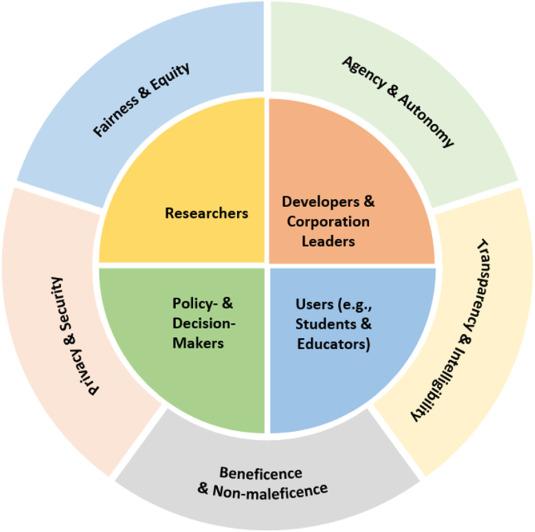
As AI-driven learning tools proliferate, educators and policymakers must consider the following ethical challenges to ensure the integrity of digital education:
1. Data Privacy and Security
- Student Data Protection: AI systems process massive amounts of sensitive student facts. Ensuring robust data privacy standards and transparency over data usage is essential.
- Secure Storage: Data breaches may expose confidential student records, so strong encryption and secure storage protocols are necessary.
- Consent: Learners and guardians should understand how their data is collected, processed, and shared.
2. Algorithmic Bias and Fairness
- bias in AI Models: If AI algorithms are trained on biased datasets, they can inadvertently perpetuate stereotypes and inequalities.
- Inclusive Design: Developers must scrutinize AI learning models to promote equity and avoid discriminatory outcomes.
3. Transparency and Explainability
- Black Box Dilemma: Manny AI systems operate as “black boxes,” making it hard for educators and learners to understand their decision processes.
- Explainable AI: clear documentation and accessible interfaces empower users to make informed decisions and challenge unjust outcomes.
4. Accountability and Responsibility
- Clear Oversight: Human oversight is crucial—educators must monitor AI recommendations and intervene when necessary.
- Shared Responsibility: Developers, educational institutions, and policymakers must collaborate to set ethical standards for AI-driven education.
5. Educational Integrity and Authenticity
- Preventing Malpractice: The use of AI can inadvertently facilitate cheating or plagiarism via automated content generation.
- Safeguarding Assessments: rigorous oversight and plagiarism detection systems help maintain academic honesty.
Benefits of Ethical AI in Digital Education
Despite challenges, ethical considerations pave the way for enduring and responsible AI-driven learning environments. Key benefits include:
- Increased Trust: Ethical frameworks foster confidence among students, parents, and teachers.
- Inclusivity: Bias-free AI helps ensure all learners have equal opportunities for success.
- improved Decision-Making: Obvious AI systems enable better educational outcomes and policies.
- Empowerment: Students gain agency over their educational journeys when privacy and fairness are prioritized.
Best Practices for Safeguarding Integrity in AI-Powered Learning
here are practical strategies to address ethical concerns and maintain the integrity of digital education:
- Implement Robust Privacy Policies: Establish clear, accessible privacy statements and adhere to data protection regulations like GDPR or FERPA.
- Audit Algorithms Regularly: Conduct fairness audits and bias detection to ensure equitable outcomes.
- promote Transparency: Provide documentation and explanations of AI decision-making processes to users.
- monitor and Evaluate: Continuously assess AI system effectiveness and ethical compliance through stakeholder feedback.
- Offer Ethical Training: Educators should be trained to understand, oversee, and critically evaluate AI learning tools.
- Foster Inclusive Design: Involve diverse voices in the design and development of AI education systems.
- Ensure Human Oversight: Combine automated and human-lead assessments to mitigate risks and validate fairness.
Case studies: Navigating Ethics in AI-Driven Education
Examining real-world examples helps demystify the ethical challenges and illustrate their resolution in practical settings:
Case Study 1: Addressing algorithmic Bias in Admissions
A major university deployed an AI system to assist admissions decisions, but it was later revealed that the algorithm disproportionately disadvantaged minority applicants. By publicly disclosing the issue, retraining the model on more diverse datasets, and introducing human oversight for final decisions, the institution improved both fairness and transparency—setting a precedent for responsible AI use in higher education.
Case Study 2: Protecting Student Privacy
An online learning platform came under scrutiny for using student data to personalize ads. While the platform claimed to improve learner engagement, students and parents raised privacy concerns. After consulting with legal experts and revising their data use policies to prohibit targeted advertising, the platform regained user trust and increased retention rates.
Case Study 3: Combining Human and AI Assessment
A K-12 district adopted automated essay grading to reduce teacher workload. Though, educators noticed the AI sometimes missed context and nuance in students’ work.By integrating teacher review with AI assessments, the district achieved more accurate grading and preserved educational integrity.
Practical Tips for Ethical Implementation of AI in Digital Education
- Engage Stakeholders Early: Involve educators, students, and IT leaders from the outset to identify concerns and establish trust.
- Establish an Ethics Committee: set up an internal board to oversee AI deployment and enforce ethical standards.
- Promote Digital literacy: Educate students about AI and encourage critical thinking regarding automated systems.
- Regularly Review Policies: Update privacy, security, and fairness policies as AI technology evolves.
Conclusion: Building trustworthy AI-Driven Learning Ecosystems
The integration of artificial intelligence in digital education holds immense promise, but only when coupled with strong ethical considerations can we truly safeguard integrity in the learning process. By fostering transparency, promoting fairness, protecting privacy, and ensuring human oversight, educators and technologists can turn AI-driven learning into a trusted, empowering experience for all learners. As AI continues to evolve, a proactive, collaborative approach to ethics will ensure digital education remains inclusive, responsible, and resilient to future challenges.
For those in the education sector, regularly reflecting on and updating ethical guidelines isn’t just best practice—it’s essential for nurturing the next generation of responsible digital citizens.