
Ethical Considerations in AI-Driven Learning: Safeguarding Privacy, Equity, and Integrity
AI-driven learning solutions are reshaping education, revolutionizing personalized instruction, assessment methods, and student engagement. With advancements in artificial intelligence (AI), schools, universities, and edtech companies must navigate complex ethical challenges—especially those tied to privacy, equity, and integrity. By understanding and addressing these concerns, stakeholders can harness the full potential of AI in education while safeguarding learner welfare and institutional values.
Introduction: The Rise of AI in Education
From adaptive learning platforms to automated grading systems, AI-powered educational technologies promise tailored experiences that can identify individual strengths and weaknesses, making learning more effective than ever before. However, as institutions deploy these powerful tools, ethical concerns become increasingly paramount.
- How are student data protected?
- Are AI-driven systems promoting fairness and inclusivity?
- Do these technologies maintain academic integrity?
This comprehensive guide examines the key ethical issues at play and offers actionable advice for integrating AI responsibly into educational contexts.
Understanding Ethical Risks in AI-Driven Learning
1. Safeguarding Privacy
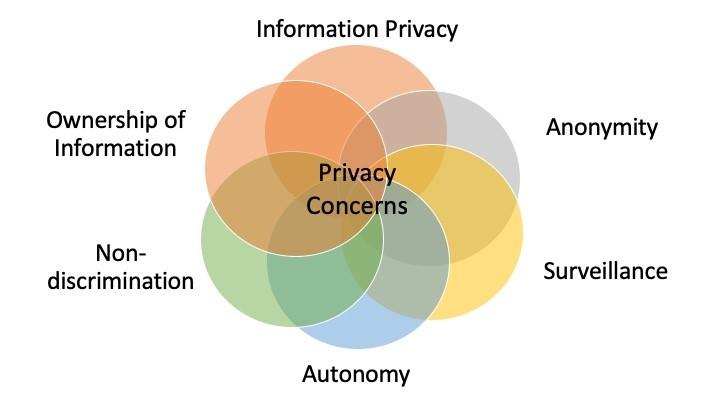
AI systems in learning environments depend heavily on student data collection—from performance analytics to behavioral monitoring. While this data powers personalized content, it also raises important privacy risks:
- data Security: Sensitive information stored in cloud-based AI solutions can be vulnerable to cyberattacks, unauthorized access, or data leaks.
- Informed Consent: Students and parents frequently enough lack clarity on what data is collected,how it’s used,and whether it might be shared with third parties.
- Compliance: Educational organizations must comply with regulations like the General Data Protection Regulation (GDPR) and FERPA, which mandate strict guidelines for data handling.
Balancing innovation with privacy protection is critical for earning trust and minimizing harm.
2. Ensuring equity in AI-Led Education
One of the promises of AI is to democratize access to high-quality education. Yet,these systems can inadvertently perpetuate inequality if not designed thoughtfully:
- Algorithmic Bias: AI reflects the assumptions embedded in its data. If datasets are incomplete or biased, outcomes may disadvantage underrepresented groups in academic assessments or learning recommendations.
- accessibility: Students with disabilities or those from marginalized communities may face barriers if AI tools lack inclusive design and multilingual support.
- Resource Disparity: Not every institution has the means to implement advanced AI,deepening gaps between affluent and under-resourced schools.
To deliver truly transformative learning, AI-driven platforms must be intentionally inclusive in both design and deployment.
3. Maintaining Academic Integrity
AI-enabled learning tools are increasingly used for grading,plagiarism detection,and even essay writing. These advances bring crucial benefits but also test the boundaries of academic honesty:
- Automated Cheating: Students may attempt to game AI-based assessment systems or use generative AI tools for assignments, challenging traditional standards of integrity.
- Fair Automated Evaluation: Errors in AI grading, such as misinterpreting creative or complex answers, can undermine student trust and challenge fair assessment.
- Detection vs. Encouragement: Overdependence on surveillance tools may foster a climate of mistrust instead of nurturing a culture of ethical learning.
Educators and administrators must balance technological efficiency with a commitment to responsible scholarship.
Benefits of Addressing Ethical Considerations in AI-Driven Learning
While the challenges are significant,proactively addressing ethical considerations yields powerful advantages:
- Trust and Adoption: Transparent ethical policies build institutional trust,encouraging buy-in from students,parents,and teachers.
- Improved Outcomes: Ethical AI design supports equitable achievement, fostering a sense of belonging and growth among diverse learners.
- Regulatory Compliance: Adhering to privacy and security laws prevents costly fines and public relations setbacks.
- Future Readiness: Organizations prepared to manage ethical risks are better positioned for technological innovation.
Best Practices for Ethical AI Integration in Education
Institutions can take concrete steps to minimize risks and foster ethical AI adoption:
- Implement Transparent Data Policies: Clearly communicate data practices and empower users to control their own information.
- Conduct Regular Bias Audits: Evaluate AI algorithms for hidden prejudice, involving diverse stakeholders in the process.
- Design for Accessibility: Ensure that tools accommodate users with varying abilities and socio-economic backgrounds.
- Promote Digital Literacy: Educate students and educators about ethical AI use,privacy,and integrity concerns.
- Monitor and Improve: Continuously assess AI system performance using user feedback and external audits.
Case Studies: Ethical AI in Action
Case Study 1: Data-Driven Personalization at a Leading University
A major European university implemented a robust AI platform for adaptive learning. To address privacy, the institution:
- Obtained explicit consent for data collection.
- Enforced data anonymization, ensuring no personal identifiers in reports.
- Conducted annual security audits to identify vulnerabilities.
consequently, student satisfaction with privacy protection improved, and learning outcomes became more tailored to individual needs.
Case Study 2: Inclusive Design in Public Schools
An urban school district used AI tools to support English learners and students with disabilities. By hiring accessibility consultants and translating interfaces into multiple languages, the district:
- Boosted engagement among marginalized groups.
- Reduced classroom inequalities linked to technology access.
This proactive approach heralded a model for ethical, inclusive AI deployment in diverse educational settings.
Practical Tips for Educators and Institutions
- Ask the Right Questions: Before adopting an AI tool, inquire about its privacy practices, algorithm transparency, and accessibility features.
- Involve Stakeholders: Engage students, parents, and teachers in technology decisions to ensure diverse perspectives are considered.
- Stay Informed: Keep abreast of evolving AI regulations and industry standards.
- Foster an Ethical Culture: Encourage open conversation around digital ethics, privacy, and integrity in all learning environments.
Conclusion: The Path Forward for AI in Education
Ethical considerations in AI-driven learning are far more than technical checkboxes—they are essential to safeguarding the dignity, rights, and futures of all learners. By prioritizing privacy, equity, and integrity, educational institutions can deploy transformative technology responsibly, fostering trust and achieving sustainable success. As AI continues to shape classrooms and campuses worldwide, persistent vigilance, collaboration, and empathy will remain our most valuable tools for navigating the future of learning.