
Ethical considerations in AI-Driven Learning: Safeguarding Privacy, Equity, and Trust in Education
Artificial Intelligence (AI) has rapidly transformed the education landscape, powering personalized learning, automating administrative tasks, and providing insightful analytics for educators and learners. Though, with these advancements come critical ethical considerations in AI-driven learning—especially concerning privacy, equity, and trust in education. As educational institutions and EdTech developers embrace AI, it’s essential to prioritize ethical best practices to ensure technology empowers, rather than jeopardizes, educational experiences for all.
The Importance of Ethics in AI-Driven Education
Ethical AI in education extends beyond technical proficiency.It is about creating learning environments where students’ data is protected, learning opportunities are distributed fairly, and trust is established between technology, educators, and learners. Ignoring these ethics can lead to unintended biases, data misuse, and a loss of confidence in educational technologies.
Key Ethical Issues in AI-Driven Learning
1. Safeguarding Student Privacy
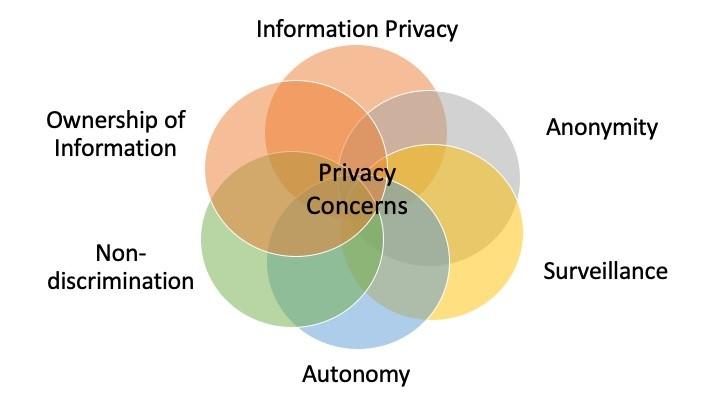
AI-powered education systems frequently enough collect vast amounts of student data—ranging from academic performance and behavioral patterns to biometric data. This sensitive facts necessitates robust privacy protections to prevent misuse and data breaches. Key privacy concerns include:
- Data Security: Ensuring data is encrypted, securely stored, and protected against unauthorized access.
- Transparency: Clearly informing users what data is collected, how it is used, and who has access.
- Compliance: Adhering to global privacy laws such as FERPA, GDPR, and local data protection regulations.
- Consent: Gaining explicit, informed consent from students and guardians regarding data usage.
2. promoting Equity in AI-Driven Learning
Inequity can unintentionally be amplified by AI systems due to biased training data or algorithmic limitations. Equitable AI implementation in education must be central to any ethical discussion:
- Bias Mitigation: Ensuring AI models are trained on diverse datasets to avoid reinforcing social, racial, or linguistic biases.
- Access: Addressing the digital divide by making AI-powered tools accessible nonetheless of socioeconomic status, ability, or location.
- Adaptability: Designing resources and curricula that adapt to diverse learning needs—supporting students with disabilities or non-native speakers.
3. Building Trust with Stakeholders
Trust is foundational for any accomplished educational technology. To foster trust, transparency, accountability, and explainability are essential in AI-driven learning platforms:
- Transparency: Showcasing how AI makes decisions—such as,how it grades or recommends learning content.
- Accountability: Establishing mechanisms for students and educators to challenge, appeal, or review AI-driven outcomes.
- Explainability: Offering clear explanations for AI recommendations, ensuring they are interpretable by teachers, students, and parents.
Benefits of Ethical AI in Education
Proactively addressing ethics in AI for education brings multiple benefits to schools, teachers, and learners:
- Fosters a secure and supportive learning surroundings.
- Ensures fair access to AI-driven resources and opportunities.
- Builds and maintains trust among students, educators, and parents.
- Reduces legal and reputational risks for educational institutions and EdTech providers.
- Enables continuous betterment and responsible innovation in education technology.
Best Practices for Implementing Ethical AI in Education
Below are practical tips for integrating ethical AI in educational settings:
- Conduct thorough ethical impact assessments before deploying AI tools.
- Engage diverse stakeholders—including students, parents, educators, and ethicists—in the AI implementation process.
- Update and audit algorithms regularly to identify and minimize bias or unfair outcomes.
- Offer professional development for educators on the effective, ethical use of AI technologies.
- Draft clear privacy policies and obtain informed consent for data collection and use.
- promote AI literacy among students to empower them as informed, responsible technology users.
Case Studies: Ethical AI in Action
Case Study 1: Personalized Learning at Scale
A large public school district in Europe adopted an adaptive learning platform powered by AI to personalize math instruction. Prior to launch, stakeholders analyzed the platform for privacy compliance (GDPR), removed identifiable data, and reviewed the training datasets for demographic representation.
Result: Clear communication about data use and consistent equity audits led to improved engagement and trust among students and families.
Case Study 2: Bias Reduction in Automated Grading
An EdTech company piloted an AI-powered essay grading tool.Concerns about bias against non-native English speakers prompted the company to retrain their models using more linguistically diverse data. They also enabled a human override feature, allowing teachers to review and adjust AI-generated grades.
result: The platform’s transparency, human-in-the-loop features, and commitment to fairness received positive feedback from educators and students alike.
Voices from the Classroom: Firsthand Experiences
“AI-powered tutoring has revolutionized individualized learning in my classroom, but the biggest challenge is ensuring that families trust these tools with their children’s data. Our school prioritizes transparency by inviting parents to information sessions about privacy and AI.”
Looking Forward: The Future of Ethical AI in Education
As AI-driven learning in education continues to evolve,so too must our ethical frameworks. Advancements in AI present exciting possibilities for personalized education but also introduce complexities as new forms of data are generated and processed. Building a culture of ethical awareness, proactive policy-making, and continuous improvement is vital to harnessing AI’s power for good in schools and universities worldwide.
Conclusion: Putting Ethics First in AI-Driven Learning
Ethical considerations in AI-driven learning are essential for building private, equitable, and trustworthy educational ecosystems. By prioritizing robust privacy protections, ensuring equitable access and outcomes, and fostering trustworthy relationships between technology, educators, and learners, we can unlock the full potential of AI while minimizing harm. As we move forward, the commitment to ethical AI is not just a best practise—it’s a responsibility to the next generation of learners.