
ethical Considerations in AI-Driven Learning: Safeguarding Students and Data in Education
Meta Description: Explore teh ethical considerations in AI-driven learning, focusing on how educational institutions can safeguard students and sensitive data. Learn about privacy, openness, benefits, challenges, and practical tips for responsible AI use in education.
Introduction
Artificial Intelligence (AI) is revolutionizing the field of education, from personalized learning experiences to automating administrative tasks. As AI-driven learning platforms proliferate in classrooms, universities, and online educational hubs, the excitement over improved outcomes comes hand-in-hand with pressing ethical considerations.
How can educational institutions harness the power of AI responsibly, safeguarding both students and critical data?
In this article, we’ll delve into the fundamental ethical issues surrounding AI in education, discuss the benefits and practical challenges, share experiences, and provide actionable tips to ensure responsible, clear, and safe AI adoption.
Understanding AI-Driven Learning in Education
AI-driven learning refers to the use of artificial intelligence technologies—to analyze student data, adapt lessons in real-time, predict learning outcomes, and even power clever tutoring systems. From platforms like Duolingo to complex data-driven tools in higher education, AI augments the capabilities of educators and customizes content for individual learners.
- Adaptive learning platforms: Tailor content dynamically to student needs
- Automated assessment tools: Provide instant feedback and grading
- Learning analytics: Help teachers track progress and intervene proactively
- Chatbots & virtual assistants: Answer student questions and facilitate self-paced learning
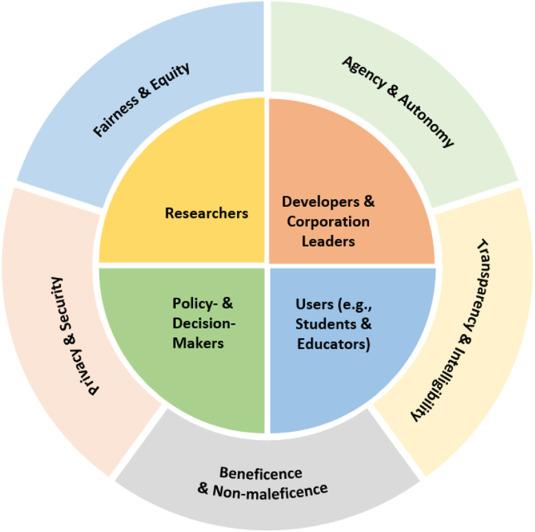
Key Ethical Considerations in AI-Driven Learning
1. Data Privacy and Protection
AI systems in education rely heavily on student data: academic records, behavioral analytics, attendance, and even biometric details. The collection and processing of this sensitive information raises paramount ethical and legal questions.
- Data security: Robust encryption and secure data storage are essential to prevent breaches and unauthorized access.
- Consent: Students and their guardians should be informed about data use and must provide explicit, informed consent.
- Compliance: Adhering to regulations like FERPA (Family Educational Rights and Privacy Act) in the USA or GDPR in Europe is crucial.
“Educational AI must balance innovation with the privacy of its youngest users. Data misuse can erode trust and lead to serious consequences.” – Education Ethics Council
2.Algorithmic Bias and Fairness
AI algorithms may inadvertently perpetuate existing biases present in training datasets.For students, this can translate to unequal learning opportunities or inadvertently discriminatory outcomes.
- Representative datasets: Ensure that datasets used to train AI systems reflect diverse populations.
- Transparency: Institutions should explain how algorithms make decisions, promoting fairness and accountability.
- Regular audits: Conduct periodic reviews to identify and correct biased outcomes.
3. Transparency and Explainability
Students and educators should understand how AI models arrive at recommendations or decisions. Lack of transparency can undermine trust.
- Explainable AI: prefer systems that offer clear justifications for their outputs.
- Open communication: Keep stakeholders informed about the AI tools in use and their intended purpose.
4.Student Autonomy and Human Oversight
while AI can automate and support learning, it should never replace the critical role of human educators.
- Augmentation over replacement: Use AI as a tool—not a replacement—for teachers.
- Preserving agency: Enable students to opt out or override automated decisions when appropriate.
5.Equity of Access
Not all students have equal access to the digital resources required to leverage AI in education. Addressing this “digital divide” is a core ethical concern.
- Resource allocation: Prioritize hardware and internet access for underserved populations.
- Inclusive design: Develop AI tools that work effectively across diverse devices and connectivity standards.
The Benefits of Ethical AI in Education
Despite its challenges, when implemented responsibly, AI in education offers transformative benefits:
- Personalized learning: Adapts content to the unique strengths and needs of each student
- Efficiency: Frees up educators to focus on mentorship and deep learning
- Early intervention: Flags academic struggles before they escalate
- Accessibility: Supports students with disabilities through assistive technologies
Ethical frameworks ensure these benefits are distributed broadly and safely, supporting the mission of inclusive and forward-thinking education.
Case Studies: Ethical AI in Practice
Case study 1: MIT’s Responsible AI Implementation
Massachusetts Institute of Technology (MIT) integrated an AI tutoring application into select undergraduate courses. The platform included:
- Stringent data anonymization protocols
- Transparent algorithmic decision-making reports sent to faculty
- Regular external audits to ensure fair outcomes for all demographics
The result? Improved course completion rates and positive feedback from both students and staff about data privacy measures.
Case Study 2: UK School District’s Data Ethics Charter
A school district in England established a Data Ethics Charter before rolling out AI-powered analytics. Features included:
- Parent-teacher workshops explaining AI processes
- Student opt-in mechanisms for data sharing
- Equity audits conducted every semester
Diversity and fairness improved, contributing to greater trust and community engagement.
Practical Tips for safeguarding Students and Data in AI-Driven Education
- Choose ethical AI vendors: Only partner with technology providers who share your commitment to privacy, security, and fairness.
- educate faculty, students, and families: Run frequent training sessions about AI tools, risks, and safeguards.
- Establish clear data governance policies: Detail who can access,modify,and share student data—and ensure transparency.
- Appoint ethics and compliance officers: Having dedicated personnel for data and AI ethics can proactively address risks.
- Encourage student feedback: Invite students to share their experiences and concerns about AI-powered learning.
- Audit regularly: Make self-reliant assessments of your AI systems to detect and rectify biases or security vulnerabilities.
First-Hand Experiences: Voices from the Classroom
Dr. Angela Roh, a technology integration specialist, reflects:
“Our school’s move to an AI-driven assessment platform was seamless in terms of user experience. But our biggest learning curve was understanding and communicating data privacy to parents and students. The transparency training we did upfront made all the difference in building trust and enthusiasm.”
Alex, High School Student:
“I like how the AI tutor knows what I struggle with and helps me work on those topics. My main worry is were all my learning data goes.Knowing I can ask questions about how my info is used makes me feel safer.”
Conclusion: The Future of Responsible AI in Education
As AI becomes increasingly embedded in educational environments, safeguarding students and data must remain a central priority. The ethical considerations in AI-driven learning—from data protection to fairness—require ongoing vigilance, robust policies, and open dialog.
By embracing responsible practices, educators can ensure AI’s immense potential benefits all students safely and equitably. As technology evolves, so too should our commitment to ethics, transparency, and the preservation of trust in the learning process.
Ready to make your institution a model of ethical AI in education? Start by reviewing your policies, empowering stakeholders, and prioritizing transparency every step of the way.