
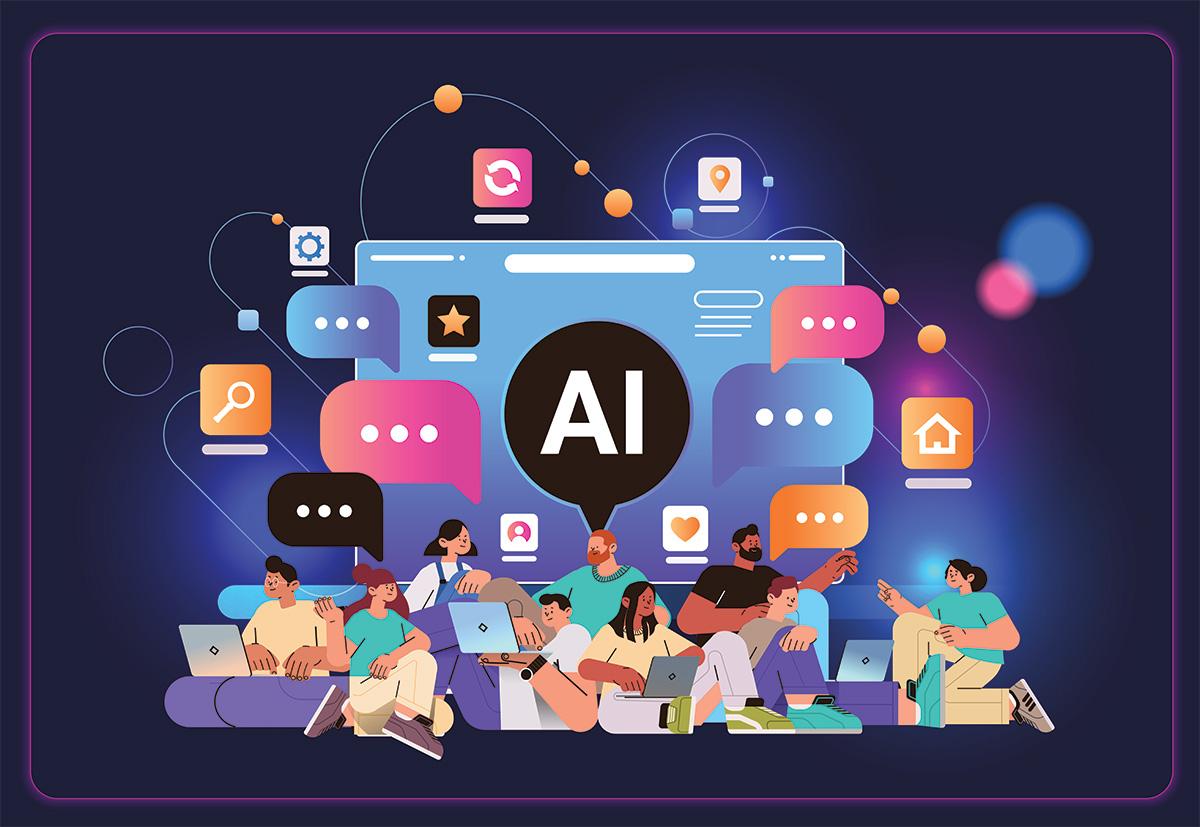
Ethical Considerations in AI-Driven Learning: Safeguarding students adn Ensuring Fairness
Meta Title: Ethical Considerations in AI-Driven Learning: Safeguarding Students and Ensuring Fairness
Meta Description: Explore the ethical considerations in AI-driven learning, focusing on student safety, fairness, and best practices for responsible deployment in education.
Introduction
Artificial Intelligence (AI) is rapidly transforming education. From personalized learning pathways to automated grading, AI-driven learning platforms are revolutionizing classrooms and empowering students. However, with such innovation comes profound ethical considerations—how can schools and educators safeguard students, ensure fairness, and protect privacy in a world where machines are making decisions? In this article, we dive deeply into the ethical implications of AI in education, offering practical tips for responsible implementation, reviewing real-world case studies, and highlighting strategies to create an equitable learning ecosystem.
Understanding AI-Driven Learning
AI-driven learning applies artificial intelligence technologies—like machine learning algorithms, natural language processing, and adaptive content delivery—to educational activities. These systems can:
- Analyze student data to tailor recommendations and support
- Automate assessment and feedback
- Identify learning gaps and suggest remediation actions
- Increase access to educational resources and experiences
The potential benefits are meaningful, including improved learning outcomes, greater student engagement, and efficient resource utilization. However, integrating AI into education is not without challenges—especially regarding ethics, privacy, and fairness.
Key Ethical Considerations in AI-Driven Learning
To responsibly leverage AI in classrooms and online platforms, stakeholders must address several core ethical issues:
1. Data Privacy and Student Safety
- Protecting sensitive information: AI platforms often require extensive student data to function effectively. Personal information,learning histories,and behavioral data are collected,raising concerns about privacy,consent,and potential misuse.
- Regulatory compliance: Adhering to standards like GDPR, COPPA, and FERPA is essential to keep students safe and data secure.
- Cybersecurity threats: As student data becomes more valuable, so does the risk of breaches and malicious access.
2. Ensuring Fairness and Equity
- algorithmic bias: AI systems trained on biased or unrepresentative datasets may reinforce stereotypes,disadvantage marginalized groups,and perpetuate inequities.
- Access disparities: Not all schools or students have equal access to AI-powered education, potentially widening the digital divide.
- Fair grading and assessment: Automated grading must be transparent, unbiased, and reviewed regularly to prevent unintended discrimination.
3. Clarity and Explainability
- Clear decision-making: Students and educators should understand how AI decisions are made—whether about content recommendations, assessments, or interventions.
- human oversight: AI should augment, not replace, human judgement in the classroom.
4. Consent and student Agency
- informed consent: Students and parents should know what data is being collected and how it will be used.
- Option to opt-out: Respect student and family decisions regarding participation in AI-driven programs.
Benefits of Ethical AI use in Education
When thoughtfully designed and implemented, ethical AI applications in learning offer substantial advantages:
- Personalized learning: AI adapts educational content to meet diverse student needs, driving higher engagement and achievement.
- Data-driven interventions: Early identification of at-risk students supports timely assistance and better outcomes.
- Efficient administration: Automating routine tasks frees educators to focus on instruction and relationship building.
- resource optimization: AI can help schools allocate materials, staff, and support where they are most needed.
- Scalable access: AI-powered tools can make high-quality education accessible to students in remote, underserved regions.
“Ethical AI enables inclusive, student-centered learning where every child can thrive—if we design for fairness and transparency from the start.”
Case Studies: Real-World Impact of Ethical AI
Case Study 1: Addressing Bias in Adaptive Learning Platforms
In 2022, a major adaptive learning platform was found to recommend easier material to students from minority backgrounds, based on historical performance data. After public scrutiny, the company partnered with educational experts to retrain their algorithms, incorporating bias detection and ensuring that recommendations encouraged growth for all learners. This increased both fairness and student satisfaction.
Case Study 2: Privacy-Driven AI in European Schools
A network of schools in europe implemented an AI-based assessment system that strictly complied with GDPR. Students received clear information about data usage, consent workflows were implemented, and anonymized aggregation ensured privacy. educators reported increased trust, and student participation rose by 31%.
Best Practices for Ensuring Ethical AI Use in Education
- Perform regular audits: Routinely examine AI systems for bias, fairness, and security vulnerabilities.
- Engage stakeholders: Involve students, parents, educators, and community leaders in technology selection and oversight.
- Professional development: Train educators on ethical AI use and critical evaluation of automated results.
- Transparency by default: choose vendors and platforms that value clear, explainable AI and provide open documentation.
- Promote digital literacy: Teach students about AI, data privacy, and digital citizenship as part of the curriculum.
- Develop inclusive datasets: Collaborate with diverse communities to create training data that reflects all backgrounds and learning needs.
Practical Tips for Educators and Administrators
- Ask about privacy: Before adopting any AI tool, understand its data management and privacy safeguards.
- Monitor for bias: Use metrics and feedback loops to catch unintended disparities in AI recommendations or grading.
- Keep a human in the loop: Use AI for efficiency, not as a replacement for compassionate teaching and guidance.
- Empower student voice: Encourage student feedback on AI-powered experiences and incorporate their perspectives into system improvements.
- Set ethical guidelines: Create school-wide policies for responsible AI use, review them regularly, and update as needed.
Real-World Experience: Educator Insights
“As a high school teacher, I’ve seen firsthand how AI-driven platforms can quickly identify struggling students and deliver custom materials. But we must be vigilant—regularly checking that those algorithms aren’t reinforcing biases or compromising anyone’s privacy. Collaboration between tech experts and educators is key to doing this right.”
– Sarah M., Mathematics Teacher, California
Conclusion
AI-driven learning can unlock transformative benefits for students and educators, fostering personalized, inclusive, and efficient education. Yet, the journey requires more than technological innovation—it demands purposeful attention to ethical considerations at every stage. By proactively safeguarding student privacy, ensuring fairness, and promoting transparency, schools and platforms can build trust, maximize positive impact, and set a new global standard for ethical, equitable AI in education.
As we continue to navigate the future of AI in learning, let’s remain committed to responsible practices that empower all students while protecting their rights.