
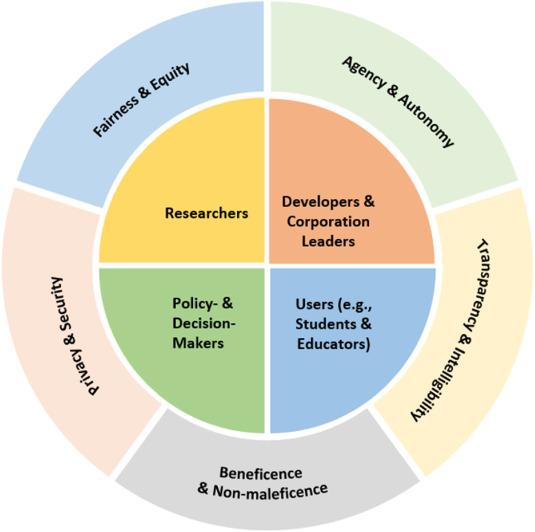
Ethical considerations in AI-Driven Learning: Safeguarding Students in the Digital Classroom
AI-driven learning solutions are transforming digital classrooms around the world, enabling personalized instruction, real-time feedback, and powerful analytics to improve student outcomes. While these advancements offer exciting opportunities, the integration of artificial intelligence (AI) in education also raises vital ethical concerns — notably those related to student safety, privacy, and fairness.
As both educators and parents strive to navigate this rapidly evolving landscape,understanding the ethical considerations underpinning AI-driven education technology is essential. In this comprehensive article, we examine the key issues, explore real-world examples, and offer practical tips to ensure that digital classrooms safeguard student well-being.
Why Ethics Matter in AI-Driven Learning
AI systems in education can make decisions that affect students’ daily experiences, academic trajectories, and access to resources. This power requires a robust ethical framework — one that protects student rights, prevents harm, and promotes equitable outcomes. Failing to consider ethics could result in unintended biases, breaches of privacy, and adverse effects on vulnerable learners.
Key Ethical Concerns in AI-Powered Classrooms
- Data Privacy: Protecting sensitive student information from misuse, unauthorized access, or data breaches.
- Algorithmic Bias: Ensuring fairness by avoiding AI systems that unintentionally favor or disadvantage certain groups.
- Openness & Accountability: Making AI decision-making processes clear and holding stakeholders responsible for outcomes.
- Informed Consent: Obtaining clear permission from students and parents before utilizing personal data or AI-driven tools.
- Student Well-being: Safeguarding mental health, social dynamics, and protecting against over-surveillance or excessive monitoring.
Benefits of AI-Driven Education (When Ethically Implemented)
Despite the challenges, responsible use of AI in education offers multiple advantages when guided by ethical principles:
- personalization: Adaptive learning platforms help tailor instruction to each student’s pace and style.
- Early Intervention: Predictive analytics can flag issues such as disengagement or learning difficulties, enabling timely support.
- Reduced Educator Workload: Automated grading and administrative tools free up teachers to focus on direct student engagement.
- Accessibility: AI-powered assistive technologies help students with disabilities participate more fully.
- global Connectivity: AI facilitates cross-border collaboration and resource sharing, expanding access to quality education.
These benefits highlight the potential for AI to enrich digital classrooms, provided strict ethical guidelines are followed.
Real-World Case Studies: ethical challenges in Action
Case Study 1: Algorithmic Bias in Grading
In 2020, several schools in the UK deployed AI algorithms to assess student exam results after standardized tests were canceled due to the COVID-19 pandemic. The AI model ended up downgrading the grades of many students from historically disadvantaged schools, widening achievement gaps.Public outcry led to the suspension of the system, underscoring the importance of examining algorithmic bias in education.
Case Study 2: Privacy Concerns with AI Proctoring
Many universities worldwide adopted AI-driven proctoring software during remote exams, utilizing webcams, microphone monitoring, and keystroke detection. However, students raised concerns about intrusive surveillance and the storage of biometric data. The controversy sparked debates about the balance between academic integrity and privacy,resulting in more transparent data policies and opt-out options.
Practical Tips for Safeguarding Students in AI-Driven Classrooms
Choose solutions with clear, auditable decision-making logic. Request documentation on how the AI operates and why certain recommendations are made.
Use secure, encrypted platforms and restrict data access to authorized personnel. Regularly audit your tech stack for vulnerabilities.
Review algorithms for unintended bias, especially those affecting grading, student tracking, or interventions. Partner with diverse educators and families in assessment.
Provide clear opt-in/opt-out opportunities to students and parents. Clearly explain what data is collected and how it will be used by AI systems.
Monitor student progress, but avoid excessive surveillance. Engage students in conversations about digital safety and mental health.
First-Hand Experience: An Educator’s Perspective
“As a digital learning coordinator, I’ve seen firsthand the power of AI in transforming classrooms. We’ve witnessed higher engagement and rapid growth among struggling students using personalized platforms. But each step forward also required mindful checks — making sure data was anonymized,explaining systems to parents,and refining policies in response to student feedback. When ethics are front and center, AI truly supports learning rather than overshadowing it.”
— Maria Lopez, High School EdTech Specialist
Best Practices for Ethical AI in Education
To promote responsible, ethical AI use in the digital classroom, all stakeholders — from tech developers to teachers — should adopt the following best practices:
- Implement Inclusive Design: involve voices from diverse racial, socioeconomic, and ability backgrounds during AI tool development.
- ensure Regulatory Compliance: Follow data privacy laws such as FERPA,COPPA,GDPR,and local educational regulations.
- Encourage Ongoing Training: Empower educators and staff with regular training on digital ethics and responsible AI use.
- Maintain Open Interaction: Facilitate honest dialog between schools, families, and students about AI deployment and concerns.
- Foster Ethical Culture: Prioritize empathy, respect, and student-centered values when implementing new technologies.
- monitor & Evaluate: Continuously assess AI outcomes and address issues quickly, based on real classroom feedback.
The Role of Policy and Governance
International and local governing bodies continue to develop AI ethics guidelines for education. Involvement from policymakers helps ensure the safe deployment of AI tools, protects student rights, and encourages responsible innovation. Schools should stay informed about emerging regulations and participate in the wider conversation about AI governance in education.
Conclusion: Protecting Students in the Age of AI
The rise of AI-driven learning presents both empowering opportunities and complex ethical challenges. By adopting transparent, inclusive, and student-centered approaches, educators and administrators can harness the promise of digital tools while protecting student privacy, promoting fairness, and fostering trust in the digital classroom.
AI technology’s impact on education will only grow — and with it, the responsibility to ensure ethical use. By staying informed, advocating for strong safeguards, and centering human values in every step, schools and families can work together to create a digital classroom that is as safe, equitable, and transformative as possible.
Keywords used: Ethical considerations in AI-driven learning, safeguarding students in the digital classroom, AI education ethics, digital classroom safety, student data privacy, algorithmic bias in education, AI governance, responsible AI in education, benefits of AI-driven learning.