
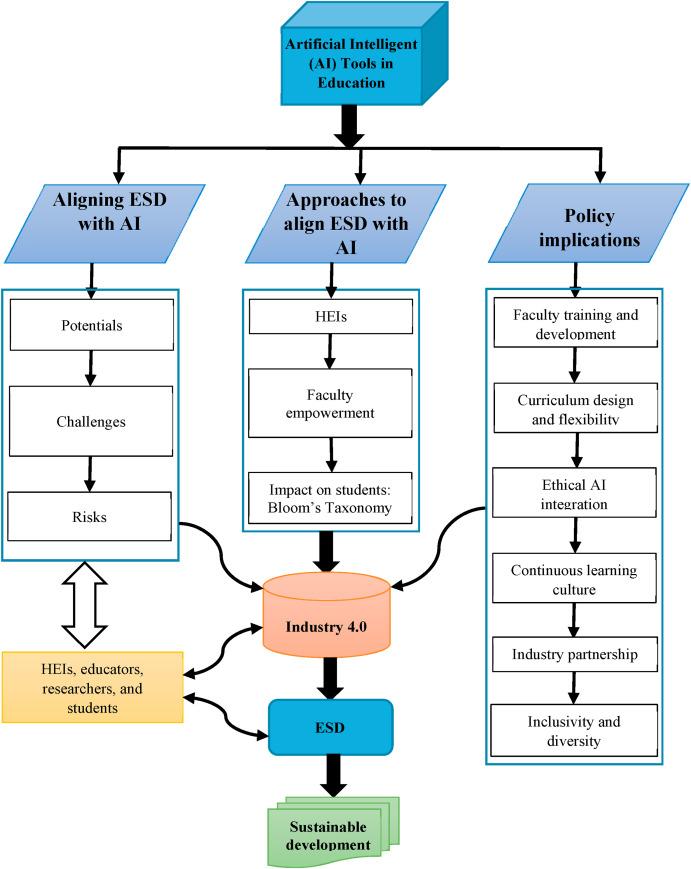
Ethical Considerations of AI in Education: Challenges,Risks,and Responsible Solutions
Artificial Intelligence (AI) is rapidly transforming education by offering personalized learning experiences, automating administrative tasks, and facilitating data-driven decision-making. Though, as AI’s influence expands in academic environments, it brings a suite of ethical challenges that must be carefully addressed. This complete guide delves into the ethical considerations of AI in education, the associated challenges and risks, and offers responsible solutions to ensure that AI empowers learners and educators—without compromising ethical standards.
Understanding AI in Education
AI in education refers to the request of artificial intelligence technologies—like machine learning, natural language processing, and adaptive learning systems—to support teaching and learning processes. These tools are used for:
- Personalized learning pathways
- Grading and assessment automation
- Identifying at-risk students
- Providing feedback and recommendations
- Administrative management and reporting
While these innovations can substantially enhance educational outcomes, they also give rise to critical questions around fairness, privacy, and transparency.
Key Ethical Challenges of AI in Education
Integrating AI in schools and universities is not without complications. Here are the primary ethical challenges educators, developers, and policymakers face:
1. Data Privacy and Security
AI systems in education rely on vast amounts of student data,often including sensitive personal details. This raises the risk of data breaches, unauthorized access, and misuse. Compliance with regulations like the GDPR and FERPA is critical, but educational institutions must implement strong data governance policies to protect learner privacy.
2. Algorithmic Bias and Fairness
AI algorithms can inadvertently perpetuate or even amplify existing biases—such as those related to race, gender, or socioeconomic status—if they are trained on biased data. In education,this can manifest in:
- Unfair grading practices
- Skewed recommendations for academic tracks
- Limited support for underrepresented groups
3. Transparency and Accountability
Many AI algorithms operate as “black boxes,” making it challenging for educators and students to understand how decisions are made. This lack of transparency can undermine trust, especially when AI systems make impactful recommendations or assessments.
4. Informed Consent
Students and parents may be unaware of how their data is being used,or that AI is influencing their educational journey. Clear communication and active consent are vital ethical obligations for any institution implementing AI in education.
5. Impact on Human Relationships
Over-reliance on AI might diminish the role of teachers and reduce the opportunities for human connection in learning—an essential part of holistic education.
Risks of Unethical AI Practices in Education
- Data Breaches: Exposure of sensitive student information can have severe legal and reputational consequences.
- Discrimination: Biased algorithms can inadvertently marginalize vulnerable groups, impeding diversity and equity in educational outcomes.
- Lack of Trust: Opaque AI systems may erode trust among students, parents, and teachers, hindering effective adoption.
- Dehumanization: Excessive automation may result in less personalized support, hindering social and emotional learning.
- Inequitable Access: Schools with fewer resources may not implement ethical safeguards or benefit equally from AI advancements.
responsible Solutions for Ethical AI in Education
To maximize the benefits of AI while mitigating ethical risks, educators and developers should adopt the following best practices:
-
Implement Strong Data Governance:
Enforce robust data privacy policies, encrypt sensitive information, and minimize the data collected by AI systems.
-
Ensure Algorithmic Transparency and Explainability:
Select AI solutions that offer clear,understandable explanations for their recommendations and decisions,so students and educators can scrutinize and challenge outcomes if necesary.
-
Regularly Audit for Bias:
Routinely assess AI models for bias and retrain them with diverse, representative datasets.
-
Pursue Inclusive design:
Involve teachers, students, and parents in the design and deployment phases of AI tools to ensure they meet a wide range of needs and expectations.
-
Obtain Informed Consent:
Clearly communicate what data is being collected, how it will be used, and secure explicit consent from parents and students.
-
Maintain Human Oversight:
Ensure that teachers and administrators are always involved in decision-making, offering the necessary empathy and context that AI lacks.
-
Promote Digital Literacy:
Educate teachers and students about how AI works so that they can use it critically and responsibly.
Benefits of Ethical AI in Education
When implemented ethically, AI in education has the potential to:
- Empower teachers with data-driven insights
- Address diverse learning styles through adaptive platforms
- Reduce administrative workload, freeing up time for student engagement
- Improve accessibility for students with disabilities
- Facilitate early intervention for struggling students through predictive analytics
These benefits can only be fully realized if users trust that AI is being applied ethically and responsibly.
Case study: How One School District is Leading with Ethical AI
The Lexington School District integrated an AI-powered learning management system to personalize student assignments and monitor academic progress. From the outset, the district:
- Conducted a comprehensive privacy impact assessment
- Formed an AI ethics advisory board comprised of teachers, students, parents, and external AI experts
- Published obvious policies about how student data would be used and gave families the option to opt out
- Offered ongoing professional development for teachers on the use and limitations of AI tools
This commitment to ethical AI practices resulted in higher engagement from students, improved learning outcomes, and strong parental trust in the school’s use of technology.
Practical Tips for Educators and Institutions
- Vet AI vendors thoroughly—ask for transparency about how their algorithms function.
- Establish a multidisciplinary AI ethics committee to oversee implementation.
- Encourage regular feedback from students and teachers to identify emerging ethical concerns.
- Invest in training to build strong digital and AI literacy skills across your educational community.
Conclusion: Paving the Way for Ethical AI in Education
AI holds incredible promise for transforming education, but its integration must be rooted in ethical considerations, transparency, and a commitment to fairness. Proactively addressing data privacy, algorithmic bias, and consent concerns not only safeguards students and educators but also ensures that technology serves as a positive force in the classroom.
By adopting responsible solutions, staying informed on best practices, and placing human values at the core of AI deployments, educational institutions can unlock AI’s full potential—creating a more equitable, engaging, and ethical learning surroundings for all.