
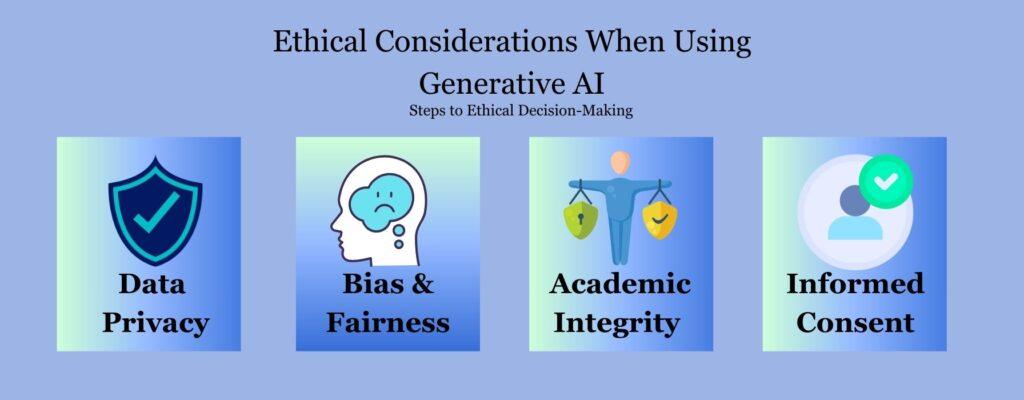
Ethical Considerations of AI in education: Ensuring Fairness, Privacy, and Transparency
Artificial Intelligence (AI) is rapidly redefining the educational landscape. From personalized learning experiences and automated grading systems to bright tutoring and student behavior analytics, AI offers immense potential to enhance teaching and learning. Though,as more educational institutions adopt AI-powered tools,it is indeed crucial to address the ethical considerations of AI in education—specifically,ensuring fairness,privacy,and transparency for all stakeholders.
With the growing influence of AI in classrooms worldwide, understanding its ethical implications is no longer optional—it’s imperative.
Why Ethics Matter in AI for Education
AI technologies in education have the power to benefit students, educators, and institutions when used responsibly. Though, without a strong ethical framework, there are risks of unintended bias, data privacy breaches, and opaque decision-making. By foregrounding issues of fairness, privacy, and transparency, education leaders can foster trust and support positive, inclusive outcomes.
The Benefits of AI in Education
Before diving into ethical challenges, it’s essential to recognize the key benefits that AI delivers in educational settings:
- personalized Learning: Adaptive learning platforms tailor content to individual student needs, boosting engagement and outcomes.
- efficiency for Educators: AI can automate administrative tasks such as grading and scheduling, enabling educators to focus more on teaching and mentoring.
- Enhanced Accessibility: AI-powered tools can help bridge learning gaps for students with disabilities by providing customized support.
- Real-time Insights: Advanced analytics deliver timely feedback, helping educators identify struggling students before issues escalate.
Ethical Considerations: Ensuring Fairness
One of the biggest ethical challenges in AI for education is ensuring fairness and preventing bias. Algorithms trained on ancient data can inadvertently amplify inequities present in society.
Key Areas of Concern
- Algorithmic Bias: If training data reflects social and cultural biases, AI systems may perpetuate or worsen disparities among students, such as in grading or admissions.
- Equitable Access: not all students enjoy equal access to technology and high-speed internet,possibly widening the digital divide.
- Discrimination: Automated decision-making processes might inadvertently disadvantage minority or vulnerable groups.
Practical Tips for Promoting Fairness
- Regularly audit AI models for bias, using diverse datasets and engaging self-reliant reviewers.
- Seek input from a broad range of stakeholders, including students, parents, and educators, when designing or deploying AI tools.
- Ensure decisions made by AI are explainable and subject to human oversight, especially in high-stakes scenarios.
- Implement policies that guarantee all students have access to the necessary technology and support.
Prioritizing Privacy: Safeguarding Student Data
AI systems rely on vast amounts of data, much of it personally identifiable information (PII).Protecting this data is paramount in any educational habitat, and there are unique concerns when minors are involved.
Risks of Inadequate Data Protection
- Unauthorized data access or breaches exposing student records.
- Unsanctioned data sharing with third-party vendors.
- Use of student data for commercial or non-educational purposes without proper consent.
Best Practices for Ensuring Privacy
- Adopt privacy-by-design principles, embedding data protection into every stage of AI tool progress.
- Comply with regulations such as FERPA, COPPA, and GDPR, and clearly communicate data policies to students and parents.
- Minimize data collection to onyl what is strictly necessary for educational purposes.
- offer obvious opt-in/opt-out options for data sharing and AI-driven services.
- Regularly review data handling and storage processes, conducting independent security assessments.
transparency in AI Decision-Making
AI systems can be complex and their processes opaque, making it challenging for educators, students, and parents to understand how decisions are made. Achieving transparency is essential for building trust and accountability.
What Should Be Transparent?
- How AI Works: Clear explanations of how algorithms function and make decisions.
- Data Usage: Detailed information about what data is collected, why, and how it is processed and stored.
- Human Oversight: The extent to which humans review or override AI decisions.
How to Enhance AI Transparency
- Publish clear, easy-to-understand documentation about AI tools used in the classroom.
- Offer regular training for educators on AI literacy, including ethical concerns.
- Allow students and parents to ask questions and voice concerns about AI-driven processes.
- Establish independent oversight committees to review AI deployments.
Real-World Case Studies
1. UK’s Ofqual Algorithm – Exam Grading Controversy
In 2020, the UK’s exam regulator Ofqual used an AI algorithm to assign final grades to students after exams were canceled due to COVID-19. The algorithm disproportionately downgraded students from underprivileged schools,triggering national backlash and eventual policy reversal. This example underscores the dangers of unchecked algorithmic bias and lack of transparency in decision-making processes.
2. AI-Powered Learning Platforms in the U.S.
Several U.S.school districts have adopted AI-based platforms to provide personalized learning paths. While these tools improved individual engagement and helped teachers differentiate instruction, privacy concerns emerged around vendor data policies. Parental consent procedures and clear communication about data use were introduced to restore trust and protect student privacy.
frist-hand Experience: Navigating Ethical AI Implementation
Dr. L. Martinez, a district technology coordinator, shares:
“When we began rolling out an AI-based assessment tool, we prioritized open discussions with teachers and parents about how the system works and how student data is used. This engagement built community trust and helped us select a solution that respected student privacy and allowed for human oversight.”
Experience reveals that transparency and collaboration with all stakeholders are vital for triumphant, ethical AI integration.
Building an Ethical AI Culture in Education
To ensure AI in education serves as a force for good, institutions must:
- Adopt complete, evolving AI ethics policies addressing fairness, privacy, and transparency.
- Train staff and students in AI literacy and ethical use of technology.
- Collaborate with technologists, ethicists, and community members to continually assess impact and adapt practices.
- Foster a culture of continuous feedback and improvement, encouraging open discussion about the challenges and responsibilities of AI.
Conclusion: Embracing AI Ethically for Better Education
The ethical considerations of AI in education—fairness, privacy, and transparency—are central to creating a just, inclusive, and effective learning environment. By proactively addressing these challenges, educational institutions can unlock the transformative power of AI while safeguarding the rights and interests of students and educators alike.
ultimately,the goal is not just to integrate advanced technologies,but to do so with a keen awareness of their profound ethical implications. By placing ethics at the heart of AI adoption, we can ensure the future of education remains equitable, safe, and empowering for all.