
Ethical Considerations of AI in Education: Ensuring Responsible and Fair Learning Solutions
Artificial intelligence (AI) is revolutionizing the education sector, offering powerful learning solutions that personalize instruction, automate administrative tasks, and improve student outcomes. However, as AI becomes increasingly integrated into classrooms worldwide, it raises several ethical considerations. Educators, policymakers, technologists, and parents must collaborate to ensure that AI in education is developed and implemented responsibly, equitably, and in a way that supports fair access for all.
Understanding the Role of AI in Education
AI is transforming how students learn and teachers instruct. From adaptive learning platforms to automated grading and smart content delivery, AI-powered educational tools are making education more interactive, accessible, and efficient. common examples include:
- Personalized learning recommendations
- AI-powered tutoring systems
- Automated essay grading and feedback
- Educational chatbots for student support
- Predictive analytics for early identification of at-risk students
While these technologies offer notable benefits, they also introduce new ethical challenges that must be addressed to foster trust and ensure fair usage in the education system.
Key Ethical Considerations for AI in Education
Navigating the intersection of AI and education requires keen attention to several ethical challenges. Hear are some of the most significant considerations:
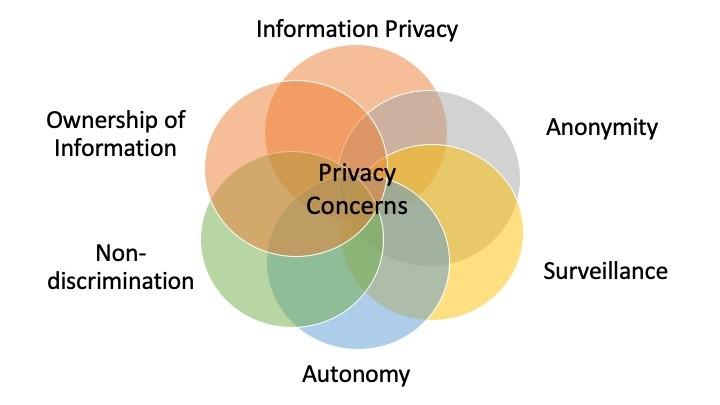
1. Data Privacy and Security
- Student Data Protection: AI in education relies heavily on student data—assessment scores,behavioral data,and even biometric information. This raises concerns around how data is collected, stored, and used.
- Transparency: Educational institutions must be transparent about what data is collected and why, as well as who has access to it.
- Compliance: Systems must comply with regulations such as FERPA, GDPR, and other local privacy laws.
2. Algorithmic Bias and Fairness
- Inherent Biases: AI models can unintentionally amplify existing biases if they are trained on non-representative data reflecting systemic inequalities.
- Fair Assessment: AI-powered grading or admission tools must be carefully audited to ensure they provide equitable opportunities and do not disadvantage students based on race, gender, or socioeconomic background.
3. Equity and Access
- Digital Divide: Not all students have equal access to AI-driven tools, leading to further educational inequities.
- Accessibility: Education technology should be inclusive and accessible to learners with disabilities or those with limited technical resources.
4. Human Oversight and Teacher Roles
- Teacher Autonomy: While AI can support teachers, it should not replace human judgment and creativity.
- Accountability: There must be mechanisms in place for teachers and administrators to oversee and challenge AI-driven decisions.
5. Informed Consent and Student Autonomy
- Parental and Student Awareness: Students and families should be informed about the AI tools used and their implications.
- choice: Where possible, students should be given choices regarding data collection or participation in AI-enhanced learning activities.
Benefits of Ethical AI Adoption in Education
When integrated responsibly, AI offers tremendous potential for the education sector:
- Personalized Learning: Tailors educational content to individual learning styles and paces, improving engagement and retention.
- Efficiency: Automates routine tasks, freeing up time for teachers to focus on high-value interactions.
- Early Intervention: Identifies struggling students early so targeted support can be provided.
- Greater Inclusivity: Supports learners with special needs through adaptive interfaces and real-time accommodations.
- Data-Driven Insights: Provides actionable feedback to educators, improving lesson planning and resource allocation.
Practical Tips for Ensuring Responsible and Fair AI in Education
To foster responsible AI adoption in education, stakeholders should follow these best practices:
1.Prioritize Transparency
- Clearly communicate how AI tools work and what data they use.
- Make AI recommendations and decisions explainable for teachers,students,and parents.
2. Conduct Regular Bias Audits
- Test AI systems for bias before and after implementation.
- Engage diverse stakeholders in the AI development and review process.
3. Uphold Data Privacy and Security Standards
- Implement strong data encryption, access controls, and anonymization protocols.
- Comply with regional and international data protection regulations.
4. Foster Human-AI Collaboration
- Design AI to augment, not replace, the teacher’s expertise and empathy.
- Retain human authority in critical educational decisions.
5. Promote Digital Equity
- Invest in infrastructure to make AI-powered resources accessible to all students.
- Develop adaptive learning technologies with multilingual and accessibility features.
Case Studies: How institutions Address Ethical Challenges of AI in Education
Several educational institutions and edtech companies are taking meaningful steps to address the ethical considerations of AI in education:
- Georgia State University: Deployed an AI chatbot to guide students through administrative tasks and enrollment, while maintaining strict data privacy protocols and transparent communications about data usage.
- New South Wales Department of Education: Created guiding principles for AI deployment in schools, emphasizing fairness, accountability, and inclusivity. The guidelines mandate regular reviews for algorithmic bias.
- EdTech Companies like Duolingo and Khan Academy: Focus on explainable AI by providing teachers and learners with insights into how recommendations are generated,ensuring transparency and trust.
First-Hand Experience: Teacher Perspectives on AI Integration
“Integrating AI-powered learning tools in my classroom has allowed me to spend more time working one-on-one with students. However, I make it a priority to review all AI-generated feedback before sharing it, ensuring fairness and accuracy.”
Teachers frequently enough highlight the importance of balancing automation with their professional judgment. They emphasize continuous monitoring and collaboration with students to address biases, errors, or misunderstandings caused by AI-driven systems.
Conclusion: Building a Responsible Future for AI in Education
AI holds astounding promise for shaping the future of education, making learning more accessible, efficient, and personalized. However, its transformative power must be harnessed responsibly. By understanding and proactively addressing the ethical challenges—from data privacy and algorithmic fairness to inclusivity and human oversight—educators and developers can create AI-powered learning solutions that are truly equitable and trustworthy.
Building an ethical foundation for AI in education is a shared responsibility among technology creators, educators, policymakers, parents, and learners. Through collaboration, transparency, and a commitment to fairness, we can ensure that AI fulfills its potential as a catalyst for positive and inclusive educational change.