
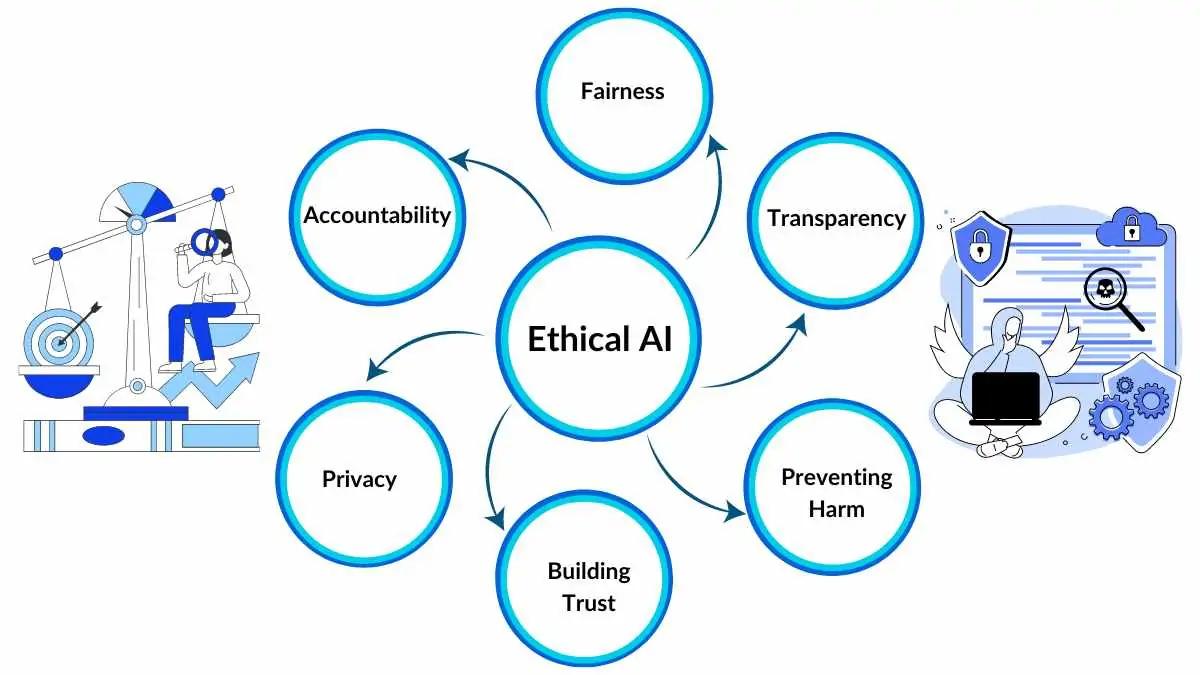
Ethical Considerations of AI in Education: Key Challenges and Real-World Solutions
Artificial Intelligence (AI) is rapidly transforming education by personalizing learning experiences, automating administrative tasks, and enabling data-driven insights. However, the integration of AI into classrooms and campuses raises critical ethical concerns that educators, policymakers, and developers must address to ensure a fair, safe, and inclusive learning environment. This thorough guide explores the ethical considerations of AI in education,highlights key challenges,and provides real-world solutions and practical tips for responsible AI adoption.
Introduction: The Rise of AI in Education
From adaptive learning platforms to intelligent tutoring systems, AI technologies are making education more accessible and tailored. Though, as these systems become increasingly entwined with teaching and learning processes, vital questions emerge around ethical AI usage in education. How can educators safeguard student privacy? What are the risks of algorithmic bias? Who is accountable when things go wrong? Understanding and addressing these ethical dilemmas is key to leveraging the full potential of AI in schools and universities.
Key Ethical Challenges of AI in Education
1. Data Privacy and security
- Student Data Protection: AI systems often analyze vast amounts of personal student data to personalize learning experiences.Without robust privacy safeguards, sensitive facts is at risk.
- Data Ownership: Who owns and controls data generated by students? There’s ambiguity regarding data ownership among schools, software providers, and students/families.
- Cybersecurity Risks: As educational institutions become more digitized, they become targets for data breaches and cyberattacks.
To address these challenges, organizations must implement strong data encryption, transparent data collection policies, and comply with data protection laws such as GDPR or FERPA.
2. Algorithmic Bias and Fairness
- Unintentional Discrimination: AI algorithms can unintentionally perpetuate existing biases,leading to unfair outcomes for students based on race,gender,socioeconomic status,or disabilities.
- Lack of Diversity in Training Data: When AI is trained on non-representative datasets, it can fail to support marginalized student groups effectively.
ensuring fairness in AI-powered education requires algorithmic transparency, routine bias audits, and the involvement of diverse stakeholders in design and deployment.
3. Accountability and Transparency
- Opaque Decision-Making: AI systems often operate as “black boxes,” making it challenging for educators and students to understand how decisions are made.
- Obligation: When errors or injustices occur, clear accountability must be established—whether that lies with educators, developers, or administrators.
Adopting explainable AI tools and setting up clear governance frameworks can foster greater transparency and accountability in educational applications.
4.Human Autonomy and Teacher Roles
- Depersonalization of Learning: Over-reliance on AI can diminish the vital teacher-student relationship and human oversight.
- Teacher Displacement: Some educators worry that AI automation may threaten traditional teaching roles.
AI should be viewed as a tool to enhance human-centered education, supporting teachers rather than replacing them.
Real-World Solutions for ethical AI in Education
Fortunately, many institutions and edtech companies are actively addressing these challenges through collaborative, ethical frameworks, technical innovation, and transparent policies. Below we outline proven strategies and actionable solutions for responsible AI integration:
1. Establishing Clear Ethical Guidelines
- Develop detailed AI ethics policies covering data use, privacy, bias mitigation, and accountability.
- Engage stakeholders—teachers, students, parents, and IT professionals—in policy creation and review.
2. Prioritizing Privacy Safeguards
- Implement end-to-end encryption standards for student data.
- allow students and parents to control what data is collected and how it’s used.
- Regularly update security measures and conduct vulnerability assessments.
3. Ensuring Algorithmic Fairness
- Conduct regular audits of AI models to identify and address biased outcomes.
- Utilize diverse datasets, and include input from people of varied backgrounds in system design.
- Adopt explainable AI technologies for clearer decision-making.
4.Fostering Human-AI Collaboration
- Position AI as a supportive technology, enhancing teacher efforts and helping free up time for personalized instruction.
- Offer professional advancement to help educators understand and responsibly use AI tools.
5. Promoting Transparency and Accountability
- Use open-source AI tools for greater transparency and community oversight.
- Clearly communicate how AI-powered decisions are made and offer appeal/review options for students and parents.
- Assign clear roles for AI oversight within the institution.
Benefits of Ethical AI Adoption in Education
- Personalized Learning: Ethical AI systems can tailor content to individual needs while safeguarding equity and inclusion.
- Efficient Administration: Automation of routine tasks frees up staff to focus on student engagement and well-being.
- Early Intervention: Predictive analytics can definitely help identify students at risk and provide timely support—with transparency and consent.
- Enhanced Accessibility: AI-driven tools can make learning materials accessible to students with disabilities.
Achieving these benefits requires ongoing investment in ethical policies, professional development, and technical best practices.
Case Studies: Ethical AI in Education in Action
Case Study 1: ensuring Fairness at Georgia State University
Georgia State University’s AI-powered advising system tracks student progress and recommends interventions for those at risk of dropping out.To mitigate unfair treatment, the university regularly reviews its algorithms, includes diverse student intake data, and offers transparent appeals for students affected by automated decisions. This has led to increased graduation rates and a more equitable campus environment.
Case Study 2: Protecting Privacy in the UK’s EdTech Sector
Major UK education providers collaborate with the information Commissioner’s Office to develop stringent data protection protocols for AI systems, including parental consent mechanisms, data minimization, and regular privacy impact assessments. These proactive steps help reassure students and parents about data safety while enabling innovative AI-driven learning.
Case Study 3: Teacher Training at Singapore’s Ministry of Education
singapore’s Ministry of Education offers continuous professional development for teachers, helping them understand both the technical aspects and ethical implications of AI in classrooms.By empowering teachers, the program ensures AI enhances learning while maintaining strong human oversight.
Practical Tips for Educators and EdTech Developers
- Stay Informed: Keep up with the latest research and policy developments around AI ethics in education.
- Involve the Community: Engage students, teachers, and families in discussions about AI’s role and limitations.
- Start Small: Pilot new AI tools in controlled environments to identify and address ethical risks before full-scale deployment.
- Monitor Continuously: Regularly evaluate AI systems for unintended consequences; be prepared to adapt and improve.
- Champion Transparency: Communicate openly about how AI-powered educational technologies work and how data is used.
Conclusion: Building an Ethical Future for AI in Education
As AI reshapes the educational landscape, its ethical adoption will determine whether students, teachers, and institutions truly benefit. By prioritizing data privacy, bias mitigation, transparency, and human-centered learning, educators and edtech developers can harness AI for equitable, effective, and inspiring education. The journey requires collaboration, vigilance, and continuous improvement—but with thoughtful policies and practical steps, the promise of ethical AI in education is well within reach.
Do you have experiences or insights about AI in education? Share your thoughts in the comments below and join the conversation!