
Ethical Considerations of AI in Education: Key Challenges and Solutions for Schools
Artificial Intelligence (AI) is rapidly reshaping the educational landscape, offering personalized learning, improved administrative efficiency, and data-driven insights. However,with these profound benefits come significant ethical considerations. Schools, educators, and policymakers must proactively address the potential risks to ensure AI’s deployment aligns with core values such as equity, transparency, and student privacy. in this article, we’ll explore the ethical challenges of AI in education and offer practical solutions for schools striving to use artificial intelligence responsibly and effectively.
Understanding the Benefits of AI in Education
Before delving into the ethical concerns, it’s critical to recognize the transformative advantages AI brings to schools and classrooms:
- Personalized learning paths: Adaptive AI systems can tailor educational content to individual student needs, helping close learning gaps.
- Automated grading and feedback: AI-powered tools speed up assessment processes and provide instant feedback to learners.
- Administrative efficiency: AI automates repetitive tasks, freeing educators to focus more on teaching and mentorship.
- Enhanced accessibility: AI-driven apps support students with disabilities,offering option formats and assistive technologies.
- Data-driven decision making: Insights derived from AI analytics can guide school leaders in curriculum planning and student support.
Key Ethical Challenges of AI in Education
Despite the undeniable value AI brings, it also introduces a range of complex ethical issues in educational technology that schools cannot afford to ignore.
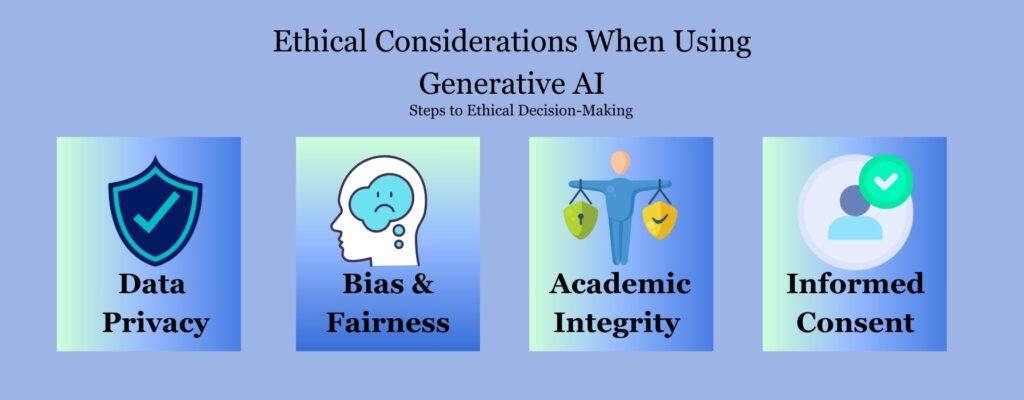
1. Data Privacy and Security
AI in schools often relies on vast amounts of student data to operate effectively. This raises critical concerns about the collection, storage, and usage of sensitive details. Unauthorized data access, potential breaches, or misuse can put students at risk.
- who owns the student data?
- How is consent obtained and managed?
- Are data systems secure against cyber threats?
2. Algorithmic Bias and Fairness
AI systems can unintentionally perpetuate or amplify existing biases in education, possibly disadvantaging certain student groups. For example, if AI is trained on biased data, its decisions may reinforce discrimination against students based on race, gender, or socioeconomic background.
- Are datasets representative of all student demographics?
- How transparent are the AI decision-making processes?
- Is there regular monitoring for bias in outcomes?
3. Transparency and Explainability
Many AI systems operate as “black boxes,” making decisions arduous to interpret. Students, parents, and educators need clear explanations for how AI-driven conclusions are reached.
- are AI decisions accountable and auditable?
- How easily can stakeholders challenge or override AI outcomes?
4. Impact on Teacher and Student Roles
As AI automates tasks and influences teaching methods, questions arise about its effect on the traditional teacher-student relationship and academic integrity. Over-reliance on AI can diminish essential human elements like empathy, mentorship, and critical thinking.
5.Digital Divide and Access
Unequal access to AI-powered tools can widen educational disparities. Schools with fewer resources may struggle to adopt advanced technologies, leaving some students behind.
Case Studies: AI Ethics in the Classroom
Real-world examples can shed light on practical implications and lessons learned regarding AI in education:
Case Study #1: Bias in automated Essay Scoring
A large school district implemented an AI-based essay grading platform. Subsequent analysis revealed the system consistently scored essays written by non-native English speakers lower due to linguistic patterns not present in the training data. Public outcry forced the district to pause the rollout and work on dataset diversification, algorithm adjustments, and increased human oversight.
Case Study #2: Privacy Concerns with Learning Analytics
At a European university, parents raised concerns about an AI-driven analytics tool that tracked student activities 24/7, including off-campus behaviors. Transparency efforts, clear policies, and opt-out mechanisms were introduced to address privacy worries and rebuild community trust.
Practical Solutions and Best Practices for Schools
How can schools ethically integrate AI and minimize risks? Here are actionable strategies:
- Establish ethical AI guidelines: Develop clear policies governing data collection, usage, and retention. Involve all stakeholders—students, parents, and educators—in policy creation.
- Pursue transparency and explainability: Choose AI solutions that provide understandable explanations for their decisions. Offer training for educators and students to interpret AI outcomes.
- Monitor and address algorithmic bias: Regularly audit AI systems for disparate impacts on student groups, and adjust algorithms as needed.
- Safeguard privacy and security: Employ strong encryption, limit data access, and implement robust cybersecurity practices.
- Foster digital equity: Prioritize investments in infrastructure and professional development to ensure all students and teachers benefit from AI tools.
- Maintain human oversight: Avoid fully automated decision-making in high-stakes scenarios. Empower educators and administrators to review and override AI recommendations.
- Educate stakeholders: incorporate digital citizenship, AI literacy, and ethical considerations into the curriculum for staff, students, and families.
First-Hand insights: Teachers and AI Ethics
Teachers and administrators are at the forefront of AI implementation in education. Their perspectives are crucial for identifying real-world challenges and opportunities:
“AI helps me tailor lessons, but I worry about relying too much on it when every student’s context is different. Transparency and regular reviews are essential.”
– High School Math Teacher, California
“Our district’s data privacy workshops gave me confidence to talk to parents about how their children’s information is used. involving families has made a huge difference.”
– Elementary Principal, London
Conclusion: Building a Responsible AI Future in Education
The ethical considerations of AI in education are no longer hypothetical. As more schools and universities adopt artificial intelligence,it’s imperative to address key challenges—privacy,bias,transparency,and equity—head-on. by establishing robust guidelines, fostering inclusivity, and prioritizing human-centered approaches, schools can harness AI’s power while safeguarding the well-being and rights of every learner. A collaborative commitment from educators, technologists, families, and policymakers is the key to ensuring AI enhances learning without compromising ethical standards.
Want to dive deeper? Stay informed on the latest research and best practices in AI ethics in education to make sure your school is prepared for a responsible and bright AI-powered future.