
Ethical Considerations of AI in Education: Key Challenges and Solutions Unveiled
Artificial Intelligence (AI) is transforming the educational landscape globally, bringing about unprecedented changes to how students learn, how teachers instruct, and how administrators manage educational institutions. While the adoption of AI in education presents significant opportunities,it also raises a host of ethical considerations that educators,policymakers,and developers must address responsibly. This article delves into the key challenges and solutions tied to the ethical use of AI in education, providing educators, parents, and edtech professionals with insights to ensure technology enriches learning without compromising core values.
- Benefits of AI in Education
- Key ethical Challenges of AI in Education
- solutions: Ensuring Ethical AI in education
- Case Studies: Real-World Applications and Lessons
- Practical Tips for Stakeholders
- Conclusion
Benefits of AI in Education
Before discussing the ethical concerns surrounding AI, it’s essential to understand the profound benefits AI brings to education:
- Personalized Learning: AI adapts lesson plans to meet the unique needs and pace of each student, improving engagement and outcomes.
- Automation of administrative Tasks: Educators can focus more on teaching by letting AI handle repetitive tasks such as grading and scheduling.
- Accessibility Improvements: AI tools like speech-to-text and real-time translation promote inclusive education for students with disabilities and those from diverse linguistic backgrounds.
- Data-Driven Insights: Institutions can harness AI to analyze learning patterns and outcomes, enabling data-driven improvements in curriculum and pedagogy.
While these advancements are transformative, they must be harnessed ethically, ensuring that technological progress does not come at the expense of student well-being or educational equity.
Key Ethical Challenges of AI in Education
As AI-driven tools and platforms become integral in classrooms and learning environments, several critical ethical challenges have surfaced:
1. Bias and Fairness
Algorithms learn from existing data, which may carry ancient biases. if not carefully curated, AI can inadvertently perpetuate or even amplify inequality, affecting everything from admissions decisions to grading automation.
- Biased data sets can disadvantage minority groups.
- AI may misinterpret cultural or language differences as deficiencies.
- Recommendation systems can reinforce stereotypes in educational content suggestions.
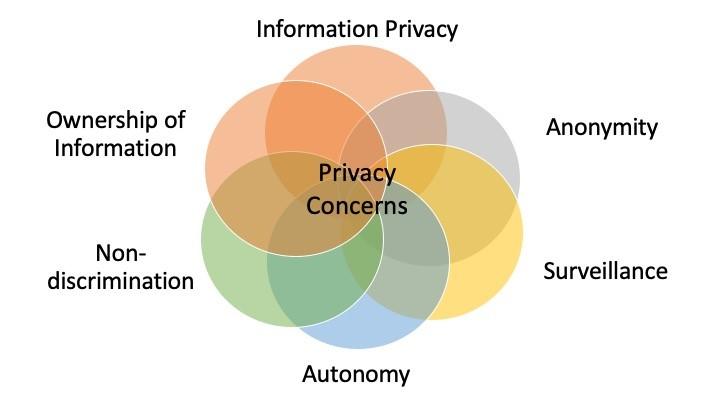
2. Student Data Privacy and Security
AI-powered education solutions rely heavily on collecting and analyzing vast amounts of student data. Without robust measures, sensitive information can be exposed or misused.
- Lack of informed consent for data collection and use.
- Potential for data breaches,hacking,or unauthorized third-party access.
- Concerns about surveillance and the psychological impact on students.
3. Lack of transparency and Explainability
AI algorithms and decision-making processes frequently enough function as ‘black boxes,’ making it difficult for educators and parents to understand how certain conclusions or recommendations were reached.
- Unclear how grades, disciplinary actions, or predictions are determined by AI.
- Reduced trust among teachers, students, and parents due to lack of clarity.
4. Dehumanization of Education
There are concerns that over-reliance on AI could erode the critical role of human educators in imparting values, empathy, and interpersonal skills.
- Potential reduction in human oversight and mentorship.
- Loss of teacher autonomy as AI systems dictate instructional design.
5. Digital Divide and Accessibility
While AI has the potential to make education more accessible,it can also exacerbate existing inequalities if access is unequally distributed.
- Students without reliable internet or devices may be left behind.
- Schools in underfunded regions may struggle to implement AI solutions safely and ethically.
Solutions: Ensuring Ethical AI in Education
Addressing the ethical implications of AI in education demands a multi-pronged approach, involving all stakeholders from developers to policy makers and educators. Hear are the primary solutions being explored and implemented:
1. Developing Robust Ethical Frameworks
- Create industry-wide guidelines that prioritize transparency, accountability, and fairness.
- Incorporate diverse perspectives in AI development, including educators, students, and ethicists.
2.Ensuring Transparency and Explainability
- Implement AI systems with interpretable algorithms and clear explanations of how decisions are made.
- Require vendors and developers to provide documentation and openness around AI functionality.
“Transparency in AI fosters trust and accountability in educational environments, empowering users to make informed decisions.” — AI Ethics consortium
3.Mitigating Bias in Data and Algorithms
- Use diverse, high-quality data sets representative of all student groups.
- Regularly audit AI systems for potential biases and unintended consequences.
- Encourage inclusive design and continuous stakeholder feedback.
4. Strengthening Data Privacy and Security
- Adopt privacy-by-design approaches and comply with frameworks such as GDPR and FERPA.
- Promote transparency in data usage and enable parents/students to control their data.
- Ensure robust cybersecurity measures to prevent data breaches.
5. Promoting Digital Equity
- Invest in infrastructure and training to bridge the digital divide.
- Advocate for worldwide access to AI resources in education, especially in underserved communities.
6. Preserving the Human Element
- Integrate AI solutions as assistive tools, not as replacements for educators.
- Balance technology with personal interaction, mentorship, and values education.
Case Studies: Real-World Applications and Lessons
AI Tutoring solutions
A leading case is the introduction of AI-powered tutors like Carnegie Learning and Squirrel AI in the United States and China. These platforms adapt content to individual learners, increasing engagement and success rates. However, early rollouts faced criticism for algorithmic bias in recommendations—leading developers to refine data sampling and actively seek educator input.
Predictive Analytics for Student Performance
At Georgia State University, predictive analytics identified students at risk of dropping out. The system initially flagged certain demographics disproportionally but, after thorough auditing and recalibration, now factors in a broader set of non-discriminatory criteria and improves intervention strategies.
First-Hand Experience: Teacher Viewpoint
Ms. Lara Gomez, an elementary teacher in California, shares:
“Implementing AI-supported reading apps brought great improvements in engagement, but I always review the AI’s suggestions personally. My students rely on me to explain why certain recommendations are made. That’s vital for their confidence—and my peace of mind.”
Practical Tips for Stakeholders
For Educators
- Stay informed about how AI-powered tools in your classroom work and the kind of data they collect.
- Advocate for professional development focused on edtech ethics and digital literacy.
- Foster an open dialog with students about responsible AI use.
For policymakers & Administrators
- Establish clear ethical standards for AI procurement and deployment.
- Require transparency and impact assessments from edtech vendors.
- Monitor ongoing AI tool performance and solicit regular feedback from users.
For Edtech Developers
- Prioritize explainable AI and user control.
- Involve teachers and learners at every stage of platform design and betterment.
- Ensure all software changes undergo ethical review and bias testing.
Conclusion
AI promises to revolutionize education by unlocking new learning possibilities and operational efficiencies.Though, responsible implementation hinges on serious attention to ethical considerations in AI in education. By understanding key challenges—such as bias, privacy, transparency, equity, and the preservation of the human touch—and proactively applying robust, transparent solutions, we can build a future where technology truly empowers every learner.
As we move forward, sustained multi-stakeholder collaboration is critical. Educators, policymakers, technologists, and communities must work together to ensure that AI in education serves the greater good—enhancing, rather than undermining, the values that define meaningful education.