
Ethical considerations of AI in Education: Key Issues and Best Practices
Artificial Intelligence (AI) is rapidly transforming the education sector, making personalized learning, automated grading, and predictive analytics more accessible than ever before.Though, the increasing integration of AI in classrooms also raises meaningful ethical questions. As educators, school administrators, and policymakers embrace these advanced technologies, it is crucial to recognize and address the ethical considerations of AI in education to ensure positive, inclusive, and responsible outcomes for all learners.
Benefits of Implementing AI in Education
Before diving into the ethical concerns, it’s helpful to acknowledge the key benefits that make AI such a powerful tool in educational environments:
- Personalized Learning: AI adapts to individual student needs, abilities, and learning speeds, creating customized educational experiences.
- Efficiency: Automation of administrative tasks, grading, and scheduling frees up teachers’ time for more meaningful student interaction.
- Early Intervention: Predictive analytics can identify at-risk students and suggest timely interventions.
- Accessibility: AI-powered tools like speech-to-text and language translation improve access for students with disabilities and non-native speakers.
Key Ethical Issues of AI in Education
Despite its many advantages, integrating artificial intelligence in education comes with significant ethical challenges. Here are the primary ethical considerations of AI in the classroom:
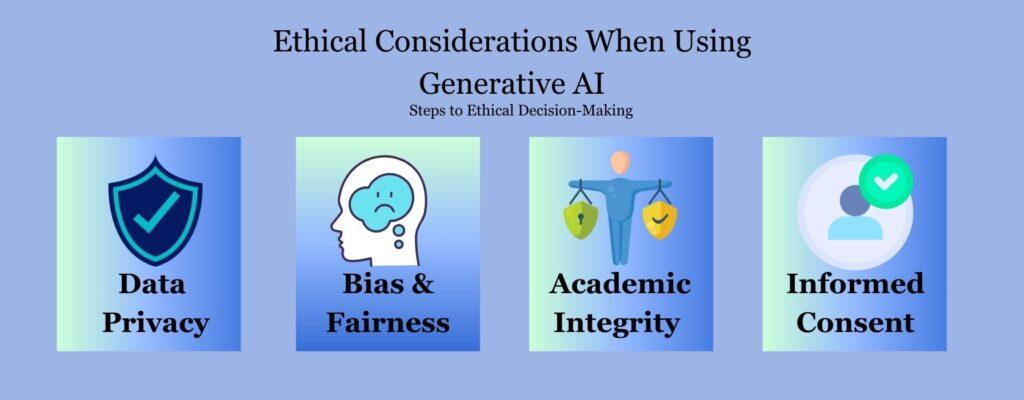
1.data Privacy and Security
AI systems often require large volumes of student data to function effectively. This raises pressing questions:
- How is sensitive facts (such as grades, behavioral data, and demographic details) collected and stored?
- Who has access to this data, and how is it protected from breaches or misuse?
Best Practice: Institutions must implement robust data protection policies, ensure clarity about data usage, and comply with regulations like FERPA or GDPR.
2. Bias and Fairness
AI algorithms can inadvertently reinforce existing biases due to biased training data or flawed programming. This can lead to unfair disadvantages for certain groups of students.
- Underrepresented students may face inaccurate assessments or reduced learning opportunities.
- AI applications, if not carefully monitored, may perpetuate discrimination in admissions, grading, and support services.
Best Practice: Regularly audit AI systems for bias,use diverse datasets,and involve educators in the advancement process to ensure fairness.
3. Transparency and Accountability
Many AI decisions are made through ‘black box’ algorithms that lack visibility or explainability for users. This leads to challenges in:
- Understanding how educational recommendations or grading decisions are made.
- Determining accountability when AI makes an error or a harmful decision.
Best Practice: Prioritize explainable AI models and establish clear protocols for human oversight and appeals.
4. informed Consent
Students and parents frequently enough have limited awareness of how AI tools work or what data is being collected. Ensuring informed consent is essential to avoid ethical dilemmas.
- Students should know what information is being collected and how it will be used.
- Participation in AI-powered programs should be voluntary, with opt-out options if possible.
Best Practice: provide clear, accessible information about AI tools and obtain explicit consent before collecting personal data.
5. The Role of Human Educators
While AI can enhance learning, it should not replace the critical role of teachers. There is a need to balance automation with meaningful human interaction.
- Over-reliance on AI might undermine the development of essential skills such as empathy, creativity, and critical thinking.
- Educators should remain the primary decision-makers in guiding students’ learning journeys.
Best Practice: Use AI to support, not supplant, the educator’s role in fostering holistic development.
Best Practices for Ethical Use of AI in Education
To maximize the benefits and minimize the ethical risks,schools and institutions should follow these expert-recommended best practices for implementing AI in education:
- Develop ethical Guidelines: establish a code of ethics for AI use,outlining clear principles and responsibilities.
- Stakeholder Engagement: Involve students, parents, teachers, and administrators in the selection and monitoring of AI tools.
- Ongoing Training: Provide continuous training for teachers to effectively use and oversee AI applications.
- Transparency Audits: Regularly review AI systems for transparency and fairness, and publish audit results where possible.
- Privacy by Design: Integrate privacy safeguards from the start, including encryption, anonymization, and strict data minimization policies.
- Support Emotional and Social Learning: Ensure AI tools complement, not replace, social-emotional skills development.
- Encourage Digital Literacy: Educate students and teachers about AI–its capabilities, limitations, and ethical risks–to foster critical thinking and responsible usage.
Real-World Case Studies: Ethical Challenges and Solutions
Case Study 1: Proctoring Software in Universities
During the pandemic, many universities adopted AI-based proctoring tools to monitor remote exams. However, students reported privacy violations, stress, and potential bias—notably for students with disabilities or those from minority backgrounds. In response, several universities revised their policies to limit data collection, improved transparency, and offered choice assessment methods.
Case Study 2: Adaptive Learning Platforms
A K-12 school district implemented an adaptive learning platform to tailor lessons to student progress.Teachers noticed the system sometiems steered struggling students away from challenging content, inadvertently reinforcing gaps.Collaboration between educators and developers led to algorithms being adjusted to ensure all learners continued receiving high-level material along with appropriate support.
Practical Tips for Schools and Educators
whether you’re a teacher, technology leader, or policymaker, here are actionable steps for the ethical adoption of AI in education:
- Communicate Openly: Keep all stakeholders informed about how AI tools are used and their potential impact.
- Evaluate AI Vendors Carefully: Choose reputable technology partners who prioritize ethics, privacy, and transparency.
- establish Clear Accountability: Define who is responsible for AI-driven decisions and set up feedback mechanisms for concerns.
- Pilot Before Scaling: Test AI applications in small settings to identify and resolve ethical issues before broader implementation.
- Update Policies Regularly: Stay current with evolving standards and laws related to AI and data protection in education.
Conclusion: Embracing ethical AI in Education
As artificial intelligence continues to shape the future of learning, addressing the ethical considerations of AI in education is more critically important than ever. by proactively tackling issues surrounding data privacy, fairness, transparency, and human agency, schools and institutions can harness AI’s full potential while safeguarding student rights. With clear ethical guidelines,ongoing training,and open dialog,we can create an educational landscape where AI empowers equitable opportunities for all learners.
Remember: The ethical journey doesn’t end with technology adoption; it requires continuous reflection, adaptation, and collaboration. By prioritizing ethics at every stage, educators and leaders can help ensure that AI in education is a tool for progress—and not a source of division or harm.