
Ethical Considerations of AI in Education: Key Issues and Responsible Solutions
Artificial intelligence (AI) is transforming the education sector at a rapid pace, fundamentally changing how teaching, learning, and assessment are conducted. From personalized learning environments to automated grading and smart tutoring systems, AI promises significant benefits for students and educators alike.however, as AI becomes more entrenched in educational settings, it raises crucial ethical considerations that demand thoughtful analysis and responsible action. In this article, we delve into the key ethical issues surrounding AI in education and provide responsible solutions and practical tips for navigating this dynamic landscape.
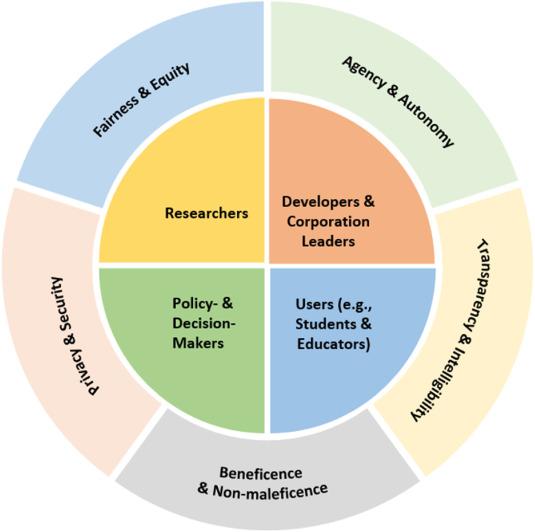
Key Ethical Issues of AI in Education
Understanding the ethical implications of AI in education is vital for safeguarding students’ interests, promoting fairness, and upholding institutional obligation. Here are the most pressing challenges:
- Data Privacy and Security: AI applications often rely on collecting and analyzing vast amounts of student data, which raises questions about consent, ownership, and protection from unauthorized access and misuse.
- algorithmic Bias and Fairness: Machine learning algorithms can perpetuate or even amplify existing biases in educational data, leading to unfair treatment or missed opportunities for certain student groups.
- Transparency and Explainability: The decision-making logic of many AI systems is frequently enough opaque (‘black box’ models), making it difficult for educators and students to understand or challenge outcomes.
- Accountability and Oversight: When AI systems make mistakes or fail,determining who is responsible—the developers,the institution,or the educators—can be ambiguous.
- Equity of Access: The digital divide means that not all students have equal access to AI-driven educational technologies, possibly widening existing learning gaps.
- Student Autonomy and Agency: Over-reliance on AI tools can reduce students’ opportunities for autonomous learning, critical thinking, and self-determination.
- Informed Consent and Participation: Ethical deployment requires that students and educators be adequately informed about how AI tools function and are given a genuine choice to participate or opt out.
Responsible Solutions for Ethical AI in Education
Addressing these ethical challenges requires a multi-faceted approach that combines policy, technology design, and ongoing stakeholder engagement. Here are responsible solutions and best practices:
1. Robust Data Governance
- Data Minimization: Collect only the data necessary for educational purposes, and anonymize sensitive information whenever possible.
- Strong Security Measures: Implement encryption, secure storage, and regular audits to ensure data protection.
- Transparent Data Policies: Clearly communicate data collection, usage, and retention policies to students, parents, and educators.
2. Bias Mitigation
- Use diverse, representative datasets in training AI models to minimize unintended bias.
- Regularly audit AI systems for disparate impacts and remediate issues as they arise.
- Include ethicists,educators,and diverse community members in AI system design and review processes.
3. Transparency and Explainability
- Choose AI solutions that offer explainability features, allowing users to understand and question outputs.
- Provide comprehensive documentation and support for educators and learners interacting with AI tools.
- Require vendors to adhere to open standards and transparency commitments.
4. Clear accountability Mechanisms
- Establish clear protocols for reporting, investigating, and remedying AI-related errors or harms.
- Define stakeholders’ roles and responsibilities, including escalation channels for complaints.
- Implement ongoing training for staff and educators on ethical AI use.
5. Promoting Equity and Inclusion
- Invest in digital infrastructure to ensure equitable access to AI-powered resources for all students.
- Provide adaptive learning tools designed to accommodate diverse learning styles and needs.
- Prioritize accessibility features in all educational AI deployments.
6. Fostering Student Agency
- Encourage student feedback on AI-driven learning tools and integrate their perspectives into future design cycles.
- Offer opt-out options for students who prefer not to use specific AI applications.
- Teach digital literacy and critical thinking to empower students to use AI responsibly and independently.
Benefits of AI in Education (When implemented Ethically)
Despite ethical challenges, AI offers transformative potential for improving educational outcomes and operations. When developed and deployed responsibly, AI in education can provide:
- Personalized Learning: Tailoring content, pacing, and resources to fit individual student needs, fostering greater engagement and achievement.
- Proactive Support: Using predictive analytics to identify students at risk and intervening early with targeted assistance.
- Administrative Efficiency: Automating routine tasks such as grading and scheduling, freeing educators to focus on pedagogy.
- Enhanced Accessibility: Providing supportive technologies for students with disabilities, such as speech recognition and adaptive assessments.
- Informed Decision-Making: empowering teachers and administrators with actionable insights drawn from aggregated data.
Case Study: Responsible AI Adoption in Higher Education
At University of Edinburgh, the adoption of an AI-powered personalized learning platform was guided by a strict ethical framework. This included:
- Engaging students and faculty in the design and selection process.
- Publishing regular transparency reports about the AI system’s impact and any issues encountered.
- Implementing a comprehensive digital literacy campaign to educate users about how the system works and the data it uses.
- Appointing an independent AI ethics panel to oversee ongoing operations and review complaints.
as an inevitable result, not only did student satisfaction increase, but trust in the institution’s use of AI technology remained high. The university’s experience highlights the importance of participatory and transparent approaches in ensuring ethical AI integration.
Practical Tips for Ethical AI Implementation in Schools
- craft a Clear AI Ethics Policy: Every school or university shoudl have a well-defined policy outlining acceptable AI uses, privacy protections, and grievance mechanisms.
- Provide Regular Training: Educators, students, and IT personnel all benefit from ongoing education about ethical AI considerations and their practical implications.
- Conduct impact Assessments: Before launching new AI tools, assess potential risks and benefits, focusing specifically on fairness, privacy, and inclusivity.
- Engage Stakeholders: Involve students, parents, and educators in decision-making to ensure community values are reflected in AI use.
- Continuously Monitor and Update: Ethical AI governance isn’t a one-time task. Monitor AI performance, collect feedback, and update practices as needed to address emerging challenges.
Conclusion: Championing Ethics in AI-Driven Education
The integration of artificial intelligence in education offers tremendous promise, but also brings a host of responsibilities. By proactively addressing the ethical considerations of AI in education—such as data privacy, algorithmic fairness, transparency, accountability, and equity—schools and universities can harness the positive potential of AI while minimizing risks. Thoughtful policy development, stakeholder involvement, and ongoing evaluation are key to fostering an environment in which ethical and responsible AI use becomes the norm, not the exception. As we move forward, let’s ensure that technology remains a force for good in shaping the future of learning.