
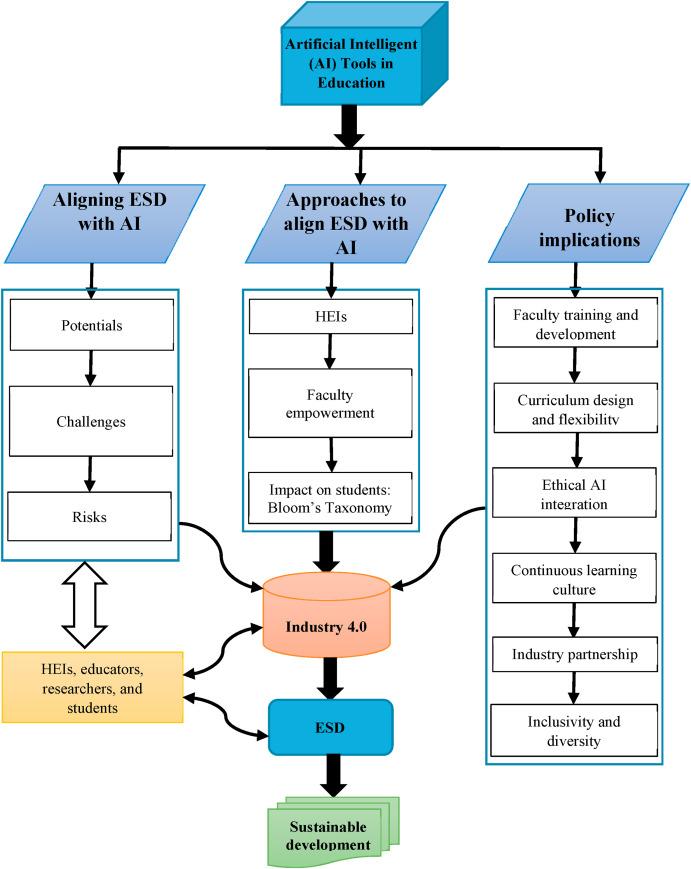
Ethical Considerations of AI in Education: Navigating Benefits and Challenges
Artificial intelligence (AI) in education is transforming the way students learn, teachers instruct, and institutions operate. From personalized learning tools to automated grading and smart tutoring systems, AI promises more efficient, inclusive, and engaging educational experiences. However, with great power comes great obligation. Navigating the ethical considerations of AI in education is essential to ensure that its deployment benefits all learners and maintains the integrity of academic systems.
Table of Contents
- Introduction to AI in Education
- benefits of AI in Education
- Ethical Challenges of AI in Education
- Real-World case Studies
- Practical Tips for Responsible AI Use
- Conclusion
Introduction to AI in Education
AI technologies are being integrated into education at an accelerating pace,from adaptive learning platforms and chatbots to advanced analytics and administrative automation.The proliferation of AI-powered educational tools offers new opportunities for teaching and learning but also raises questions about fairness, data privacy, transparency, and the overall role of technology in shaping future generations.
Benefits of AI in Education
The application of AI in education delivers a range of advantages for students,teachers,and educational institutions:
- Personalized Learning: AI algorithms can adapt curricula and resources to the unique learning pace and style of each student,making education more effective and engaging.
- Accessibility: AI-powered tools such as speech-to-text, language translation, and assistive technology enhance learning experiences for students with disabilities or language barriers.
- Administrative Efficiency: Automation of administrative tasks—such as scheduling,grading,and enrollment—frees up educators to focus on teaching and mentoring.
- Early Intervention: Predictive analytics can identify at-risk students early, allowing for timely support and intervention to prevent dropouts or academic failure.
- Resource Optimization: AI helps schools optimize resource allocation,improving cost-effectiveness and supporting better educational outcomes.
“AI has the potential to democratize access to quality education, tailoring learning for every student and empowering educators.”
Ethical Challenges of AI in Education
Despite its benefits, AI in education presents notable ethical challenges that must be proactively addressed:
1. Data Privacy and Security
AI-driven educational technologies often collect vast amounts of sensitive student data. Protecting this information from breaches, misuse, or unauthorized access is critical. Questions arise such as:
- Who owns and controls students’ data?
- How long is data stored and what is it used for?
- Are students and parents adequately informed about data collection practices?
2. Bias and Fairness
AI systems can unintentionally perpetuate or amplify existing biases in educational content, assessments, and opportunities. Sources of bias include:
- Training data that does not accurately represent all student demographics
- Algorithms that disproportionately favor or disadvantage certain groups
Ensuring fairness in AI-based decisions, such as grading or admissions, is vital for equality and social justice.
3. Transparency and Accountability
black-box AI systems can make it difficult for students, parents, and educators to understand how decisions are made. This lack of transparency can erode trust and hinder recourse when errors occur. Key considerations include:
- Are AI-driven decisions explainable and contestable?
- Who is accountable when failures or injustices arise due to AI tools?
4.Impact on Teacher Roles
As AI tools automate more educational functions,the customary role of educators may shift. There are concerns over:
- Potential deskilling and decreased autonomy of teachers
- Overreliance on technology at the expense of human judgment and mentorship
5. Equity and Access
There is a risk that the deployment of advanced AI in education could widen the digital divide, as not all learners have equal access to technology or high-quality AI-powered resources.
Real-world Case Studies: Navigating AI Ethics in Education
Several organizations and educational systems are tackling these ethical considerations head-on. Here are two illustrative case studies:
Case Study 1: adaptive Learning in K-12 Schools
A major adaptive learning platform was introduced across a network of K-12 schools in the US. While the technology improved student performance and engagement, teachers and parents voiced concerns about:
- Data Privacy: Platforms collected detailed learning analytics, raising questions about student data use and storage.
- Algorithmic Bias: Analysis revealed that the platform’s recommendations sometimes underestimated the capabilities of English language learners.
In response, the district established an AI ethics committee, strengthened data transparency initiatives, and worked to retrain models using more representative data.
Case Study 2: AI Proctoring During University exams
During the shift to online learning, universities widely adopted AI proctoring solutions to invigilate exams. Students and advocacy groups raised several ethical concerns:
- Surveillance: Continuous AI monitoring was perceived as invasive and stressed some students.
- Equity: Facial recognition failed to accurately identify students of color, causing unfair challenges.
- Transparency: There was little clarity about how the AI flagged suspicious behavior and how disputes could be resolved.
The outcry led many institutions to revise policies, implement human oversight, and offer more robust channels for student feedback and appeals.
Practical Tips for Responsible AI Use in Education
- Conduct Regular AI Audits: Review machine learning models and datasets for bias, accuracy, and fairness.
- Foster Openness and Transparency: Clearly describe how AI tools function, what data is used, and how decisions are made.
- Prioritize Data Privacy: Use encryption, limit data retention, get parental consent, and comply with regulations like FERPA and GDPR.
- Empower Educators: provide adequate training so teachers understand AI tools and can use them ethically.
- Ensure Human Oversight: Maintain a balance between automation and human expertise. Allow appeals and human review for important AI-driven decisions.
- Address Equity Issues: Work to provide equitable access to AI-powered learning for all students, regardless of socioeconomic status or geographic location.
Conclusion
The ethical considerations of AI in education are complex but essential for shaping a responsible and inclusive future. AI has the power to personalize learning, enhance accessibility, and streamline operations, but without careful attention to data privacy, fairness, transparency, and accountability, it may inadvertently reinforce inequities or erode trust. By working collaboratively across educators, technologists, policymakers, and communities, we can harness the transformative potential of AI while upholding the highest ethical standards.
If you’re involved in deploying or selecting AI-powered tools in education, stay engaged, ask the tough questions, and advocate for strong ethical guidelines. Together, we can ensure that the digital classroom remains a space of safety, growth, and prospect for every learner.