
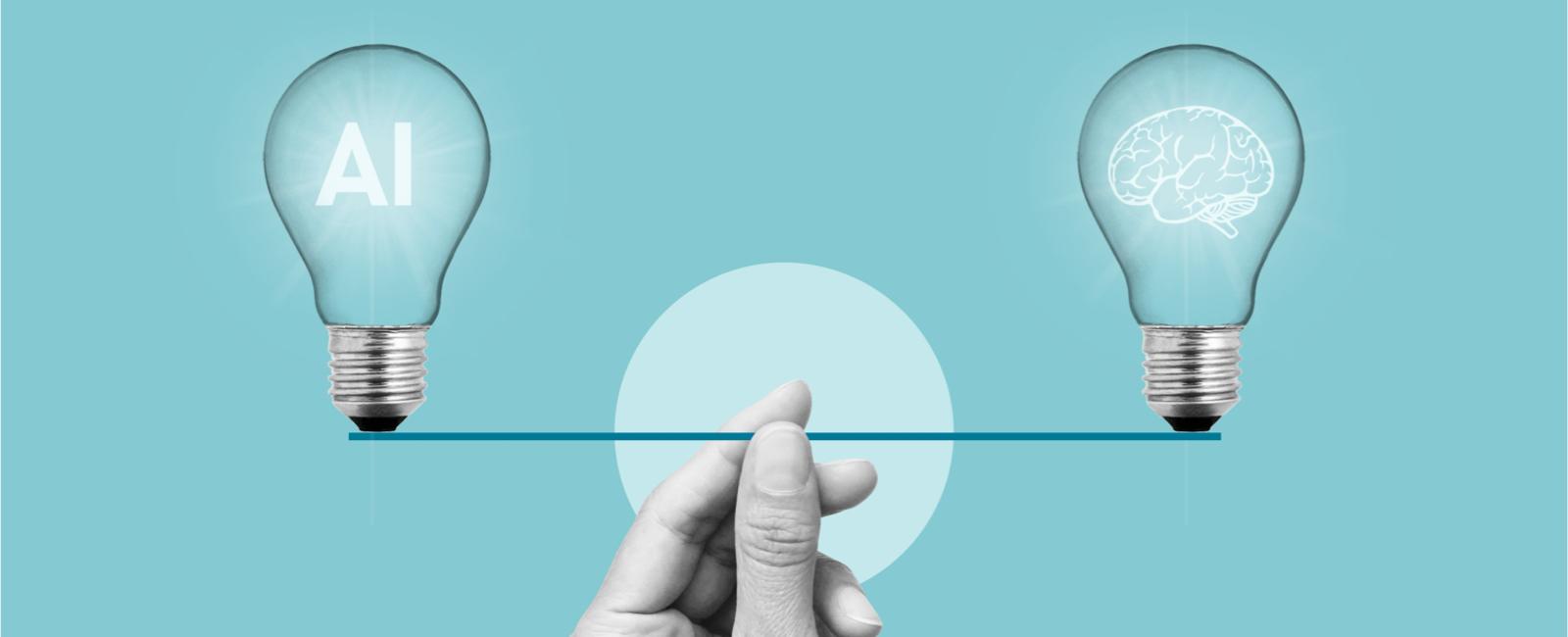
Ethical Considerations of AI in Education: Navigating Benefits, Risks, and Responsibilities
Artificial Intelligence (AI) is revolutionizing the educational landscape by offering powerful tools for personalized learning, automated grading, and enhanced learner support. As schools and universities increasingly adopt AI technologies, it is critical to address the ethical considerations of AI in education. Understanding the balance between innovation and responsibility helps educators, students, and policymakers maximize the benefits of AI while minimizing potential risks. In this article, we explore the ethics of AI in education, including its advantages, challenges, real-world scenarios, and practical tips for responsible implementation.
Why Ethical Considerations Matter in AI-Powered Education
The integration of AI into education brings unprecedented opportunities for personalized instruction and administrative efficiency. However, it also introduces complex ethical issues such as bias, data privacy, transparency, and accountability. Addressing these core ethical challenges in AI for education is essential to ensure fairness and trust in AI systems. Recognizing and navigating these concerns helps safeguard both student rights and institutional reputations.
Key Benefits of AI in Education
- Personalized Learning: AI-driven platforms can tailor education to individual students’ learning styles, pacing, and needs, improving engagement and outcomes.
- Scalability and Efficiency: Automated grading and administrative processes save educators’ time, enabling a focus on higher-value tasks.
- Data-Driven Insights: AI systems analyse student performance data to identify areas for improvement and early intervention, supporting informed decision-making.
- Enhanced Accessibility: Speech recognition, real-time translation, and adaptive learning technologies help break down barriers for learners with diverse needs.
- Lifelong and Remote Learning: AI-powered tutors and virtual classrooms provide flexible learning opportunities beyond customary settings.
Major Ethical Risks and Challenges of AI in Education
While AI offers significant advantages, it also presents unique risks. Understanding these risks is crucial for responsible AI implementation in educational contexts.
- Bias and Discrimination: AI algorithms may unintentionally perpetuate or even amplify existing biases in curriculum or assessment,perhaps disadvantaging certain groups of students.
- Data Privacy and Security: The use of sensitive student details for AI analysis demands strict measures to protect privacy, prevent breaches, and ensure compliance with regulations like GDPR and FERPA.
- Lack of Transparency (the “Black Box” Problem): Many AI models operate opaquely, making it difficult for educators and students to understand or challenge decisions made by these systems.
- Autonomy and Human Oversight: Excessive reliance on AI could undermine the role of teachers and erode human connection in the learning process.
- Equity and Access: Not all schools or students have equal access to advanced AI technologies,exacerbating existing educational inequalities.
- Informed Consent: Students and parents must be adequately informed about how their data is collected, used, and protected.
Institutional Responsibilities and Best Practices for Ethical AI Use
Educational institutions play a pivotal role in ensuring that AI tools are used ethically and effectively. Here are key best practices for ethical AI implementation in education:
- Establish Clear AI Policies: Develop extensive guidelines covering the selection, deployment, and evaluation of AI tools.
- Prioritize Transparency: Choose AI solutions that offer explainability and allow users to understand how key decisions are made.
- Protect Student Data: Implement strict data protection protocols,anonymize data where possible,and secure consent for data usage.
- Ensure Fairness and inclusivity: Regularly audit AI systems for bias and use diverse datasets to train algorithms.
- Emphasize Human oversight: Maintain the role of educators in monitoring,interpreting,and – if needed – overriding AI outputs.
- Promote Digital Literacy: Educate staff, students, and parents about AI’s capabilities and limitations, fostering ethical awareness and critical thinking.
- Engage Stakeholders: Involve teachers, students, parents, and ethical experts in decision-making about AI adoption and practices.
Case Studies: Real-World Examples of AI, ethics, and Education
Case Study 1: AI Grading and Bias in Standardized Testing
In 2020, a UK exam board used an AI algorithm to determine final grades when exams were canceled due to COVID-19.The system’s reliance on historical data led to widespread unfairness, disproportionately affecting students from disadvantaged backgrounds. Following public outcry, the grades were ultimately withdrawn, highlighting the risk of algorithmic bias and the importance of transparency and human oversight.
Case Study 2: Adaptive Learning Systems and Informed Consent
Several universities have implemented AI-powered adaptive learning platforms that collect vast amounts of student data to personalize instruction. Successful programs have emphasized robust data protection measures and clear dialog with students about their rights and data usage – positively impacting both learning outcomes and student trust.
Voices from the Classroom: First-hand Reflections on AI Ethics in Education
To understand the practical impact of AI on education, we spoke with teachers, students, and IT administrators integrating AI tools in their schools:
-
Teacher Perspective:
“AI grading systems are great for saving time, but I always double-check their accuracy. Sometimes they miss the nuance in creative work or unique student responses.” -
Student Viewpoint:
“the AI tutor app helps me practise math at my own pace. I just wish I knew more about how it uses my answers and what happens to that information.” -
Administrator Insights:
“We’re committed to protecting student privacy. Every time we adopt a new technology,it goes through a thorough ethical review.”
These experiences underline the real and ongoing need for open communication, oversight, and ethical reflection as AI becomes more pervasive in the classroom.
Practical Tips: How Schools and Educators Can Navigate Ethical AI Adoption
For those looking to responsibly integrate AI in education,consider the following practical recommendations:
- Run Bias Audits: Regularly test AI systems for potential bias against gender,ethnicity,language,or geography.
- Foster Digital Literacy: Train both staff and students in digital ethics, privacy, and safe technology use.
- Review Legal Compliance: Adhere to national and international data protection laws and ethical codes.
- Encourage Feedback: Set up channels for students and teachers to report concerns or malfunctions observed in AI tools.
- Start Small: Pilot AI systems in low-stakes environments before widespread deployment, allowing time to assess impact and address issues.
- Work with Trusted Vendors: Seek AI technologies from clear companies with strong ethical commitments.
Conclusion: Striking the Right Balance for the Future of AI in education
The ethical considerations of AI in education are multifaceted and require ongoing attention, collaboration, and transparency. By proactively addressing risks like bias, privacy, and equity, while harnessing the transformative benefits of adaptive learning and efficiency, educators and institutions can foster a trustworthy and innovative learning habitat. The future of AI in education depends on our ability to navigate these benefits, risks, and responsibilities wisely. With the right frameworks and a commitment to responsible use, AI can truly enhance educational experiences and outcomes for all learners.
Stay informed,stay ethical,and help shape a better AI-powered education for generations to come.