
Ethical Considerations of AI in Education: Navigating Challenges and Ensuring Responsible Use
Artificial Intelligence (AI) is rapidly transforming the education sector, offering personalized learning experiences, automated grading, and advanced data insights. While the promise of AI in education is immense, its responsible adoption brings forth important ethical considerations. Navigating these challenges is crucial to ensure equitable, transparent, and effective use of AI technologies in educational settings.This article delves into the key ethical issues of AI in education, highlights best practices, and provides actionable tips for educators, administrators, and policymakers.
Table of Contents
- Why Ethical Considerations Matter in Educational AI
- Key Ethical Challenges of AI in Education
- Benefits of AI When Used Responsibly in education
- Case Studies: Real-World Examples of Ethical Dilemmas
- Best Practices for Responsible Use of AI in education
- Conclusion
Why Ethical Considerations Matter in Educational AI
As AI tools for education proliferate, their impact goes beyond operational efficiency. Ethical considerations ensure that:
- Student data is protected and used appropriately.
- AI-driven decisions remain unbiased and support equal learning opportunities.
- Educators maintain trust in technology’s role within the classroom.
- All stakeholders, including parents and policy makers, are aligned on responsible AI deployment.
failing to address these critical aspects can lead to misuse, discrimination, and loss of confidence in educational technologies.
Key Ethical Challenges of AI in Education
While integrating AI in education offers numerous advantages, it also introduces several ethical dilemmas:
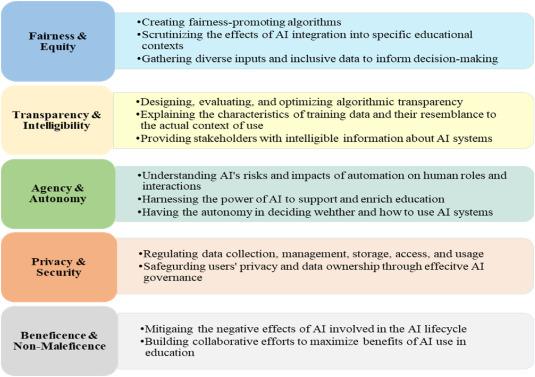
1. Data Privacy and Security
- Collection of Sensitive Information: AI systems ofen require access to detailed student data, such as performance metrics, learning patterns, and even behavioral data.
- Data Security Risks: Schools and edtech companies must implement robust cybersecurity measures to prevent unauthorized access or data breaches.
- Consent and Transparency: Students and parents must be informed about how their data is being collected, stored, and utilized.
2. Algorithmic Bias and Fairness
- Bias in Training Data: If AI models are trained on biased past data, they may perpetuate existing inequalities, affecting underrepresented groups.
- Lack of Accountability: It can be difficult to determine who is responsible for biased decisions made by AI algorithms.
- Unequal Access: Not all schools or students have the same access to AI-driven tools, which could widen the digital divide.
3. Transparency and Explainability
- Black Box Problem: Many AI systems operate in ways that are difficult to understand, making it hard for educators to interpret outcomes.
- Decision Justification: Teachers, students, and parents deserve clear explanations about how AI-driven recommendations or assessments are made.
4. Impact on Teacher and Student Roles
- Teacher Autonomy: There is concern that AI could undermine the critical role of educators in shaping and personalizing learning experiences.
- Student Agency: Over-reliance on AI recommendations might limit students’ opportunities to self-direct their own learning.
5. Long-Term Societal Impacts
- What skills are we prioritizing in a world where AI is heavily involved?
- How will AI-driven education influence job readiness, critical thinking, and lifelong learning?
Benefits of AI When Used Responsibly in Education
Despite these challenges, leveraging AI ethically in education brings significant benefits:
- Personalized Learning Paths: Adaptive AI systems can cater to each student’s unique strengths and needs.
- Real-Time Feedback: Instant insights help both teachers and students identify gaps and optimize learning strategies.
- Administrative Efficiency: Automated grading and reporting allow educators to spend more time teaching and less time on paperwork.
- Accessibility: AI-powered tools can assist students with disabilities by offering customized resources and support.
Practical Tips to Maximize Benefits Ethically:
- establish clear data governance policies.
- Use diverse and representative datasets for training AI models.
- Choose AI vendors with transparent and explainable systems.
- Regularly audit AI outcomes for bias or inaccuracies.
- Encourage open dialog among students, parents, and teachers about AI’s role in learning.
Case Studies: Real-World Examples of Ethical Dilemmas
Case Study 1: Predictive Analytics and Student Tracking
A major school district in the United States adopted an AI-based system to predict which students were at risk of failing or dropping out. While intended to provide early interventions, concerns arose:
- Data Accuracy: Incorrect predictions led to some students being unfairly labeled.
- Stigma: Students identified as ‘high risk’ sometimes faced unintended discrimination or bias.
- Questionable Interventions: The lack of human oversight meant some necessary supports were overlooked by automated systems.
Case Study 2: Automated Essay Scoring
Several states implemented AI-powered essay scoring to speed up standardized testing.However, independent reviews found:
- Bias Against Non-Native Speakers: Essays from students whose first language was not English often received lower scores, despite strong content.
- Lack of Transparency: Teachers could not review the rationale for given scores, making it difficult to contest or address errors.
Lessons Learned
- Human oversight remains essential in all AI applications within education.
- continuous review and advancement of AI models is necessary to mitigate bias.
- Open communication and transparency build trust among all stakeholders.
Best Practices for Responsible Use of AI in Education
Ensuring responsible AI use in education involves a multi-faceted approach combining technology, policy, and human intervention:
- Adopt Transparent and Explainable AI Systems
- Work with vendors who can clearly explain their AI models and outcomes.
- Provide teachers and students with understandable, actionable AI feedback.
- Prioritize Data Privacy and Security
- Utilize encryption,access controls,and regular security audits.
- Secure informed consent before collecting or using student data.
- proactively Mitigate Bias
- Diversify datasets to minimize algorithmic bias.
- Conduct routine fairness audits on AI outcomes.
- Empower Teachers and Students
- Use AI as a tool, not a replacement, for human judgment in the classroom.
- Offer professional advancement for educators on AI tools and ethical issues.
- Foster Ongoing Stakeholder Conversation
- Regularly engage parents, students, and educators in dialogue about how AI is used and its impacts.
- Invite feedback and address concerns promptly and openly.
- Follow local and global Legal Requirements
- Ensure all uses of AI align with local privacy laws (such as FERPA, GDPR).
- stay informed about evolving regulations governing educational AI.
Conclusion
The ethical considerations of AI in education are multi-dimensional,demanding vigilance,transparency,and a shared sense of responsibility among all stakeholders.When implemented thoughtfully, AI can contribute to greater equity, personalized learning, and improved educational outcomes. As technology continues to evolve, ongoing dialogue, regular audits, and active participation from educators, students, and parents will be essential for ensuring that AI’s promise in education is realized responsibly and meaningfully.
By approaching the integration of AI in the classroom with a careful eye on privacy, fairness, and transparency, we can harness the transformative power of educational technology—while protecting what matters most: the rights and futures of our students.