
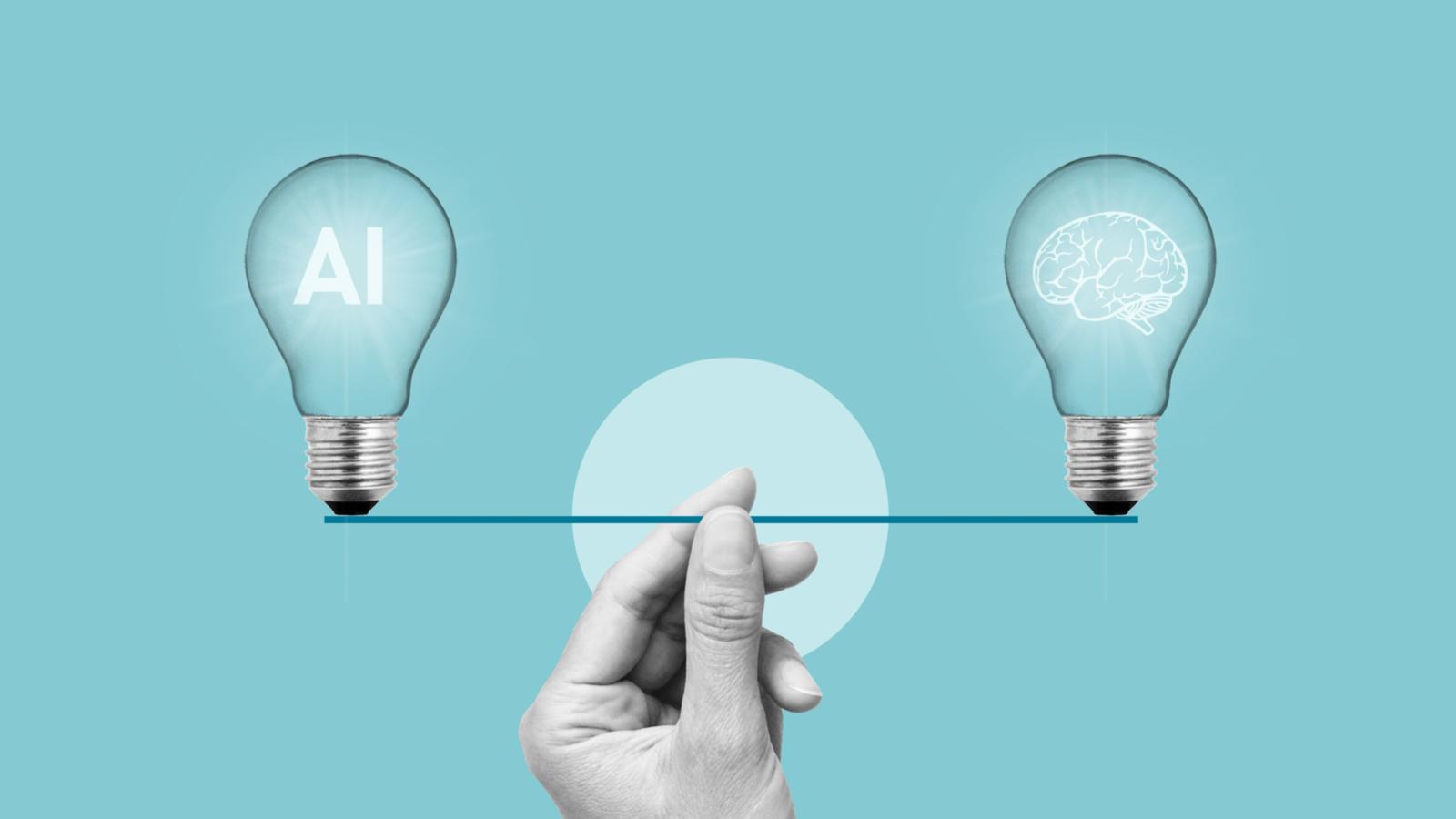
Ethical Considerations of AI in Education: Navigating Challenges and Opportunities
Introduction: The Rise of AI in Education
Artificial Intelligence (AI) is rapidly changing the educational landscape, promising innovative solutions to age-old teaching and learning challenges.From personalized learning paths to automated grading systems, AI-powered tools are enabling educators to create engaging, adaptive, and efficient learning experiences. However, the increased adoption of AI in education also raises critical ethical issues that must be addressed to ensure responsible, equitable, and effective use of technology. In this article, we delve deeply into the ethical considerations of AI in education, exploring both the opportunities and the potential pitfalls – and offering practical tips to navigate this evolving terrain.
Why Ethical Considerations Matter in AI-Driven Education
As educational institutions integrate more AI-powered solutions, ethical concerns come to the forefront. Decision-making processes once reserved for teachers, counselors, and administrators are now influenced by algorithms—raising new questions about fairness, clarity, privacy, and accountability. Failing to prioritize ethics can lead to unintended consequences such as perpetuating bias,violating student privacy,or deepening educational inequities.
Key Ethical Challenges of AI in Education
Let’s explore the most pressing ethical considerations affecting AI adoption in educational settings.
- Bias & Fairness: AI systems can reflect and amplify existing biases in training data, potentially leading to unfair recommendations or evaluations for certain student groups.
- Student Privacy: Many AI tools require access to sensitive student data, raising concerns about data security, consent, and misuse.
- Transparency: AI algorithms often work as “black boxes,” making it challenging for educators and students to understand how certain decisions are made.
- Autonomy & Agency: Over-reliance on AI can decrease students’ and teachers’ sense of agency, shifting critical educational judgments to opaque systems.
- Access & Equity: Not all schools and students have equal access to AI-enhanced learning tools, potentially widening the digital divide.
- Accountability: It’s often unclear who is responsible when mistakes are made—developers, educators, or the AI itself?
Opportunities: How AI Can Advance Ethical Education
While challenges exist, AI also offers transformative opportunities to enhance education ethically:
- Personalized Learning: AI can adapt content and pace to suit individual student needs, promoting inclusivity and better outcomes.
- Automated Grading & Feedback: Reduces educator workload, allowing for more focus on mentorship and student support.
- Early Intervention: AI can identify at-risk students early, enabling timely assistance and improving retention rates.
- Resource Optimization: Streamlines administrative tasks, making resource allocation more effective and targeted.
- Scalable Learning: AI makes quality education more accessible, especially for remote or under-resourced communities.
Case Studies: Lessons from the Field
Real-world examples illustrate both the promise and pitfalls of AI in education:
Case Study 1: AI-Based Admissions Algorithms
Several universities have experimented with AI-powered admissions processes to handle large applicant pools.However, controversy arose when analyses revealed that these algorithms sometimes discriminated against specific demographics, echoing biases in past data. Universities learned that continuous human oversight and regular audits were vital for fairness.
Case Study 2: personalized Learning Platforms
A public school district implemented adaptive learning software to tailor math lessons. Teachers observed improved engagement among students, especially those with learning differences. Though, privacy concerns were raised over third-party data sharing, prompting the district to review vendor contracts and bolster data protection policies.
Best Practices for Ethical AI Integration in Education
To foster ethical AI adoption, educators and institutions can implement these strategies:
- Ensure transparency: Select AI tools that offer clear documentation on how algorithms work. Explain AI-driven decisions to students and parents in plain language.
- Mitigate Bias: Regularly audit AI systems for bias and discrimination. Incorporate diverse datasets and perspectives during development.
- Prioritize Data Privacy: Adhere to regulations such as GDPR and FERPA. Use data anonymization and encryption, and collect only the facts absolutely necessary.
- Promote Inclusivity: Involve all stakeholders—students, parents, educators, and administrators—in AI tool selection and implementation. Address accessibility and language barriers.
- Maintain Human Oversight: Treat AI as a decision-making aide, not a replacement. Teachers and administrators should have the final say in critical educational judgments.
- Critical digital Literacy: Educate students about AI’s capabilities and limitations, fostering digital citizenship and critical thinking.
Practical Tips: Navigating AI’s Ethical Challenges in the Classroom
- Start Small, Evaluate Often: Pilot new AI tools in limited settings, gather feedback, and assess impact before full-scale integration.
- Establish Clear Data Policies: Clearly inform students and families about what data is collected, who has access, and how it will be used.
- Foster a Culture of Questioning: Encourage discussions around how AI influences learning, and empower students to question AI-driven outcomes.
- Regular Training for Staff: Provide ongoing professional development for teachers and IT staff on ethical AI use and data protection.
- Collaborate Across Disciplines: Work with ethicists, technologists, legal advisors, and student representatives to develop robust AI governance frameworks.
Conclusion: Shaping an Ethical Future for AI in Education
The integration of AI in education presents both exciting opportunities and formidable ethical challenges. Being mindful of these issues is not just a matter of compliance—it is indeed key to fostering trust, protecting student rights, and ensuring educational equity. By proactively addressing the ethical considerations of AI, schools and educators can leverage machine learning and intelligent systems as allies in human-centered learning. The way forward requires thoughtful collaboration, ongoing vigilance, and a strong commitment to placing students’ well-being and learning outcomes at the heart of every technological innovation.
As AI continues to transform classrooms and campuses worldwide, let us ensure its impact is positive, responsible, and just—empowering every learner for the future.