
Ethical Considerations of AI in Education: Navigating Risks,Benefits,and Best Practices
artificial intelligence (AI) is rapidly transforming education,revolutionizing the way students learn and educators teach. From individualized learning experiences to automated grading and intelligent tutoring,the integration of AI in education brings a multitude of opportunities. However, with this technological advancement come complex ethical considerations. Understanding the risks, benefits, and ethical best practices of AI in education is essential for educators, administrators, policymakers, and parents to harness its potential while safeguarding students’ rights and well-being.
What is Artificial Intelligence in education?
In educational contexts, AI refers to algorithms and software systems that simulate human intelligence, enabling adaptive learning environments, intelligent assessment tools, chatbots, and administrative automation. As AI-driven solutions become mainstream in schools and universities, discussions about privacy, bias, openness, and accountability intensify. The goal is to create a balanced, ethical framework that maximizes the benefits of AI in education while minimizing its risks.
Benefits of AI in Education
Implementing AI in educational settings presents significant opportunities for students, teachers, and learning institutions. Key benefits include:
- Personalized Learning: AI-driven platforms analyze students’ strengths,weaknesses,and learning styles to tailor instructional materials and pace,fostering improved outcomes and engagement.
- Efficiency and Automation: Automation of administrative tasks,grading,and scheduling allows educators to focus more on teaching and mentorship.
- Real-Time Feedback: Students receive instant feedback, allowing for immediate remediation and adaptive learning pathways.
- Enhanced Accessibility: AI tools can accommodate diverse learning needs, including students with disabilities, by providing accessible formats and resources.
- data-Driven Insights: Educators gain valuable insights into learning patterns, helping them adjust strategies and interventions proactively.
Risks and Ethical Challenges of AI in Education
Despite its potential, the introduction of AI in education comes with notable risks and ethical dilemmas:
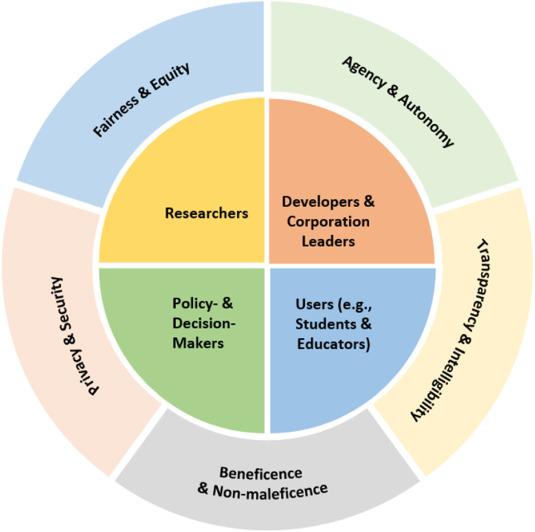
- Data Privacy and Security: Student data is highly sensitive. AI systems often require vast amounts of personal information, raising concerns over data protection, storage, and unauthorized access.
- Algorithmic Bias and Fairness: AI models may perpetuate or even worsen existing biases present in training data, leading to unfair outcomes for marginalized or minority groups.
- Lack of Transparency: Many AI processes are opaque (“black boxes”), making it difficult for educators and students to understand or challenge decisions made by AI systems.
- Accountability: As decision-making is increasingly delegated to AI, determining responsibility for errors or adverse outcomes becomes more complex.
- Impact on Teacher Roles: Over-reliance on AI could devalue human teaching, undermining the importance of emotional intelligence, creativity, and interpersonal relationships.
- Student Autonomy: Excessive automation may limit students’ ability to think critically, fostering dependency on technology rather than promoting autonomous learning.
Best Practices for Ethical AI Implementation in Education
To ensure responsible and ethical use of AI in educational settings, stakeholders should adopt these best practices:
1. Ensure Transparency and Explainability
- Use AI systems that provide understandable explanations for their decisions and recommendations.
- Educate all stakeholders—students, guardians, teachers—on how AI technologies work and their intended purposes.
2. Protect Student Privacy
- Comply with strict data protection laws and frameworks (such as FERPA, GDPR).
- Limit data collection to only what is absolutely necessary for educational purposes.
- Store and process data securely using robust encryption and access control measures.
3. Combat Algorithmic Bias
- Regularly audit AI systems for biased outcomes against any demographic group.
- Use diverse,representative data to train AI models.
- Establish review processes to address and rectify detected biases or inequities.
4. Foster Human Oversight and Collaboration
- Maintain human oversight in all critical decision-making processes affecting students.
- Encourage collaboration between educators and technologists to co-design AI systems.
- Empower teachers to use AI as a supportive tool, not a replacement.
5. Promote Digital Literacy
- Incorporate ethical AI education and digital literacy into curriculums for both students and educators.
- Help students develop critical thinking and ethical reasoning skills related to emerging technologies.
Case Studies: Ethical AI in Action
Case Study 1: AI-Based Learning Platforms
In 2023, a leading online university adopted an AI-driven adaptive learning platform. Early feedback revealed concerns about the algorithm favoring English-native speakers in reading comprehension quizzes. The institution responded by diversifying its training dataset and deploying regular audits, substantially improving fairness across diverse student populations.
Case Study 2: Automated Grading in High Schools
A major school district piloted automated essay grading to speed up assessment. However, teachers noticed the AI disproportionately penalized students using non-standard dialects. By analyzing grading outcomes and retraining the model with inclusive language datasets, the district balanced efficiency with equity.
first-Hand Experience: Teacher’s Viewpoint
Ms. Amanda Carter, a high school math teacher, shares, ”AI tools have been invaluable for identifying struggling students in real-time. But I always review the recommendations before acting.maintaining this human touch is crucial to ethical and effective teaching.”
Tips for Schools: Building an Ethical AI Framework
- Create clear AI use policies: Establish complete guidelines detailing permitted AI uses, ethical standards, and data governance.
- Engage stakeholders: Involve students, parents, teachers, and IT experts in AI policy formulation and review.
- Invest in ongoing training: Provide professional development on AI literacy and ethics for educators and administrators.
- Monitor and evaluate: Set up regular audits and feedback channels to review AI impacts, address concerns, and improve systems.
- Communicate openly: Offer transparency about how AI is used, managed, and how data is safeguarded within the institution.
Conclusion: Shaping an Ethical AI Future in Education
As AI continues to reshape education, the conversation must center around ethics, equity, and responsible innovation. By understanding the risks, harnessing the benefits, and applying best practices, educators and institutions can foster an surroundings where technology serves every learner while upholding the highest standards of privacy, fairness, and trust. Navigating the ethical considerations of AI in education isn’t just about compliance; it’s about shaping a future where all students thrive.
Looking ahead, ongoing dialog, stakeholder engagement, and responsive policy development will be key.By keeping ethical considerations at the forefront, schools and universities can led the way in leveraging AI in education for the benefit of all.