
Ethical Considerations of AI in Education: Navigating Risks,benefits,and Responsible Use
Introduction
Artificial Intelligence (AI) is rapidly transforming the educational landscape,promising groundbreaking advancements in personalized learning,automation,and accessibility.But as AI-driven technologies become more prevalent in classrooms and administrative systems, critical ethical concerns arise. Understanding the ethical considerations of AI in education is essential for educators, administrators, policymakers, students, and parents alike. This article explores the key risks, benefits, and responsible practices for integrating AI into educational settings, helping you navigate this evolving terrain with confidence and clarity.
Understanding the Role of AI in education
AI in education refers to the application of machine learning algorithms, natural language processing, and data analytics to enhance teaching and learning experiences. From AI-powered adaptive learning platforms to automated grading and virtual tutors, the possibilities are nearly endless. However, each innovation brings forth unique ethical implications that require thoughtful consideration.
- Adaptive Learning: Customizes content based on student progress
- Automated Feedback: Provides instant feedback on assignments and quizzes
- Chatbots & Virtual Assistants: Support students with inquiries and administrative tasks 24/7
- predictive Analytics: Identifies at-risk students and facilitates timely interventions
While these tools offer considerable advantages, their integration must prioritize both the well-being and privacy of learners.
Benefits of AI in Education
Properly implemented, AI can drive positive change across multiple dimensions of education:
- Personalized Learning: AI tailors educational content to individual learning styles and progress rates, promoting deeper engagement and understanding.
- Efficiency and Automation: Automating administrative tasks frees up valuable time for teachers to focus on student interactions and creative lesson planning.
- Accessibility: AI-powered tools like speech-to-text, language translation, and adaptive resources empower students of all abilities and backgrounds to succeed.
- Data-Driven insights: AI analyzes large volumes of educational data, helping educators make informed decisions about instructional strategies and intervention.
- Scalability: Virtual tutors and automated systems can support large numbers of students simultaneously, bridging gaps in resources and staffing.
These benefits of AI in education herald a future where learning is not only more efficient but also more equitable—provided ethical principles remain at the core of implementation.
Ethical Risks Associated with AI in Education
Despite its promise, AI introduces several ethical dilemmas that educators and institutions must address to avoid unintended consequences:
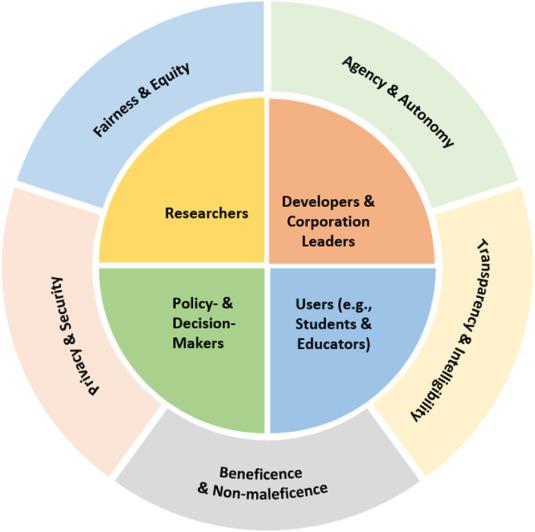
- Data Privacy and Security: AI systems require vast amounts of student data.Without proper safeguards, this data can be vulnerable to breaches and misuse, compromising student safety and confidentiality.
- Algorithmic Bias: If AI algorithms are trained on flawed or incomplete datasets, they may perpetuate discrimination or reinforce stereotypes—impacting decisions such as admissions, grading, or interventions.
- lack of Transparency: Many AI models operate as “black boxes,” making it difficult for educators and learners to understand how decisions are made.
- Loss of Human Agency: Over-reliance on AI may marginalize the critical roles of teachers and diminish student autonomy.
- Digital Divide: Unequal access to AI-powered tools can widen educational disparities between students of different socioeconomic backgrounds.
- Consent and Informed Use: Students and parents may not be fully aware of how their data is being used or their rights regarding AI-driven decisions.
Recognizing and mitigating these AI ethical risks in education is crucial for maintaining trust and upholding the integrity of the educational process.
responsible Use of AI: Best Practices for Educators and Institutions
- Prioritize Data Protection: Implement strict security protocols and anonymize student data wherever possible. Ensure compliance with GDPR, FERPA, and relevant local data protection laws.
- Mitigate Algorithmic Bias: Use diverse,representative datasets to train AI models. Regularly audit algorithms for fairness and accuracy.
- Enhance Transparency: Choose AI solutions that offer clear explanations for their outputs. Communicate openly with all stakeholders about how AI decisions are made.
- Empower Human Oversight: AI should augment, not replace, teachers and administrators. Maintain human veto power over significant decisions.
- Promote Digital Equity: Invest in infrastructure and training to ensure all students and teachers can access and effectively use AI-powered resources.
- Obtain Informed Consent: Clearly inform students and parents about data collection, AI processes, and their rights. Allow opportunities to opt out where feasible.
By embracing these AI best practices in education, schools can maximize benefits while minimizing ethical pitfalls.
Case Studies: AI Integration and Ethical Lessons
Case study 1: Predictive Analytics in Student Performance
A public high school in the United States adopted a predictive analytics system to identify at-risk students and provide targeted support. While the intervention improved graduation rates, it also raised concerns about data privacy and the labeling of students based on algorithmic predictions. The district responded by enhancing data governance practices and ensuring all interventions were reviewed by human counselors.
Case Study 2: Adaptive Learning Platforms in Higher Education
A large university implemented an AI-powered adaptive learning system in introductory math courses. Student surveys revealed increased satisfaction and improved outcomes, but faculty members noticed that some students in underrepresented groups struggled with the platform. The university collaborated with the AI provider to refine the algorithm and offer additional learning supports, resulting in more equitable outcomes.
Practical Tips for Navigating AI Ethical Considerations in the Classroom
- Involve Stakeholders: Engage students,parents,teachers,and IT staff in decision-making processes when adopting new AI tools.
- Teach Ethical AI Literacy: Incorporate discussions about data privacy, bias, and algorithmic decision-making into the curriculum.
- Monitor AI Performance: Regularly review AI tool outcomes and solicit feedback to identify potential biases or issues early.
- Advocate for Inclusion: Ensure AI systems accommodate students with varied needs, learning differences, and cultural backgrounds.
These small yet significant steps help foster a culture of responsible and ethical AI use in educational environments.
Conclusion: Shaping the Future of Ethical AI in Education
The integration of artificial intelligence into education holds tremendous promise, from driving personalized learning to scaling quality instruction.However, realizing these benefits requires unwavering attention to the ethical considerations unique to AI in education—including data privacy, algorithmic fairness, and digital equity. By adopting responsible practices, maintaining transparency, and prioritizing student well-being, educators and institutions can harness the power of AI while preserving trust and integrity. As technology continues to advance, a commitment to ethical innovation in education will remain essential for shaping a future where every learner can thrive.