
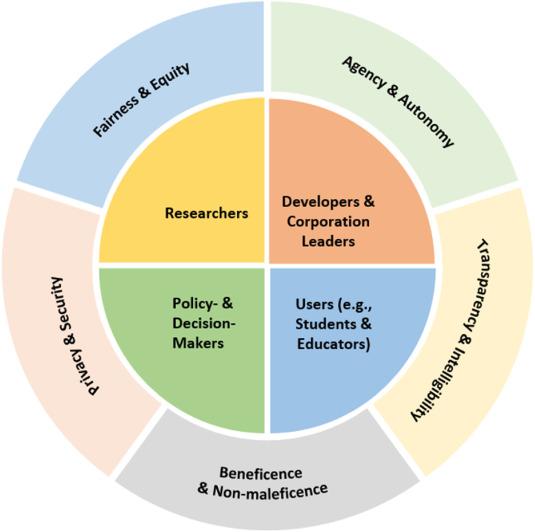
Ethical Considerations of AI in Education: Navigating Technology’s Impact on Learning
Artificial intelligence is transforming the modern classroom, promising personalized learning and innovation. But as educational institutions embrace AI technology, ethical questions arise. How can educators and policymakers ensure responsible use, safeguard student privacy, and create fair, inclusive experiences? This comprehensive guide explores the ethical considerations of AI in education, helping you navigate technology’s impact on learning with confidence.
AI in Education: A Game-Changer or Ethical Dilemma?
Artificial intelligence (AI) is rapidly shaping the future of education. From personalized learning platforms to automated grading systems and intelligent virtual tutors, AI-driven tools promise improved efficiency and engagement. However, responsible adoption requires careful consideration of ethical issues—particularly as AI influences every aspect of the learning journey.
Key Ethical Considerations of AI in Education
- Data Privacy & Security: Student data powers AI systems. How is sensitive information collected, stored, and used?
- bias & Fairness: Are algorithms promoting equity, or inadvertently reinforcing existing inequalities in the classroom?
- Transparency & Accountability: Who is responsible if an AI tool makes a harmful mistake, and do users understand how decisions are made?
- Human Oversight: Is human judgment preserved, or are educators ceding too much control to machines?
- Inclusivity & Accessibility: Does technology enable all students—including those with disabilities or from marginalized groups—equal opportunities to learn?
Benefits of AI in the Classroom
Despite ethical challenges, artificial intelligence offers compelling benefits in education:
- Personalized Learning: Adaptive platforms tailor lessons to each student’s pace, style, and interests.
- Streamlined governance: Automating grading, attendance, and scheduling frees teachers to focus on instruction.
- Improved Engagement: interactive chatbots and virtual reality tools enhance motivation and participation.
- Accessibility: Voice assistants and text-to-speech make content more available for students with disabilities.
Nonetheless, achieving these benefits must be balanced with careful ethical reflection.
Main Ethical Challenges When Implementing AI for Learning
1. Data Privacy and Protection
AI applications rely on vast amounts of student data to customize instruction and assess performance. Mishandling of data can jeopardize privacy and security.
- Data breaches put sensitive personal information at risk.
- Poor consent practices may violate parents’ and students’ rights.
Best practice: Schools must comply with regulations like FERPA and GDPR, adopt robust data encryption, and inform users about data usage transparently.
2. Algorithmic Bias and Fairness
AI systems may unintentionally reflect biases present in training datasets—leading to unfair assessments or recommendations.
- Minority and disadvantaged students might potentially be less accurately served by standardized models.
- Bias can perpetuate gaps in achievement rather than narrowing them.
Best practice: Diverse data sources and regular algorithm audits help uncover and correct bias in educational technology.
3.Transparency, accountability, and Human Control
AI “black boxes” can make decisions that are opaque to students and teachers, raising concerns about accountability.
- Who is responsible if an algorithm makes an error?
- Can teachers override AI recommendations?
- Do educators know how systems work?
Best practice: Technology providers should document decision processes and offer training to teachers to maintain meaningful oversight.
Case Studies: Navigating Ethical AI Use in Schools
AI-Assisted Grading in U.S. High Schools
Several American schools piloted AI-assisted grading for essay assignments. While the technology improved turnaround times, educators found:
- the algorithms favored certain writing styles, unintentionally disadvantaging ESL students.
- Teachers preferred to review AI grades before sharing feedback with students, to preserve fairness.
Personalized Learning Platforms in Europe
Adaptive math apps in Scandinavia showed:
- Increased student engagement, especially for those needing extra help.
- Strict adherence to GDPR standards protected student privacy, but required ongoing staff training.
Practical Tips for Ethical Implementation of AI in Education
For Educators and Administrators:
- Vet Vendors carefully: Only choose technology partners who demonstrate data security and bias mitigation.
- Gain Consent: Clearly communicate AI data usage practices to students and parents; obtain informed consent where required.
- Ongoing Professional Development: Regularly train staff about ethical AI, data privacy, and responsible technology use.
- Monitor and Audit: Continuously review system outputs, flagging potential bias or errors to ensure fair treatment for all learners.
- Foster Digital Literacy: Teach students how AI works and how to critically evaluate its role in education.
For Policymakers:
- Establish Clear Guidelines: Create and update policies reflecting new technologies, emphasizing ethical standards.
- Support research: Fund independent studies into AI impacts on equity and privacy in education.
First-Hand Experience: Teachers and Students Reflect
Students report both excitement and wariness:
- Positive: “Adaptive quizzes help me learn at my own pace.”
- Concerns: “I worry about who can see my quiz data.”
Such comments highlight the need for open dialogue and transparency when rolling out educational AI solutions.
Future Directions: Responsible AI Use in Learning Environments
as artificial intelligence in learning continues to evolve, future best practices may include:
- More Diverse Datasets: to increase fairness and portrayal.
- Stronger Regulations: To consistently protect privacy worldwide.
- Hybrid Human-AI Models: That leverage technology, but empower teachers to make final decisions.
Above all, a culture of ethical reflection must guide how schools adopt new technology.
Conclusion: Balancing Innovation with Ethics in Educational AI
AI in education offers unprecedented opportunities for personalized, accessible, engaging learning. But these advances come with serious ethical responsibilities for educators, administrators, and policymakers. By fostering responsible AI use in schools, maintaining open communication, and prioritizing privacy, fairness, and transparency, we can definately help all learners thrive in a tech-driven world.
- Want to learn more about ethical issues of AI in education? Watch our upcoming webinar on data privacy and technology in learning.
- Have a personal experience or concern? Share yoru story in the comments below—let’s keep the conversation going!
Embracing the promise of AI in the classroom is only possible when we remain vigilant—not only about what technology can do, but about how and why it should be used to truly benefit every student.