
Ethical Considerations of AI in Education: Safeguarding Students and Shaping teh future
Artificial Intelligence (AI) is ushering in an innovative era in education. from personalized lesson plans to intelligent grading systems, AI advances promise to transform classrooms and expand learning opportunities worldwide. But these rapid developments also present unique challenges and critically important ethical considerations.Addressing the ethical implications of AI in education is crucial to safeguarding students,supporting educators,and shaping a future where technology complements human potential.
Understanding AI in Education
AI in education refers to the submission of machine learning, natural language processing, and automation technologies to enhance teaching and learning. Some common uses include:
- Adaptive learning platforms that personalize content for individual learners.
- Automated grading and feedback systems.
- AI-powered chatbots providing academic assistance.
- Student performance analytics to predict outcomes and suggest interventions.
while AI offers many benefits, integrating these tools must be balanced with careful consideration of students’ rights, privacy, and equitable access.
Benefits of AI in Education
Before diving into the ethical landscape, it’s essential to recognize the benefits of AI in education:
- Personalized Learning: AI can tailor lesson plans and activities to individual learning styles, enhancing student engagement and outcomes.
- Accessibility: Automated transcription services, text-to-speech tools, and translation apps can assist students with disabilities and overcome language barriers.
- Teacher Support: AI enables educators to automate repetitive tasks, freeing up time for direct student interaction and creative lesson planning.
- Data-Driven Decisions: Analyzing large datasets helps schools identify at-risk students early and develop effective interventions.
Key Ethical Considerations of AI in Education
To harness the potential of AI in education responsibly,we must address a host of ethical concerns. Here are the most critical considerations:
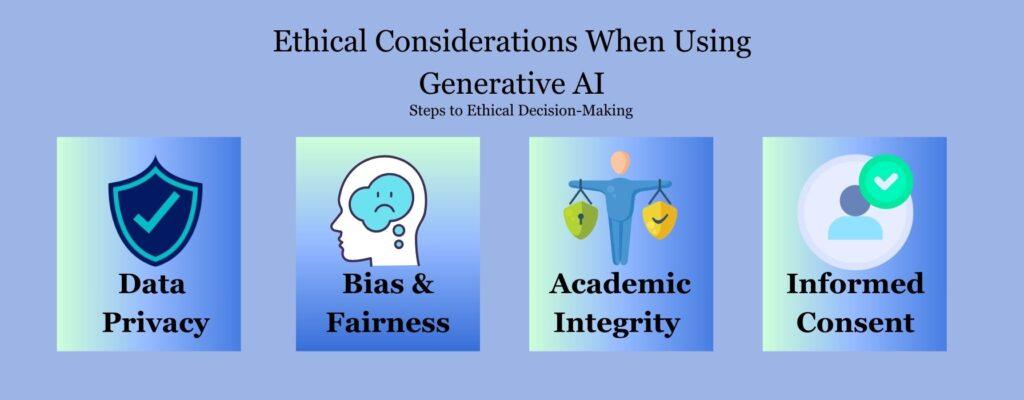
1. Student Privacy & Data Security
AI systems require vast amounts of data to function effectively. Protecting student data—including grades, behavior, and personal information—is paramount. Risks include:
- Unauthorized data collection or sharing.
- Data breaches exposing sensitive student information.
- Unclear data retention and deletion policies.
“in the digital age, safeguarding student privacy is not just a legal requirement—it’s a moral obligation.”
2. Algorithmic Bias and fairness
Algorithms can perpetuate biases present in their training data, leading to unfair outcomes:
- Disproportionate discipline recommendations for certain demographic groups.
- Unequal allocation of resources based on past data.
Ensuring that AI tools are transparent and regularly audited for bias is non-negotiable.
3. Openness and Accountability
How does an AI system generate its recommendations? Who is responsible if a system makes a mistake? Students,parents,and educators deserve:
- Clear explanations for how decisions are made.
- Recourse and support for challenging erroneous outcomes.
Black-box algorithms can erode trust and make the learning habitat less collaborative.
4. Consent and Student Autonomy
Respecting students’ agency means securing informed consent for data use and AI-driven interventions. This consideration is especially critically important for minors and vulnerable groups.
Practical Tips for Ethically Using AI in Education
- Prioritize Transparency: communicate openly with all stakeholders about how AI is used and what data is collected.
- Obtain Informed Consent: Gather explicit permission from students or guardians before collecting data, especially for minors.
- Audit Algorithms: regularly check for potential bias and adjust as necessary to ensure fair and just outcomes.
- Implement Strong Data Security: Use encryption and secure data storage protocols to prevent breaches.
- Foster Human Oversight: Ensure educators remain central in decision-making loops, using AI as a support tool—not a replacement.
The Role of Educators and institutions
Schools and universities bear significant responsibility in establishing policies and practices that safeguard students from potential harms. Steps they can take include:
- Drafting strict data privacy policies in compliance with regulations such as FERPA and GDPR.
- Providing regular professional advancement on the ethical use of AI technologies.
- Establishing AI ethics committees to oversee procurement and implementation decisions.
- Involving students and families in discussions about AI adoption.
Case Study: AI-Driven Personalization at a Leading High School
One progressive high school implemented an AI-powered platform that customized assignments and feedback for each student. Teachers noticed improved engagement and rising test scores. Though, students expressed concern about how their academic data was being used.
The school responded by hosting town hall meetings, allowing students and parents to voice concerns and suggest changes to the system.This led to more transparent data policies and built greater trust among all stakeholders. The case highlights the importance of not only adopting AI technology but also engaging users ethically and respectfully throughout the process.
Shaping the Future: AI Policy Recommendations
To create an ethically sustainable future for AI in education, policymakers and stakeholders should prioritize:
- Developing clear AI governance frameworks within educational institutions.
- Mandating regular impact assessments for all AI-driven educational tools.
- Supporting research into minimizing algorithmic bias and promoting digital inclusion.
- Encouraging industry transparency in AI tool development and deployment.
As these policies are established, continuous dialog with educators, students, technologists, and the community will ensure evolving needs are addressed and rights are protected.
Conclusion: Building a Trustworthy AI-Powered Education System
The ethical considerations of AI in education are as complex as they are critical. As we harness the power of AI to personalize learning, improve accessibility, and empower teachers, we must remain vigilant in protecting student privacy, eliminating bias, and fostering transparency. By centering students’ rights and well-being in AI adoption, we can build a trustworthy and inclusive educational landscape—one that prepares every learner for the opportunities and challenges of the future.