
Evaluating Learning Outcomes in Gamified Environments: Key Strategies and Insights
Gamification has revolutionized educational platforms and corporate training programs, offering engaging, interactive, and motivational learning experiences. but as gamified learning environments proliferate, educators, instructional designers, and organizations face the critical task of effectively evaluating learning outcomes. This article explores proven strategies and expert insights on how to assess achievement in gamified education, blending theory with practical advice for implementing successful evaluation frameworks.
Understanding Gamified learning Environments
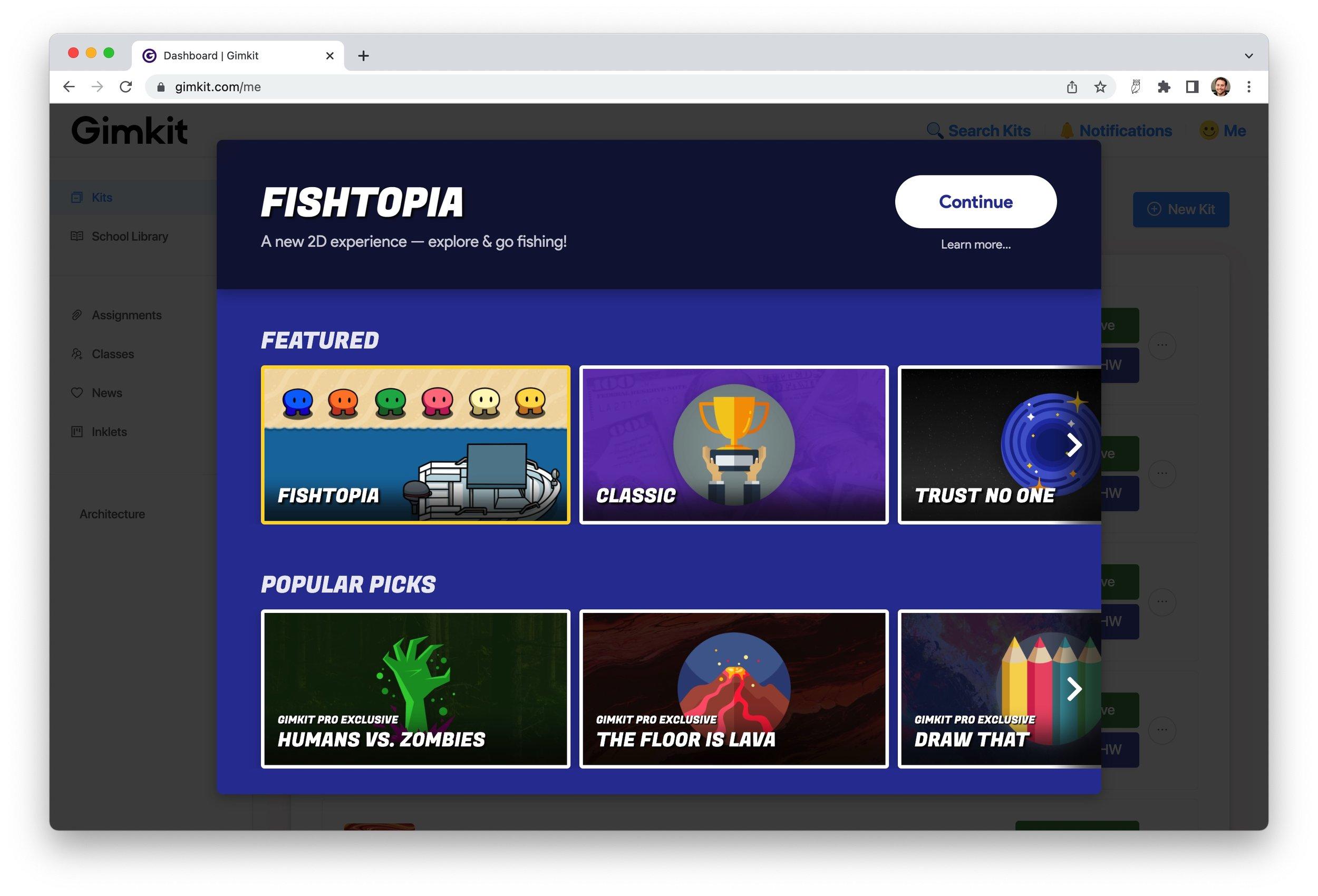
Gamified learning environments translate educational content into playful, rewarding experiences. Using elements such as points, badges, leaderboards, quests, and interactive scenarios, these systems encourage active participation and sustained engagement. The primary goals of gamification in learning are:
- Increasing learner motivation
- Facilitating knowledge retention
- Promoting collaboration
- Enhancing feedback cycles
While gamification boosts engagement, measuring its true effectiveness requires robust evaluation strategies tailored to these unique environments.
Why Evaluating Learning Outcomes Matters in Gamified Settings
Rigorous assessment in gamified learning is essential to:
- determine if educational objectives have been achieved
- Identify areas needing advancement
- Validate the investment in gamification tools
- Monitor learner progress and skill progress
- Shape future curriculum design and technology use
By systematically evaluating gamified learning outcomes,educators and organizations can ensure these environments nurture meaningful,lasting skills rather than superficial achievements.
Key Strategies for Evaluating Learning Outcomes in Gamified Environments
1. Defining Clear Learning Objectives
Before launching any gamified platform, clearly define measurable learning objectives.These should be specific, achievable, and directly tied to desired competencies or skills. Use the SMART framework (Specific,Measurable,Achievable,Relevant,Time-bound) to outline your goals.
2. Implementing Formative and Summative Assessments
Use a blend of assessment methods to gather comprehensive insights:
- Formative Assessments: Quizzes, in-game challenges, instant feedback loops, progress checkpoints.
- Summative Assessments: Final exams, performance-based tasks, portfolio submissions.
Embedding assessments naturally within gameplay can measure both knowledge acquisition and application.
3. Tracking In-Game Metrics and Analytics
Gamified environments generate rich data points, such as:
- Completion rates for levels or modules
- Time spent on tasks or challenges
- Frequency of hint usage or help requests
- collaboration and interaction metrics
- Badges, achievements, and leaderboard rankings
Leverage learning analytics platforms (like xAPI or SCORM) to collect, analyze, and visualize this data, detecting patterns that support or hinder learning outcomes.
4. Using Rubrics for Complex Skills
for higher-order thinking and collaborative tasks,establish rubrics that spell out criteria for success.Rubrics add clarity and consistency in evaluating skills such as critical thinking, problem-solving, and teamwork.
5. Peer and Self-Assessment
Encourage learners to assess themselves and their peers. Peer feedback and self-reflection are especially powerful in social or multiplayer gamified environments, fostering deeper learning and accountability.
6. Measuring Behavioral and Attitudinal Change
Gamification doesn’t just target subject mastery—it aims to shape behaviors and attitudes. Use pre- and post-surveys, focus groups, or interviews to evaluate changes in motivation, perseverance, collaboration, and confidence.
Benefits of Evaluating in Gamified Learning Environments
Effective evaluation unlocks a range of benefits for both learners and educators:
- Continuous Improvement: Identify what works, iterate quickly, and refine your gamified experience.
- Enhanced Engagement: Assessment can sustain engagement as learners see tangible progress.
- Targeted Support: Data-driven insights flag learners who might need extra help, allowing for timely intervention.
- Evidence-Based Decision Making: Validate that gamification drives real learning, shaping future investments in educational technology.
Practical Tips for Successful Evaluation
- Align game elements with objectives: Gamification features should reflect core educational goals, not distract from them.
- Avoid only tracking superficial badges: Look beyond leaderboards and points—assess actual skill development.
- Foster transparency: Share criteria, rubrics, and feedback openly with learners.
- Iterate rapidly: Use evaluation data to adjust challenges, rewards, or pacing regularly.
- Leverage technology: integrate LMS tools with gamified platforms for seamless analytics and reporting.
- Celebrate progress: Use badges and rewards not just for completion, but for mastery and growth.
Case Studies: Evaluating Learning in Gamified Education
Corporate Training Example
A global technology firm implemented a gamified cybersecurity training module. Using in-game quizzes, simulated attack scenarios, and a leaderboard, the company tracked:
- Module completion rates (95% post-launch, up from 63% pre-gamification)
- Average time to mastery (reduced by 30%)
- Surveyed employee confidence (up by 40%)
This data demonstrated robust improvements in both skill acquisition and employee engagement.
K-12 Education Example
An elementary school used a gamified math app, tracking progress thru digital badges and challenge levels. Metrics revealed:
- Increased time-on-task
- Higher retention rates (measured by post-tests)
- Improved collaborative skills, as assessed by peer review and teacher observation
Evaluation aligned with broader educational goals, validating the app’s impact beyond just points scored.
First-Hand Experiences and Insights
“In my classroom, gamified activities helped break down complex scientific concepts into manageable, engaging puzzles,” shares Marsha T., a high school biology teacher. “But the real breakthrough came from ongoing evaluation—using rubrics for lab teamwork, peer-assessed game challenges, and tracking mastery over time.My students didn’t just compete—they improved tangible skills.”
Such experiences underline the need for thoughtful, multi-faceted evaluation approaches. By blending data, feedback, and observation, educators harness both the motivational power of gamification and real evidence of learning.
Conclusion: The Future of Evaluation in gamified Learning
Evaluating learning outcomes in gamified environments is both an art and a science. By combining clear objective setting, robust assessment tools, data analytics, and qualitative feedback, educators and organizations can extract meaningful insight from these innovative platforms. Rigorous evaluation not only demonstrates gamification’s impact on learner engagement and mastery, but also guides adaptive improvements for future success.
As gamified learning continues to transform education and training, those who implement thoughtful, multi-layered evaluation strategies will unlock the full potential of these environments—empowering learners to achieve lasting, measurable growth.