
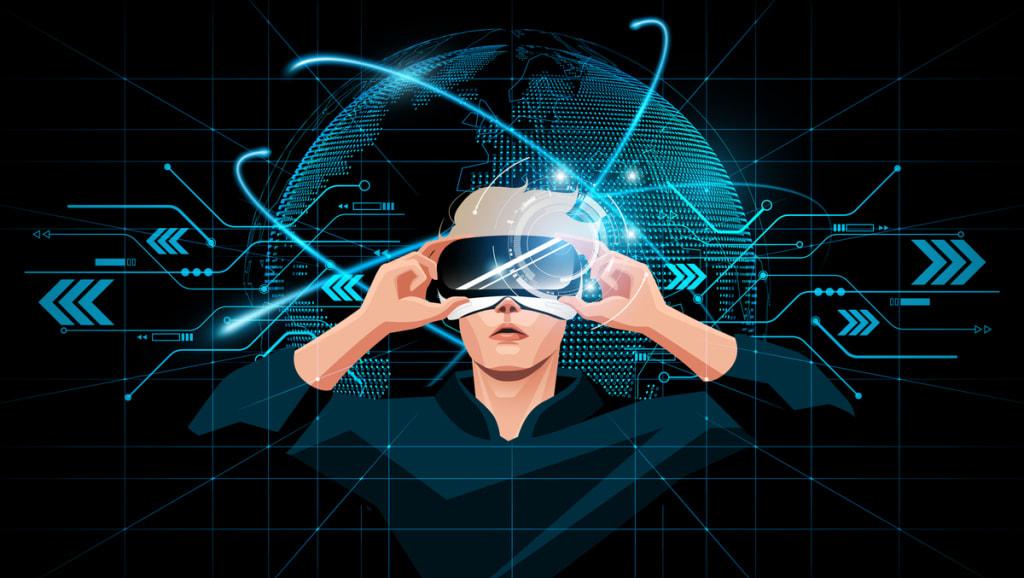
Evaluating the Effectiveness of VR/AR in Education: Benefits, Challenges, and Impact
Virtual Reality (VR) and Augmented Reality (AR) are reshaping the future of education.
These immersive learning technologies are fast becoming essential tools for educators seeking innovative ways to deliver content, engage students, and enrich learning experiences.
but how effective are VR/AR applications in education? In this extensive guide, we delve into the benefits, challenges, and measurable impact of VR/AR in educational settings, sharing practical tips and real-world case studies to paint a clear picture for educators, students, and stakeholders.
What Is VR/AR in Education?
Virtual Reality (VR) immerses users in a fully digital habitat, frequently enough using headsets and interactive elements, while Augmented Reality (AR) overlays digital information onto the real world, typically through smartphones or tablets. In educational contexts, these technologies transform conventional learning methods, providing interactive and multisensory experiences that can make abstract concepts tangible.
Benefits of VR/AR in Education
Integrating VR and AR into classrooms offers significant advantages over conventional teaching approaches.Here’s why these technologies are gaining traction in schools and universities worldwide:
- Enhanced Engagement: Immersive experiences captivate students’ attention and motivation to learn, resulting in deeper understanding and longer retention.
- Active Learning & collaboration: VR/AR apps promote hands-on, experiential learning. Students can experiment,solve problems,and collaborate in virtual environments,cultivating soft skills in the process.
- Safe Simulation Environments: VR provides risk-free spaces to practice tasks—whether it’s conducting science experiments or exploring historical events—without real-world hazards.
- Accessible and Inclusive Education: For students with different learning needs, AR and VR can present information in visually engaging ways, leveling the educational playing field.
- Cost & Time Efficiency: Digital simulations can reduce the cost of materials and enable faster, more efficient learning cycles.
- Enhanced Visualization: Complex STEM concepts, anatomy, or architectural structures become easier to grasp through 3D visualization and manipulation.
According to EdTech Magazine, students learning with VR/AR demonstrate up to 30% higher retention rates than those using traditional methods.
Challenges of Adopting VR/AR in Education
Despite the numerous benefits, implementing VR and AR in educational settings also brings several challenges. It’s important to consider these obstacles to make adoption enduring and effective:
- High Initial Investment: VR/AR headsets, suitable software, and technical infrastructure can be costly, especially for underfunded schools.
- Technical Barriers: Not all educators have the skills to operate or develop VR/AR content, highlighting a need for professional training.
- Limited Content Availability: While the content library is growing, some subjects and curricula may lack high-quality, relevant VR/AR experiences.
- Health and Safety Concerns: Prolonged headset usage can cause eye strain, motion sickness, or discomfort.
- Equity and Accessibility: Socioeconomic disparities may limit access to advanced technology for certain demographics or regions.
Evaluating the Impact of VR/AR in classrooms
Key Metrics for Effectiveness
- Student Engagement: Are learners more enthusiastic and participative during lessons with VR/AR integration?
- Learning Outcomes: Do test scores, grades, or standardized assessment results improve after VR/AR-based instruction?
- Retention and Recall: Do students remember and apply concepts better over time?
- Educator Feedback: What are teachers reporting regarding lesson delivery, student progress, and ease of content integration?
- Usability & Accessibility: Can all students, including those with disabilities, effectively interact with the technology?
Research Findings
Studies published in the Frontiers in Education journal have shown that immersive VR applications can increase student motivation and academic performance, especially in science and engineering subjects. AR tools are credited with making abstract and spatial concepts more concrete, according to education Technology Research & advancement.
VR/AR in Education: real-World Case Studies
1. medical Training and Simulation
Universities like harvard Medical School have implemented VR anatomy labs,enabling students to interact with 3D human models. This has led to improved anatomical understanding and procedural competence among medical students.
2. Historical Reenactments
the British Museum introduced AR-powered tours, allowing students to see ancient artifacts and historical events come alive. educators reported increased student curiosity and critical thinking skills.
3. STEM Virtual Labs
Platforms like labster offer VR lab simulations used in high schools and universities globally. Schools using these platforms have noted higher student participation rates and understanding of complex scientific processes.
Best Practices and Practical Tips for Integrating VR/AR in Education
- Start Small: Pilot one or two high-impact VR/AR experiences before scaling up across subjects or grade levels.
- Choose Relevant Content: Select applications that directly align with curriculum goals and learning objectives.
- Train Educators: Organize workshops and training sessions to ensure teachers are comfortable with the technology.
- Ensure Inclusivity: Opt for VR/AR solutions with accessibility features, including text-to-speech, adjustable fonts, and language support.
- monitor Usage & Gather Feedback: regularly assess student engagement and learning outcomes, and be agile in adapting methods accordingly.
First-Hand Experience: Educator’s Perspective
“Integrating VR into my science classroom transformed the way my students understood molecular biology. instead of reading about DNA structures, they explored and built them in 3D. Engagement soared, and test scores improved notably in the following assessment.”
— Sarah J., High School Science Teacher
Experiences like Sarah’s highlight the tangible and profound changes immersive technology can bring to classroom dynamics and student outcomes.
Conclusion: The Future of Immersive Learning
Evaluating the effectiveness of VR/AR in education reveals its power to revolutionize learning, bridging gaps in comprehension, engagement, and accessibility.
While challenges—such as cost and training—remain, the rapid evolution of technology is making immersive learning increasingly accessible for schools worldwide.
As research and real-world implementation continue to grow, one thing is clear: VR and AR in education are not passing trends, but essential pillars in the future of teaching and learning.
Are you ready to bring your classroom into the future? Explore VR/AR tools, invest in professional development, and watch students thrive in the new age of immersive education.