
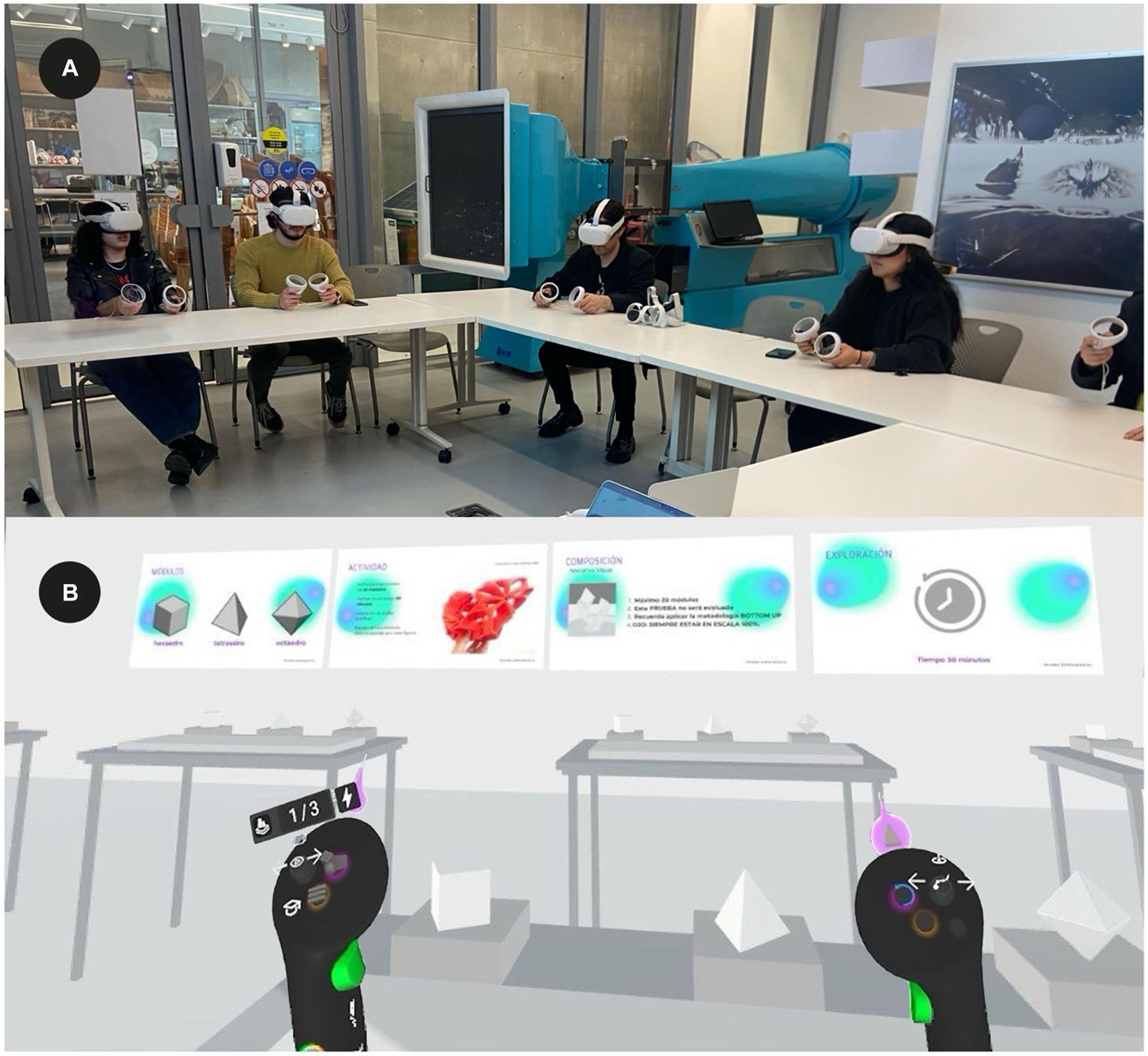
Evaluating the Effectiveness of VR/AR in Education: Do Virtual Technologies transform Learning?
Virtual Reality (VR) and Augmented Reality (AR) are rapidly reshaping the educational landscape, promising immersive, interactive, and highly engaging learning environments. As technology continues to evolve, educators and institutions face a compelling question: Do virtual technologies genuinely transform learning? This complete article evaluates the effectiveness of VR/AR in education, highlighting their benefits, real-world case studies, and practical strategies for implementation while addressing challenges and future prospects.
How Virtual reality (VR) and Augmented Reality (AR) Work in Education
VR and AR technologies use advanced hardware and software to create lifelike, interactive simulations:
- Virtual Reality: Provides a fully immersive experience by placing students in a digitally created environment, accessible via headsets such as Oculus Quest or HTC Vive.
- Augmented Reality: Overlays virtual information (images,sounds,text) onto the real world,typically using tablets,smartphones,or AR glasses like Microsoft HoloLens.
These technologies allow students to actively engage with educational content—transforming passive lessons into interactive learning experiences.
Benefits of VR/AR in Education
1. Enhanced Engagement and Motivation
Interactive environments grab students’ attention:
- Students are more likely to stay focused during lessons.
- Gamification elements make learning fun and memorable.
2. Real-World Simulation
- Medical students practice surgeries in virtual operating rooms.
- Engineering students build and test models in 3D simulations.
3. Experiential Learning
VR/AR bridges theory and practice, allowing students to “learn by doing.” Geography students can “walk” through ancient civilizations, while chemistry students can experiment with molecules in a virtual lab.
4. Accessibility and Inclusivity
- Students with physical disabilities can participate in activities previously out of reach.
- AR provides real-time translation and accessibility features for diverse learners.
5. Improved Retention and Understanding
Studies suggest that students learn better and retain information longer when actively engaged.VR/AR encourages active participation, fostering deeper comprehension compared to conventional rote memorization.
Case Studies: Real-World Impact of VR/AR in Education
1. Stanford Virtual Heart
Stanford University developed the Stanford Virtual Heart, a VR tool used to teach medical students about congenital heart defects. Medical trainees navigate a 3D heart, interactively exploring its structure and diagnosing conditions. Feedback has shown a significant increase in understanding and confidence among students.
2. Google Expeditions
Google Expeditions allows students to take virtual field trips to places like the Great Barrier Reef and Mars.Educators report higher engagement levels and improved retention of scientific concepts after using AR learning modules.
3. AR Mathematics at University of Central Florida
Faculty implemented AR apps to teach complex mathematical theories.Students manipulate interactive 3D models, leading to a measurable betterment in test scores and confidence with abstract concepts. The technology also helps identify students struggling with spatial reasoning, allowing for targeted remediation.
Challenges to Adoption: What’s Getting in the Way?
Despite its promise, integrating VR/AR in classrooms presents challenges:
- Cost and Accessibility: High-end headsets and software can be expensive, making widespread adoption more difficult, especially in underserved schools.
- Technical Training: Teachers require time and training to effectively integrate VR/AR into traditional curricula.
- Content Limitations: Not all subjects are equally suited for virtual technologies, and developing quality educational content remains an ongoing challenge.
- Digital Fatigue: Extended usage may cause discomfort or fatigue among students, highlighting the need for balanced integration.
First-Hand Experience: Educator and Student Perspectives
Many teachers and learners report dramatic positive shifts after adopting VR/AR tools:
- Students: “I finally understood the lifecycle of stars when I could see nebulae and black holes up close—in VR,it’s like being inside the universe.” – High school physics student.
- Educators: “My students’ grades improved, but more importantly, they grew curious and started asking deeper questions.” – Middle school science teacher after using AR simulations.
Practical Tips: How to Effectively Use VR/AR in Your Classroom
- Start Small: Pilot simple AR apps on mobile devices before investing heavily in full-fledged VR systems.
- Select the right Content: Focus on subjects that benefit most from immersive visualization—science, history, engineering, and arts.
- Blend traditional and Virtual learning: Use virtual technologies to supplement—not replace—core teaching practices.
- Train and Prepare: Provide professional development opportunities for educators to learn how to navigate and troubleshoot VR/AR systems.
- Gather Feedback: Regularly assess student engagement, learning outcomes, and comfort with the technology.
The Future of VR/AR in Education
The pace of innovation suggests that VR/AR educational technologies will soon be ubiquitous and affordable.As headsets become lighter and more affordable, and AR apps proliferate on mobile devices, the barriers to adoption are shrinking. Content creation is also on the rise, thanks to collaboration between tech companies and educators.
With emerging technologies like Microsoft HoloLens and Meta Quest headsets, real-time interaction and collaboration in virtual spaces are becoming a reality. Imagine international classrooms where students from around the world learn science, history, or literature together—virtually present, yet physically millions of miles apart.
Conclusion: Are VR/AR Technologies Transforming Education?
VR and AR are powerfully transforming the way students learn,bringing lessons to life in vivid detail and fostering genuine curiosity. While challenges remain, the benefits—from increased engagement to deeper understanding—are compelling and well-supported by research and real-world examples.
With thoughtful implementation and collaboration between technology providers, educators, and students, virtual technologies can make learning more accessible, inclusive, and effective than ever before. As you evaluate the use of VR/AR in your own educational context, consider starting small, gathering feedback, and adapting strategies to meet the unique needs of your learners.
The future of education is immersive,interactive,and truly transformative—thanks to VR/AR.