
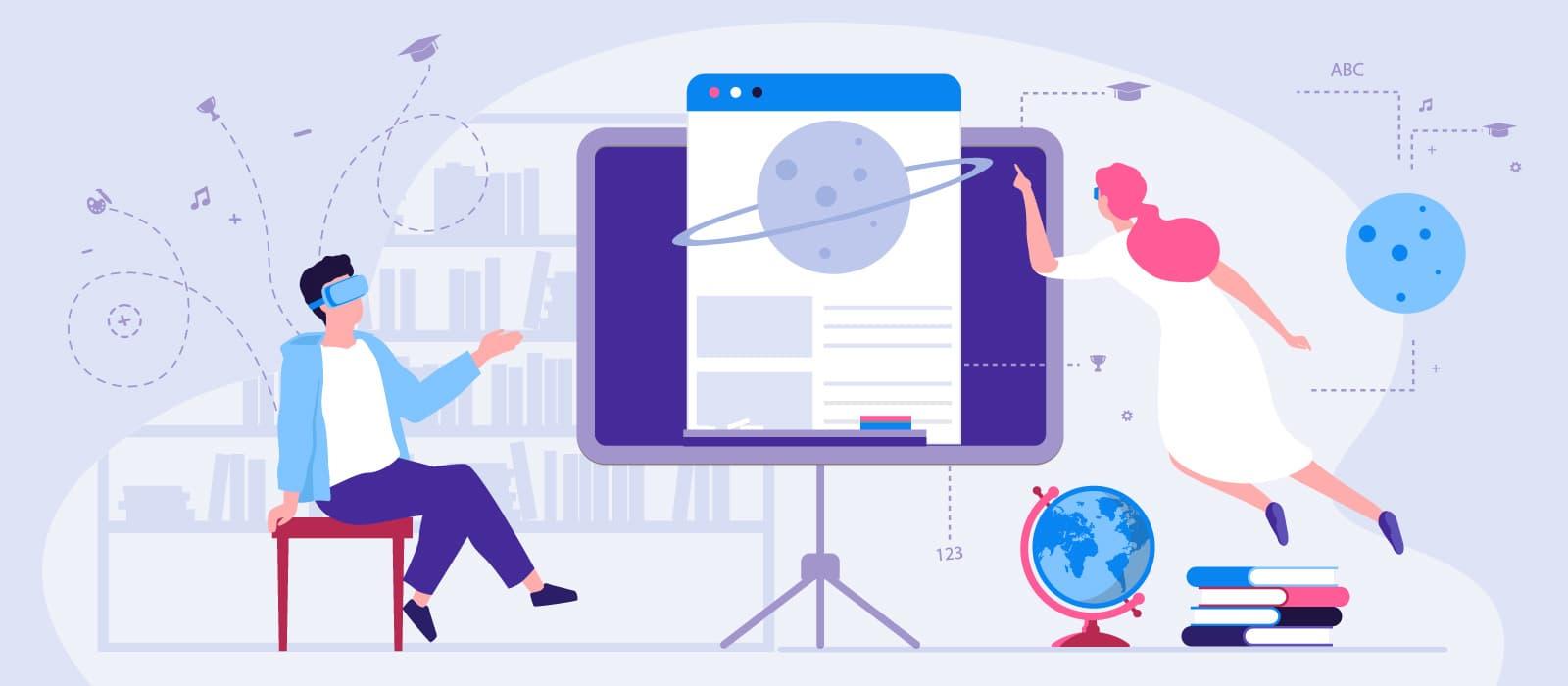
Evaluating the Effectiveness of VR/AR in Education: How Virtual and augmented Reality are Transforming Learning
Introduction: the Rise of VR and AR in Modern Education
The integration of Virtual Reality (VR) and Augmented Reality (AR) in education is more than a passing trend—it’s rapidly transforming how we teach and learn. As schools, universities, and corporate trainers embrace digital innovation, understanding the effectiveness of VR/AR in education becomes crucial. This article dives deep into the transformative power of these immersive technologies, providing insights into their benefits, real-world applications, challenges, and practical tips for educators.
What Makes VR and AR Effective in Education?
Both VR and AR unlock unique experiences that customary teaching methods can hardly match.Here’s why educators and students alike are turning to these innovations:
- Immersive Learning: VR allows students to “step inside” complex environments, whether it’s exploring ancient Rome or simulating chemical reactions.
- Interactive Engagement: AR overlays interactive elements onto the real world—think anatomy models or historical events—making abstract concepts tangible and memorable.
- Personalized Pacing: Learners progress at their own speed, repeating modules when necessary and engaging with content actively rather than passively.
- Improved Retention: Immersive experiences result in higher knowledge retention, as shown by multiple educational studies.
- safe Practice Spaces: Particularly in fields like medicine and engineering, VR/AR provide risk-free environments to master complex or hazardous skills.
Evaluating the Effectiveness of VR/AR in Learning
To evaluate whether virtual reality in education and augmented reality learning solutions deliver results, we need to look at several key measures:
1. Academic Performance
Numerous studies indicate that students exposed to VR/AR-based lessons perform better in exams, particularly in STEM subjects. For example:
- Medical students practicing surgeries in VR showed up to 230% improvements in performance compared to those with traditional methods.
- Elementary learners using AR for science lessons outscored peers by up to 30% in knowledge retention tests.
2.Engagement and Motivation
The gamified and hands-on nature of VR/AR tools fosters greater engagement. Students often report higher motivation and enthusiasm when learning with immersive technology, minimizing distractions and absenteeism.
3. Accessibility and inclusion
VR and AR technologies can be customized for special needs education—visual aids for visually impaired students, auditory cues, or interactive cues for students with learning difficulties, thereby promoting inclusive education.
4. Skill Progress beyond Textbooks
Virtual and augmented reality in education doesn’t just improve subject knowledge; it also enhances soft skills such as collaboration, decision-making, and problem-solving by simulating real-life scenarios.
Case Studies: VR/AR Transformations in the Classroom
Let’s look at some pioneering examples demonstrating the power and versatility of VR and AR in real educational settings:
1. Stanford University’s Virtual Human Interaction Lab
Stanford uses VR to study human empathy by allowing students to “experience” life events from another’s viewpoint, such as homelessness or visual impairment. the result? Dramatically enhanced empathetic understanding and increased social awareness.
2. Google Expeditions: Virtual Field Trips Around the World
This AR/VR tool brings global geography and history directly into classrooms, enabling students to visit the Great Wall of China or explore the depths of the oceans without leaving their seats.
3. AnatomyXR: Revolutionizing Medical Training
Medical universities worldwide are adopting XR solutions to teach anatomy through interactive, lifelike 3D models, leading to faster and more thorough learning outcomes among students.
First-Hand Experience: Voices from Educators and Learners
“I watched my students go from bored to totally engaged when we introduced AR-based science kits. They started asking deeper questions and collaborating more during lab sessions.” — Ms. Harper, 8th Grade Science Teacher
“Learning chemistry with VR goggles was like being inside the experiment. It made me finally understand reactions and bonds that looked confusing in textbooks.” — Alex, High School Student
Potential Challenges and Practical Tips for Implementation
Challenges to consider
- Cost: Initial setup for VR/AR devices and content can be expensive.
- Technical Barriers: Not all teachers and learners are tech-savvy; professional development is crucial.
- Content Availability: High-quality, curriculum-aligned VR/AR modules are still catching up with demand.
- Motion Sickness: Some students might experience discomfort during extended VR sessions.
Practical Tips for Schools and Educators
- Start Small: Pilot programs in one department before a school-wide rollout.
- Leverage Free resources: Platforms like Google Expeditions and Merge EDU offer low-cost entry points.
- Professional Development: Provide comprehensive training sessions and ongoing support for teachers.
- Gather Feedback: Regularly survey students and staff to fine-tune VR/AR experiences.
- Balance Tradition and Tech: Use immersive technology to complement—not entirely replace—traditional teaching.
The future of VR/AR in Education
The future of virtual and augmented reality in education looks promising.As hardware becomes more affordable and content libraries expand, integration will become increasingly seamless. Innovations such as haptic feedback, AI-driven adaptive learning, and extended reality (XR) classrooms promise to further improve both teaching effectiveness and student outcomes.
Additionally, remote learning applications will leverage VR/AR for truly interactive, borderless education—ensuring access for students anywhere in the world.
Conclusion: Embracing the Future of Learning
Evaluating the effectiveness of VR/AR in education reveals a landscape rich with promise and innovation. While challenges remain, the benefits—enhanced engagement, improved comprehension, and real-world skill development—are clear.Schools, colleges, and training centers adopting virtual and augmented reality in learning are preparing students for a dynamic, tech-driven world.
As we move forward, embracing immersive technology will be key to building classrooms that are not onyl effective, but also inspiring and inclusive.
Are you ready to step into the future of education?