
Explore the World Anywhere: How Virtual Field Trips Expand Classroom Learning
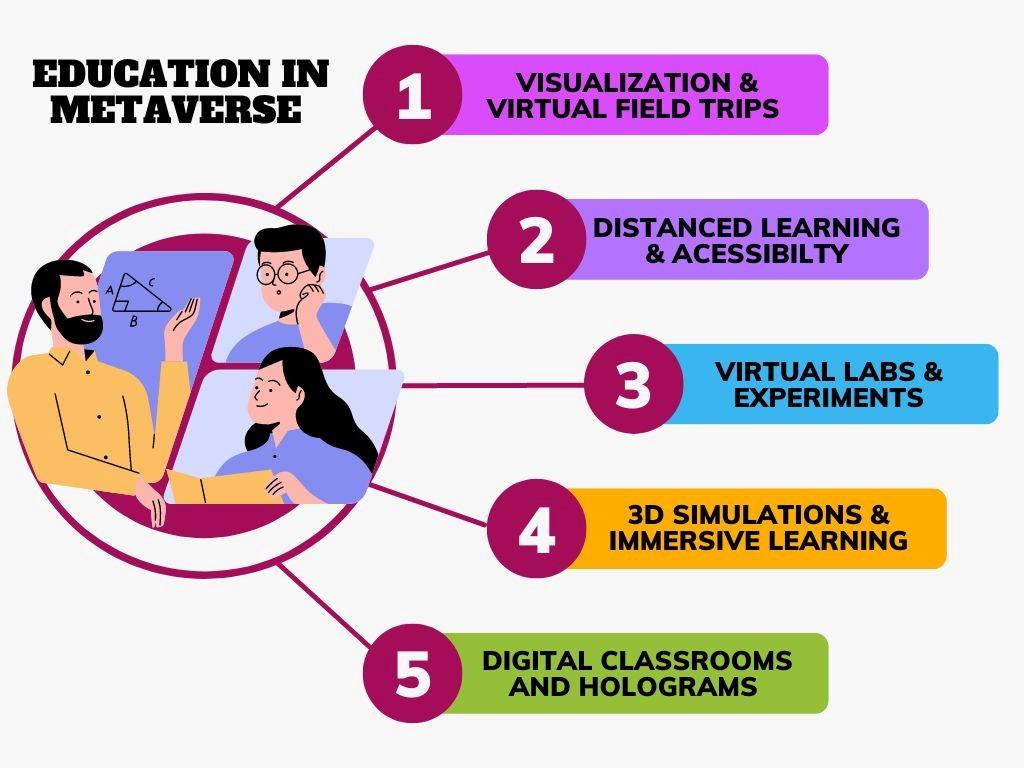
Virtual field trips are transforming traditional education by making global explorations possible without ever leaving the classroom. Leveraging the power of digital technology and interactive experiences, teachers and students now have unprecedented opportunities to engage with the world, irrespective of location or budget constraints. In this comprehensive guide, we’ll explore how virtual field trips expand classroom learning, examine their many benefits, and offer best practices to maximize their educational value.
What Are Virtual Field Trips?
A virtual field trip is an online educational experience that allows students and educators to visit locations,museums,historical landmarks,and more—right from the classroom. Through pre-recorded videos, live-streamed tours, interactive maps, and virtual reality (VR) experiences, classrooms can travel anywhere in the world, frequently enough accompanied by expert guides.
- Explore natural wonders like the Great Barrier Reef through 360-degree videos.
- Attend a live-streamed tour of the Louvre Museum in Paris.
- Interact with scientists at NASA via virtual workshops.
Virtual field trips bridge the gap between theory and experience, making learning richer and more memorable.
Top Benefits of Virtual Field Trips for Classroom Learning
Virtual field trips offer numerous educational, social, and economic advantages. Here’s why every school should consider integrating these experiences into their curriculum:
1. Accessibility and inclusivity
- Universal Access: Students from rural, urban, or underserved communities can explore the same global destinations.
- Inclusivity: Accommodations for students with disabilities are frequently enough easier to implement in digital environments.
2. Cost-Effective Solution
- No transportation, admission, or chaperone fees required.
- Many reputable resources are free or low-cost, making them accessible for most schools.
3. Enhanced Engagement
- Interactive elements such as live Q&As, polls, and AR/VR bring lessons to life.
- Visual and auditory experiences cater to multiple learning styles.
4. Curriculum Integration
- Virtual field trips can be aligned with lesson objectives in history,science,arts,geography,and more.
- Provide real-world context to theoretical concepts, deepening understanding.
5. Safety and Convenience
- eliminates safety and logistical concerns that come with traditional field trips.
- Flexible scheduling—visits can be scheduled for any day or time, optimizing lesson plans.
Popular platforms and Tools for Virtual Field Trips
There are several high-quality digital platforms enabling educators to take their students on unforgettable virtual journeys. Here are a few of the best:
- Google Arts & Culture: Offers virtual tours of museums, landmarks, and galleries worldwide.
- Finding Education: Provides interactive learning experiences and live virtual events.
- Smithsonian Learning Lab: Access to digital collections and online exhibitions from the Smithsonian museums.
- National Geographic Explorer Classroom: Connects students with scientists and explorers for live Q&A sessions.
- ZeeMaps and Google Earth: Enables classrooms to explore the globe through interactive maps and create customized tours.
many of these tools are designed with educators in mind, offering lesson plans, activities, and support to integrate virtual field trips into existing curriculums.
Best Practices for Implementing Virtual Field Trips
To fully harness the educational potential of virtual field trips, educators should follow these practical tips:
- Align Trips with learning Objectives: Choose locations and experiences that reinforce key curriculum topics and goals.
- Prepare Students in Advance: Provide background data and questions for students to consider during the trip.
- Encourage Active Participation: Engage students with interactive features, discussions, and collaborative projects.
- Reflect and Assess: After the trip, facilitate discussions and assignments to reinforce learning and connect concepts.
- Ensure Accessibility: Select platforms that are user-amiable and accessible to all students, regardless of ability or technological resources.
Real-World Examples: Virtual Field Trips in Action
Case Study 1: Exploring Ancient Egypt
Mrs. Gonzalez, a 6th-grade social studies teacher, used a Smithsonian virtual tour to guide her class through the pyramids of Giza. Students navigated 3D models,watched expert interviews,and completed worksheets about Egyptian culture and engineering. Engagement soared as students could viscerally “walk through” historical sites discussed in their textbooks.
Case Study 2: Science Lessons from the Rainforest
A middle school science team partnered with National Geographic explorer classroom, letting students participate in a live call with a biologist in the Amazon rainforest. Learners asked questions and observed real-time scientific research, making the lesson immersive and memorable.
First-Hand Teacher Testimonial
“Virtual field trips have become a cornerstone of my teaching strategy. The opportunity to interact with experts and explore the world without the limitations of cost or geography has ignited my students’ curiosity in ways traditional lessons could not.” — Mark D., 5th Grade Teacher
Overcoming Challenges in Virtual Field Trips
While virtual field trips offer many advantages, educators may encounter some obstacles that can be addressed with thoughtful planning:
- Technology Access: Not all students may have reliable devices or internet. Schools can provide loaner devices or encourage community support where possible.
- Student Engagement: Incorporate multimedia, interactive activities, and group discussions to keep learners focused and involved.
- Digital Literacy: Offer brief tutorials on using the virtual tools before the trip, and provide ongoing support.
The Future of Virtual Field Trips in Education
As technology continues to advance, the possibilities for immersive virtual field trips will only grow. Innovations in AR, VR, and AI are making these experiences even more realistic and personalized. In the future, students may collaborate with peers worldwide in real time, use AI-driven guides, or even create their own virtual tours—making global exploration an everyday part of education.