
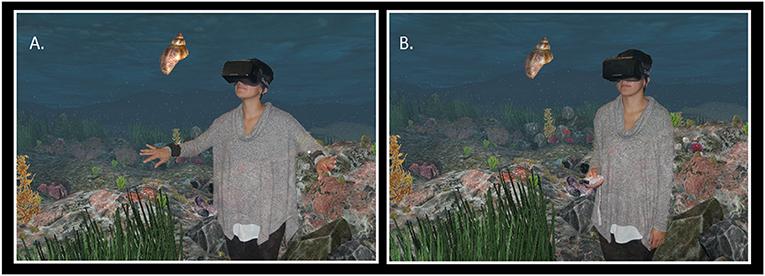
Explore the World from Class: How virtual Field Trips Expand Student Horizons
In today’s ever-evolving digital landscape, virtual field trips have emerged as a powerful tool for educators striving to connect classroom learning with real-world experiences. No longer bounded by location, time, or budget, students can now explore the world from class, embarking on immersive journeys across continents, cultures, and fields of study.
This thorough guide will delve into how virtual field trips are transforming education,offering practical insights,benefits,case studies,and actionable tips to help teachers maximize this innovative resource.
What Are Virtual Field Trips?
A virtual field trip is an interactive online experience designed to transport students outside the classroom without leaving their seats. These digital excursions leverage technologies such as live streaming, virtual reality, and multimedia presentations, enabling students to visit museums, ancient landmarks, wildlife habitats, and more—all from the safety and comfort of their learning habitat.
Unlike customary field trips, virtual field trips are highly accessible, scalable, and customizable to meet diverse educational needs.Whether using platforms like Google Expeditions, Finding Education, or custom-created journeys, teachers can ensure every student is engaged and inspired.
The Benefits of Virtual Field Trips for students
The advantages of virtual field trips go far beyond mere convenience. They serve as catalysts for curiosity, critical thinking, and cultural awareness. Here’s how they expand student horizons:
- accessibility for All: Every student, nonetheless of physical location or financial constraints, can participate and benefit.
- Global Perspective: Students explore cultures, geographical sites, and world events firsthand, fostering a global mindset.
- Enhanced Engagement: interactive features—such as Q&A sessions, live chats, and gamified activities—keep students motivated and involved.
- Safety and Convenience: teachers sidestep logistical challenges, ensuring safety and optimal use of instructional time.
- Encourages Self-reliant Learning: Students can research further after the trip, deepening their understanding through self-guided exploration.
Popular Virtual Field Trip Destinations
Across the globe, countless organizations offer online tours and educational experiences tailored for students. Some top virtual field trip destinations include:
- Smithsonian National Museum of Natural History: Offers interactive exhibits and 360-degree tours of world-class collections.
- The Louvre: Students can virtually tour famed galleries and ancient artifacts in Paris.
- NASA: Space-focused excursions teach students about the universe, rocket launches, and astronaut life.
- National Geographic: Brings habitats, wildlife expeditions, and eco-themed adventures directly to the classroom.
- Google Arts & Culture: Tours spanning art, history, monuments, and more from around the globe.
How Virtual Field Trips Enhance Learning Outcomes
Implementing virtual field trips enhances academic achievement by complementing classroom instruction and making abstract concepts tangible. Here’s how:
- Connects Theory to Practise: Students see curriculum come alive in real-world scenarios, improving retention and understanding.
- Social and Emotional Growth: Exposes students to diverse perspectives and lifestyles, fostering empathy and tolerance.
- Promotes Collaborative Work: Many platforms integrate group activities, encouraging teamwork and problem-solving.
- Integration Across Subjects: Teachers can design interdisciplinary lessons encompassing science, history, language arts, and more.
First-Hand Experience: Educator Insights
“Our fifth-grade science class visited the Great Barrier Reef virtually through an interactive tour. Students were able to ask questions live, observe marine ecosystems in action, and complete digital scavenger hunts. Engagement skyrocketed, and even the most reserved students participated enthusiastically. The depth of learning exceeded all expectations,far more than a textbook could ever offer.”
– ms. Rodriguez, Elementary Teacher, California
student Testimonials
- “We explored the pyramids of Egypt without leaving school. It made history much more real and exciting!”
- “NASA’s virtual field trip inspired me to learn more about space and become an astronaut one day!”
Tips for Making Virtual Field Trips Effective
To make the most of virtual field trips in the classroom, consider these practical strategies:
- Choose Trips Relevant to your Curriculum: Select experiences that align with lesson objectives to reinforce learning.
- Prepare Students in Advance: Share background materials, set expectations, and allow questions beforehand.
- Facilitate Active Participation: Utilize polls, breakout discussions, challenges, and Q&A sessions.
- Integrate Technology Seamlessly: Ensure devices and internet connections are ready, and familiarize students with platform features.
- Assign follow-Up Activities: Encourage reflection, research, or creative projects after the trip to deepen learning.
- Gather Feedback: ask students for input about what worked and what didn’t, to improve future experiences.
Case Study: Virtual Field Trips During Remote Learning
During the COVID-19 pandemic, virtual field trips became invaluable. Here’s how one district leveraged them:
- Situation: Unable to hold traditional outdoor activities, the district introduced monthly virtual excursions.
- Execution: Teachers collaborated, creating themed experiences—such as “Exploring Rainforests” and “Behind the Scenes at the Metropolitan Opera.”
- Impact: Attendance, participation, and enthusiasm increased, with students reporting higher satisfaction and curiosity in post-trip surveys.
Administrators noted improved cross-discipline learning,stronger classroom community,and students acquiring essential digital literacy for future academic and career pursuits.
Integrating Virtual Field Trips with WordPress CSS Styling
If you’re a teacher or administrator sharing virtual field trip content on your WordPress website, consider these simple CSS styling tips for enhanced readability and engagement:
- Use
.highlightclasses: draw attention to key points and actionable tips with colored backgrounds. - employ
.calloutboxes: Feature student/teacher testimonials or vital updates. - Bullet Point Lists: Break up content to make information digestible and easy to scan.
Example:
.highlight {

    background-color: #f0f8ff;

    padding: 10px;

    border-radius: 6px;

}

.callout {

    border-left: 4px solid #008cba;

    background: #eef6fb;

    padding: 12px;

    margin: 16px 0;

}
Conclusion: Start Exploring Today!
Incorporating virtual field trips into your teaching practice opens new doors, enriching student learning and helping inquisitive minds explore the world from class. As technology continues to evolve, the opportunities for immersive, accessible, and engaging learning will only expand.
Ready to embark on your next adventure? Begin by choosing a virtual destination, preparing your students, and watching as their horizons broaden—one click at a time. Virtual field trips are more than a solution to logistical limitations; they are a portal to curiosity,understanding,and lifelong learning.
Explore more: For guides, recommendations, and resources to implement virtual field trips, stay tuned to our blog or subscribe for updates!