
Explore the World from School: How Virtual Field Trips Expand Classroom Horizons
Imagine students marveling at the pyramids of Egypt, exploring the Amazon rainforest, or walking through the halls of the Louvre—all without ever leaving their classroom. thanks to virtual field trips, this is no longer a futuristic fantasy but a vibrant reality in modern education. In this article, we delve into how virtual field trips expand classroom horizons, providing students with immersive learning experiences and connecting them to the world in unprecedented ways.
What Are Virtual Field Trips?
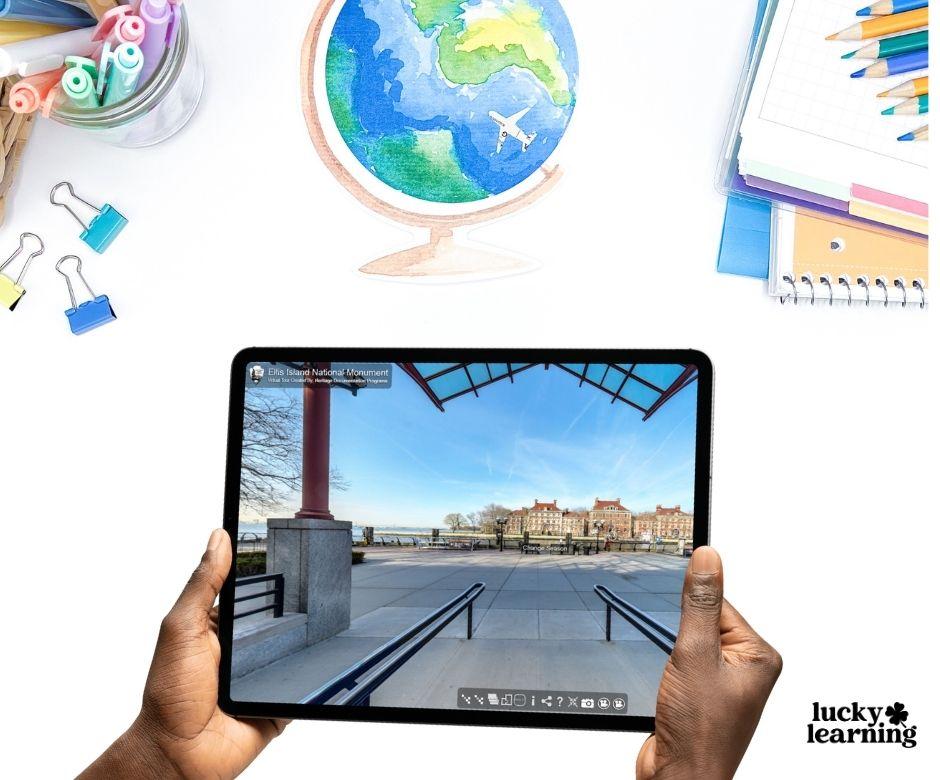
A virtual field trip is a guided exploration of a distant location or an experience, delivered via digital technology such as live video, pre-recorded tours, 360-degree videos, or interactive virtual reality (VR). These virtual experiences transport students beyond classroom walls, allowing them to visit museums, past sites, national parks, and even travel through space, all with the help of a computer or tablet.
- Live Virtual Tours: Real-time video calls with experts or guides at remote locations.
- Pre-Recorded Excursions: Curated video content with commentary, quizzes, and activities.
- Interactive VR Experiences: immersive tours using VR headsets or apps for a 3D experience.
Benefits of Virtual Field Trips for Classrooms
Integrating virtual field trips into the curriculum is transforming education. Here are the key advantages:
- Accessibility: Virtual tours break down barriers of distance, cost, and time. Every student,regardless of location or background,can join.
- Enhanced Student Engagement: Interactive visuals, real-time Q&A with experts, and gamified experiences keep students motivated and curious.
- Curriculum Enrichment: Teachers can align tours with lesson objectives, whether it’s touching fossils in a museum or observing climate change in the Arctic.
- Cross-Curricular Learning: Virtual field trips frequently enough blend multiple subjects—history, science, geography, and even art—offering a holistic educational approach.
- Safe and Inclusive: Students with health, mobility, or other restrictions can join without concerns, ensuring equity in learning opportunities.
- Cost-Effective: Schools save on transportation and logistical expenses, making field trips possible even in tight budgets.
bringing the World to Yoru Classroom: Popular Types of Virtual Field Trips
The variety of virtual field trips for schools is constantly expanding. Explore these popular options:
- Natural Wonders: Visit the Great Barrier reef, Yosemite National Park, or the Galapagos Islands with guided scientist commentary.
- Museums & Cultural Heritage: Explore the British Museum, Smithsonian, Louvre, or even ancient ruins with curated digital tours.
- Space Exploration: Take a trip to NASA’s facilities,observe Mars rovers,or join virtual launches.
- Historical Landmarks: Tour the ancient city of Rome, the Great Wall of China, or the pyramids of giza.
- STEM Labs: Experience virtual experiments,science labs,or behind-the-scenes at tech companies.
“Virtual field trips have made my science classes come alive, letting students explore habitats and ecosystems we could never see in person.”—Ms. Johnson, 6th Grade Teacher
How to Organize a Virtual Field Trip: Practical Tips for Teachers
Ready to plan your own virtual excursion? Here’s a step-by-step guide to ensure a smooth and enriching experience:
- Identify Learning Goals: Select a virtual trip that aligns with your curriculum and engages student interests.
-
Research Providers:
choose reputable services like:
- Google Arts & Culture
- Discovery Education
- Mystery Science
- Museum or park official websites
- Test Technology: Ensure all devices, audio, and internet connections are working ahead of time. Download necessary apps or plugins.
- Prepare Students: Set expectations, provide background details, and discuss objectives to spark curiosity.
- Engage During the Trip: Encourage questions, discussions, and hands-on activities.Many virtual trips offer interactive elements.
- Recap & Reflect: Debrief with the class, asking students to share observations and connect the experience to their learning.
Pro tip: Many virtual trips are available on-demand, allowing flexibility across classroom schedules and grade levels.
Case Studies: Real Schools, Real Impact
Case Study 1: Opening Doors with Virtual Museums
At Lincoln Elementary in Illinois, 4th graders “visited” the Smithsonian via Zoom, engaging with curators and viewing historical artifacts. Through a live Q&A, students asked questions directly to museum staff, deepening their understanding of American history.
Case Study 2: Science Comes Alive with Virtual Safaris
In Texas, a middle school integrated virtual safaris in Africa into their biology curriculum. Students observed live animal behavior, took notes, and later created their own habitat projects, inspired by real-world footage.
Case Study 3: Collaborating Beyond Borders
A high school in California partnered with a school in Japan for a joint virtual field trip exploring customary art. Students shared presentations and participated in cultural exchanges,fostering global awareness and friendships.
First-Hand Teacher Experience: Transformative Learning Moments
“Our virtual field trip to NASA ignited a passion for space exploration in my students. They were able to interact with an engineer, ask questions, and see real spacecraft—all from our library. The excitement and learning lasted long after the trip was over.”
— Mr. Ramirez,5th Grade Teacher
Teachers consistently report increased student engagement,improved digital literacy skills,and a deeper sense of connection to classroom lessons thanks to virtual field trips.
Top Resources for Virtual Field Trips
Explore these trusted platforms for the best virtual classroom adventures:
- Google Arts & Culture
- Discovery Education
- mystery Science
- Smithsonian Virtual Tours
- NASA Virtual Tours
- Zoos Victoria Virtual Excursions
Conclusion: A New Era of Connected learning
Virtual field trips are more than just a response to logistical challenges—they represent a paradigm shift towards connected, interactive, and accessible education. By expanding classroom horizons through virtual experiences, educators are empowering students to become curious, knowledgeable, and empathetic global citizens. The world is now just a click away—so why not start exploring?