
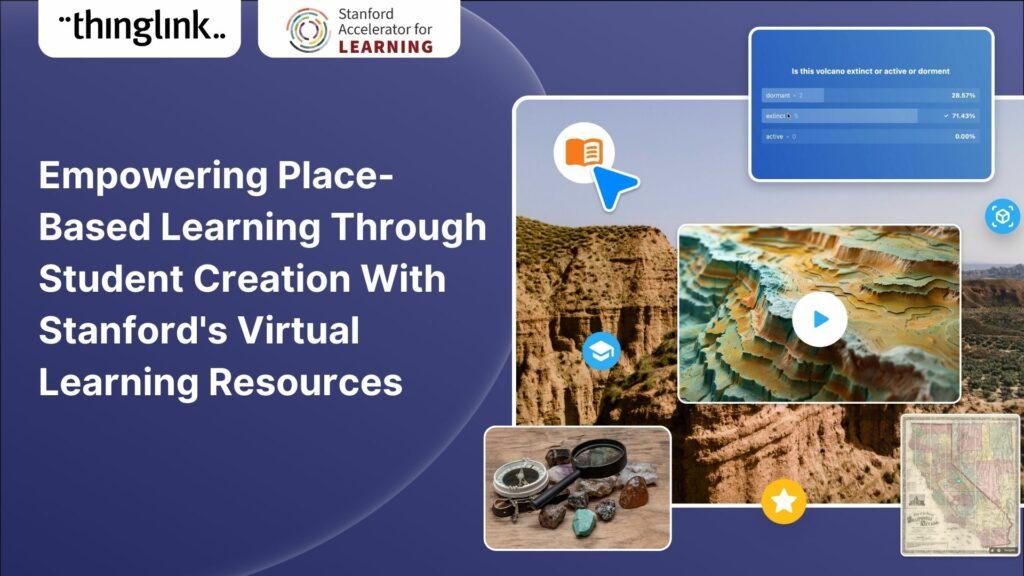
Explore the World from school: how Virtual Field Trips Expand Classroom Learning
In a world where digital innovation is transforming education, virtual field trips have emerged as a powerful way to enrich classroom learning. With just a computer and an internet connection,students can now explore the world from school—visiting global landmarks,historic museums,vibrant ecosystems,and even space—all without leaving their classroom chairs. In this article, we explore how virtual field trips are revolutionizing education, discuss their myriad benefits, share practical tips for teachers, and showcase real-life examples that bring these digital adventures to life.
What Are Virtual Field Trips?
Virtual field trips are guided online explorations that take students beyond the conventional classroom. Using technologies such as video conferencing, 360-degree video, interactive maps, and rich multimedia resources, these trips simulate the experience of visiting cultural, scientific, or past sites worldwide.
Popular platforms like Google Expeditions, Revelation Education, and the Smithsonian National Museum offer immersive experiences that make global learning more accessible than ever before.
Benefits of Virtual Field Trips in Classroom Learning
- Increases Accessibility: Visiting iconic sites like the Louvre or the Great Barrier Reef is no longer limited by budget or location. Virtual field trips open up global exploration for every student, including those in remote or underserved communities.
- Enhances Engagement: Interactive elements,live Q&A sessions,and multimedia content captivate students’ attention far more than traditional lectures or textbooks.
- Supports Diverse Learners: Differentiated content,adjustable pacing,and visual aids make learning inclusive for students with varying abilities and learning styles.
- Encourages Critical Thinking: Experiencing real-world scenarios helps students develop inquiry skills as they ask questions and build connections between classroom concepts and global events.
- Fosters Global Citizenship: Exposure to different cultures, histories, and environments inspires curiosity and empathy, preparing students for a connected world.
- Saves Time and Resources: No need for permission slips, bus rentals, or meals—virtual field trips are cost-effective and easy to organize.
Popular Types of Virtual Field Trips
Virtual field trips can be customized to suit any curriculum and can cover a vast range of subjects. Some popular options include:
- science: Explore volcanoes, oceans, planetary systems, and leading research labs using real-time footage and AR simulations.
- History: Visit ancient civilizations, national monuments, or take a walk-through major moments in world history.
- Art and Culture: Tour world-class museums, art galleries, and music halls, or discover unique cultural festivals and traditions from across the globe.
- Geography: Traverse biomes, follow migratory paths, or study natural disasters and their impact.
- STEM and Innovation: View behind-the-scenes at tech companies, engineering marvels, and interactive maker spaces.
How to Integrate Virtual Field trips into Your Curriculum
To maximize the impact of virtual field trips, teachers should follow these practical steps:
- Define Learning Objectives: Start with clear educational goals and choose destinations that align with your curriculum.
- Choose the Right Platform: Research platforms that offer high-quality virtual tours, such as Google Arts & Culture, discovery Education Virtual Field Trips, or subject-specific museum websites.
- Prepare Your Students: Share background details, vocabulary, and guiding questions ahead of the virtual visit.
- Facilitate Active Participation: Encourage students to ask questions, take notes, and interact with any live hosts or digital features.
- Reflect and Deepen Learning: Assign follow-up projects, group discussions, or creative tasks related to the trip.
Case Studies: virtual Field Trips in action
1. Exploring Space with NASA
A middle school science class in Texas participated in a virtual field trip to NASA’s Johnson Space Center. Through live-streamed tours, interactive Q&A sessions with astronauts, and 360-degree videos of the International Space Station, students were able to witness the realities of space research and explore STEM careers.
2.Virtual Museum Tours for Art Appreciation
In New York, a group of high school students took a virtual tour of the Museum of Modern Art (MoMA). Using Google Arts & Culture, students explored exhibitions, discussed techniques with art curators over an online call, and created their own digital portfolios inspired by modern art.
3. Underwater Ecosystems with National Geographic
An elementary school in australia incorporated a National Geographic virtual field trip to the Great Barrier Reef.Guided by marine biologists, students participated in virtual dives, learned about coral conservation, and shared their discoveries during a class sustainability project.
First-Hand Experience: A Teacher’s Perspective
Ms.Thompson, a fifth-grade teacher from Illinois, shared her thoughts on virtual field trips:
“Our first virtual field trip was a journey through the ancient pyramids of Egypt. The students were fascinated—they asked more questions than ever before and wanted to dig deeper into the topic. I noticed even my reluctant learners were eager to participate. The interactive elements made it feel real, and the discussions afterwards were much richer. Virtual field trips have truly transformed our classroom!”
Best Practices for Accomplished virtual Field Trips
- Test All Technology: Check devices, internet connections, and access permissions before the field trip begins.
- Foster Collaboration: pair students for group tasks, live polls, or shared presentations to enhance engagement.
- Integrate Assessment: Use quizzes, digital journals, or creative presentations to assess learning outcomes.
- Solicit Feedback: Ask students for input on what they enjoyed and how future trips can be improved.
- Adapt to Needs: Offer differentiated resources to cater for students with disabilities or those requiring extra support.
Recommended Resources for Virtual Field Trips
- Explore.org Live Cams – Live animal and nature cameras worldwide.
- Google Arts & Culture – Access art collections, landmarks, and virtual tours.
- National Geographic Virtual Field Trips
- Smithsonian Virtual Museum Tours
- Discovery Education Virtual field Trips
Conclusion: Transforming Education with Virtual Field Trips
The rise of virtual field trips has redefined what’s possible in the world of education. By providing opportunities to explore the world from school,these immersive experiences offer teachers and students the chance to bring learning to life—breaking down barriers,igniting curiosity,and fostering a love of discovery that lasts a lifetime. As digital platforms continue to evolve,the onyl limit to where students can go is their imagination. Embrace the journey and let every lesson become an adventure.